
When sourcing fabrics internationally, one technical factor significantly affects quality, comfort, and performance: GSM (Grams per Square Meter).
Understanding GSM helps buyers select the right fabric for their specific market, whether for summer clothing, luxury fashion, or heavy-duty garments.
Therefore, this guide explains fabric weight clearly, helping international buyers choose the correct GSM for linen, cotton, silk, and sustainable fabrics.
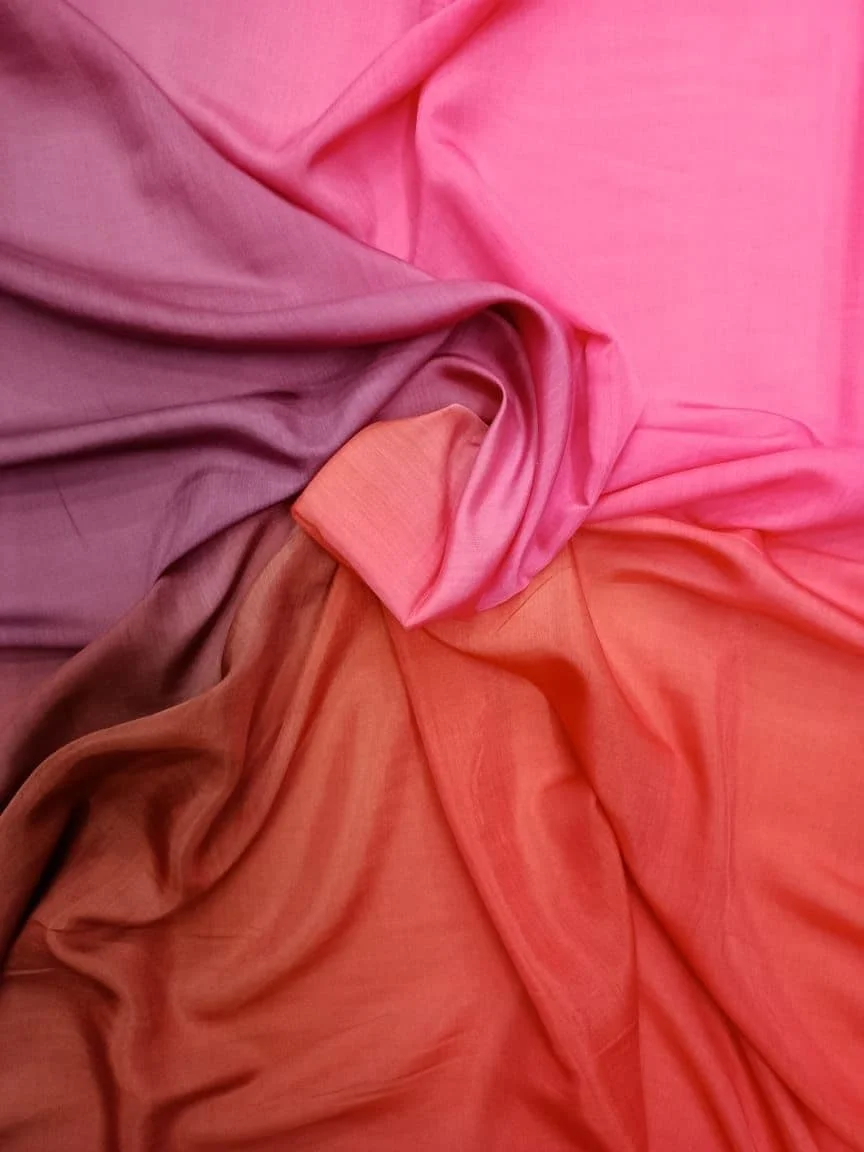
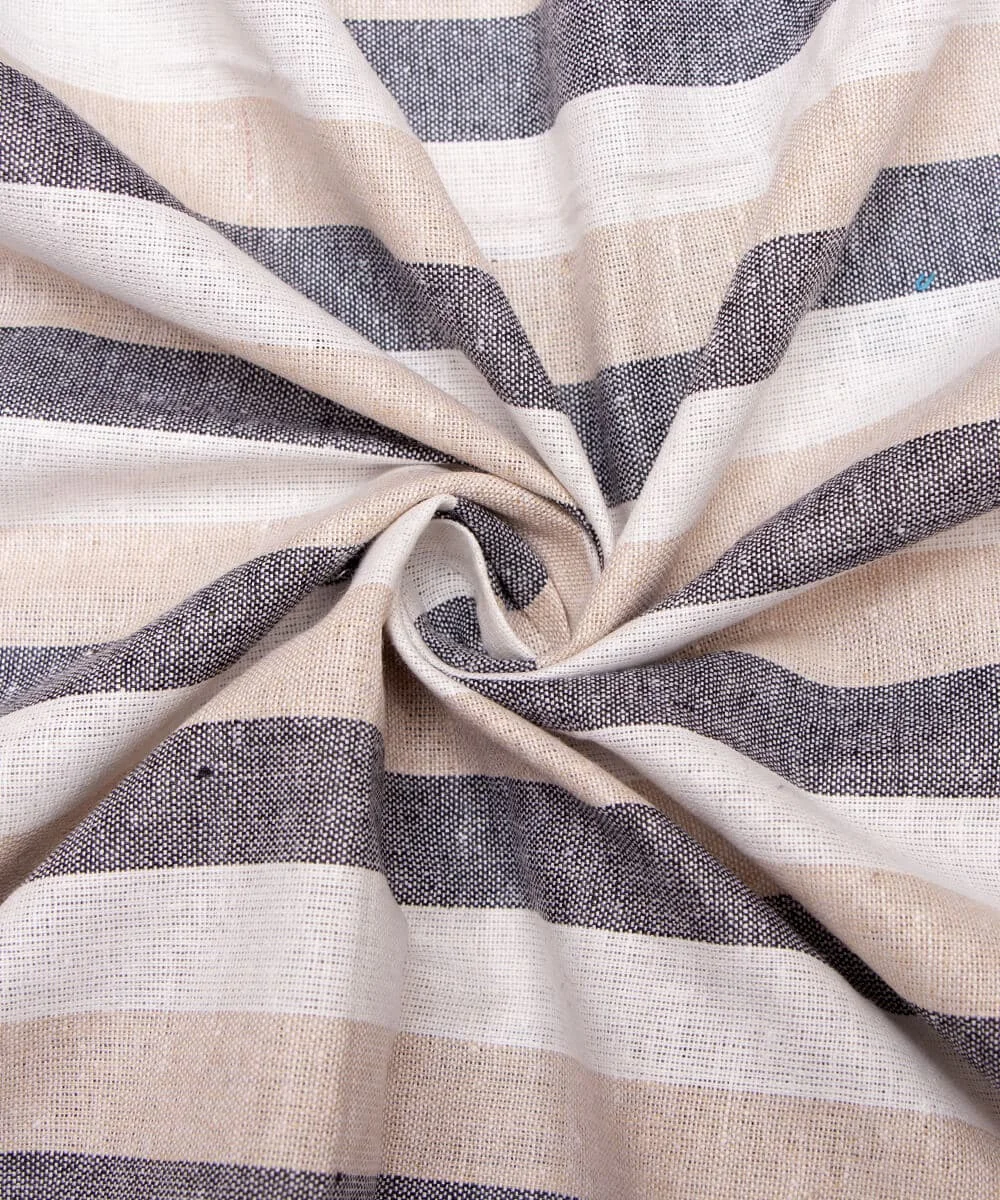
🧵 What Is GSM in Fabric?
GSM stands for Grams per Square Meter, which measures fabric weight.
Simply put:
- Lower GSM = lighter fabric
- Higher GSM = heavier fabric
Because GSM affects durability, drape, breathability, and comfort, it plays a crucial role in fabric selection.
🌿 Why GSM Matters for International Buyers
Choosing the wrong GSM can result in:
- Poor garment performance
- Customer dissatisfaction
- Incorrect seasonal suitability
- Reduced retail acceptance
Therefore, selecting appropriate GSM improves product success.
🌍 Recommended GSM for Different Fabric Types
Linen Fabric GSM Guide
| Application | Recommended GSM |
|---|---|
| Lightweight summer wear | 120–160 GSM |
| Dresses & shirts | 150–200 GSM |
| Premium garments | 180–240 GSM |
European and Australian brands often prefer 150–190 GSM linen.
Cotton Fabric GSM Guide
| Application | Recommended GSM |
|---|---|
| Lightweight clothing | 100–140 GSM |
| Standard apparel | 140–180 GSM |
| Heavy garments | 180–250 GSM |
Cotton GSM depends on garment type and climate.
Silk Fabric GSM Guide
| Silk Type | Typical GSM |
|---|---|
| Organza Silk | 40–80 GSM |
| Tussar Silk | 40–80 GSM |
| Ghicha Silk | 60–100 GSM |
| Raw Silk | 40–80 GSM |
Silk GSM impacts drape, luxury feel, and structure.
Sustainable Fabrics GSM Guide
| Fabric | Typical GSM |
|---|---|
| Khadi Jute | 100–250 GSM |
| Banana Silk | 90–180 GSM |
| Linen blends | 140–220 GSM |
These fabrics are popular among sustainable fashion brands.
🌎 Insight: GSM Preferences by Market
Different markets prefer different GSM levels:
- Europe: medium-weight linen and silk
- USA: wide GSM range depending on fashion segment
- Australia: lightweight breathable fabrics
- Gulf countries: lightweight cotton and linen
- Canada: medium to heavy GSM fabrics
Therefore, understanding target market helps determine correct GSM.
📦 GSM and Fabric Export Quality
Professional exporters always provide GSM specifications.
Buyers should request:
- GSM tolerance range
- Fabric composition
- Sample verification
👉 Read:
Fabric Sourcing from India Explained: Quality, Compliance, MOQ & Lead Time
❓ Frequently Asked Questions
What GSM is best for summer fabrics?
100–160 GSM is ideal for summer clothing.
Is higher GSM always better?
Not necessarily. Higher GSM increases durability but reduces breathability.
How do buyers verify GSM?
Through lab testing or supplier-provided specifications.
🤝 Why Global Buyers Trust Weaveify for Accurate GSM Fabrics
At Weaveify, we provide precise GSM-controlled fabrics including:
- Linen
- Cotton
- Slub
- Khadi Jute
- Banana Silk
- Tussar, Muga, Ghicha Silk
- Chanderi, Organza & Raw Silk
- Digital printed & embroidered fabrics
We ensure:
✔ Accurate GSM specification
✔ Sample verification
✔ Export quality control
✔ Compliance support
✔ Flexible MOQ
👉 Contact Weaveify
👉 Fabrics Weaveify
🔗 External Reference
🎯 Featured Snippet Answer
What is GSM in fabric and why does it matter?
GSM measures fabric weight and determines thickness, durability, and suitability for different applications. Choosing the correct GSM ensures better performance, comfort, and market acceptance.
Pingback: Complete Guide to Linen Fabric for Apparel Manufacturing
Pingback: Complete Guide To Cotton Fabric For Apparel Manufacturing
Pingback: What Is Muga Silk Fabric? Uses, Characteristics & Buyer Guide
Pingback: What Is Tussar Silk Fabric? Uses, Characteristics & Buyer Guide
Pingback: What Is Ghicha Silk Fabric? Uses, Characteristics & Buyer Guide
Pingback: What Is Organza Silk Fabric? Uses, Characteristics & Buyer Guide
Pingback: What Is Chanderi Silk Fabric? Uses, Characteristics & Buyer Guide
Pingback: What Is Raw Silk Fabric? Uses, Characteristics & Buyer Guide