
What Is Muga Silk Fabric? Uses, Characteristics and a Practical Buyer Guide
Muga silk is one of India's most distinctive heritage silks. Recognised for its naturally warm golden tone, it is closely associated with Assam and valued in traditional textiles as well as selected premium fashion collections.
For a designer or fabric buyer, however, the appeal is only one part of the decision. Composition, yarn quality, weave, weight, finish, authenticity, care and sourcing documentation all matter. This guide explains Muga silk in practical terms for apparel brands, garment manufacturers, importers, wholesalers and sourcing teams.
1. What Is Muga Silk Fabric?
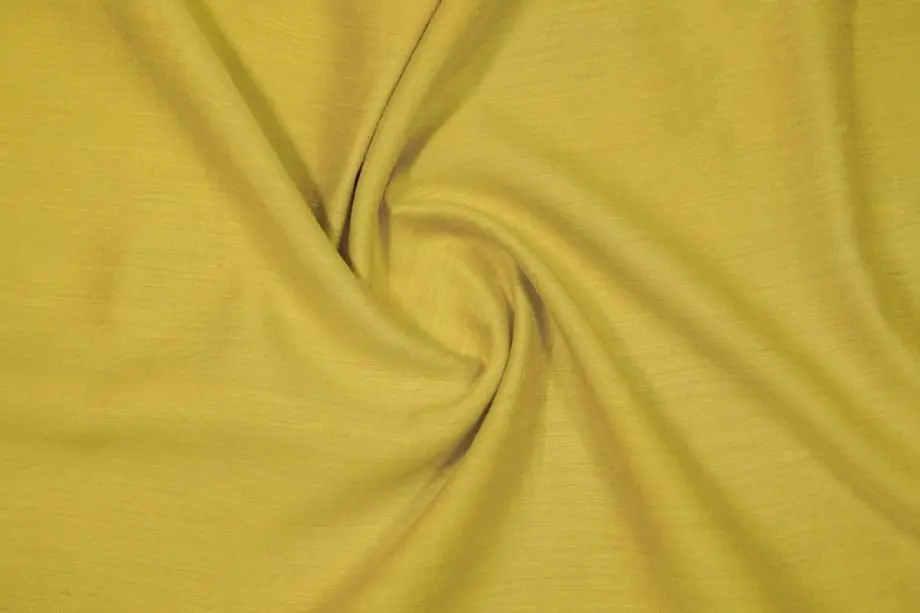
Muga silk is a rare, naturally golden silk traditionally produced in Assam, in Northeast India. It comes from the silkworm species Antheraea assamensis, which is associated with the region's sericulture tradition. The silk is valued for its distinctive colour, lustre and cultural significance.
The natural golden appearance is a characteristic of the fibre and can vary from a soft yellow-gold to a deeper honey-like shade. The final appearance also depends on yarn preparation, weaving, finishing, storage and exposure to light.
Muga silk is used in traditional Assamese textiles and can also be developed for premium apparel and accessories. As with any speciality textile, buyers should verify that the product being offered is genuinely Muga silk and obtain a clear description of its composition and construction.
2. Where Does Muga Silk Come From?
Muga silk is closely connected with Assam's traditional sericulture and weaving heritage. The Muga silkworm is reared in the region, where its lifecycle is influenced by host plants, climate, seasonal conditions and local rearing practices.
After cocoon production, silk is processed into yarn and woven into fabric. The skill involved in rearing, reeling, yarn preparation and weaving contributes to the textile's heritage value. Production conditions and yields can vary, which is one reason genuine Muga silk is a specialised material rather than a commodity fabric.
When sourcing, ask where the silk was produced, where it was woven, and what evidence supports any origin, authenticity or geographical-indication claim. A seller's location alone does not establish the origin of the fibre.
3. Key Characteristics of Muga Silk Fabric
Naturally golden appearance
The warm golden tone is Muga silk's best-known visual feature. Natural shades are not necessarily identical across yarn lots, so colour variation should be assessed against an approved reference.
Distinctive lustre
Muga silk has a characteristic sheen that can look rich without appearing identical to highly reflective commercial filament fabrics. Lustre varies with yarn, weave and finishing.
Strength and wear performance
Muga silk is traditionally valued for its strength and longevity. Actual garment performance still depends on yarn quality, fabric construction, finishing, handling and care. Buyers should test the finished fabric rather than assume every quality has the same durability.
Firm yet workable hand
Depending on construction, Muga silk may have body and structure while retaining a textile drape. Some qualities feel crisp; others may be softer after finishing.
Natural variation
Shade, texture and surface character can vary naturally. Agree on acceptable tolerances before bulk production, especially when a collection requires matching pieces or repeat orders.
Premium and heritage positioning
Its regional association and distinctive appearance make Muga silk relevant to heritage-inspired and premium collections. Commercial positioning should be supported by genuine material information and accurate origin claims.
4. How Is Muga Silk Produced?
Production involves several linked stages. Exact practices can vary between producers and processing units.
- Silkworm rearing: Muga silkworms are reared under conditions suited to the species and its host plants.
- Cocoon formation: The silkworm spins a cocoon containing the silk filament.
- Cocoon handling: Harvesting and preparation are carried out for subsequent silk processing.
- Reeling: Filaments are extracted and combined into silk yarn using an appropriate reeling process.
- Yarn preparation: Yarn may be prepared, conditioned or processed according to the required weaving quality.
- Weaving: The yarn is woven into the required fabric construction.
- Finishing: Fabric may be cleaned, softened, pressed or otherwise finished to meet the intended specification.
Buyers should ask whether a quoted product is handwoven or machine-woven, and request the relevant construction details. “Muga silk” alone does not specify the weaving method or finished fabric performance.
5. Uses of Muga Silk in Apparel and Fashion
Muga silk's colour, lustre and heritage association make it suitable for carefully selected premium applications. The best use depends on the fabric weight, width, drape, construction and design requirements.
Traditional garments
Muga silk has a strong place in Assamese traditional attire and ceremonial textiles. Sarees and other heritage garments often showcase its natural colour and distinctive surface.
Designer dresses and premium separates
Depending on the construction, Muga silk can be considered for dresses, tunics, tops and coordinated separates. Pattern makers should evaluate drape, opacity, seam behaviour and comfort before approving a design.
Jackets and structured garments
Qualities with sufficient body may work for jackets, waistcoats or structured overlays. Test interfacing, seam allowances and movement to avoid unwanted stiffness or distortion.
Dupattas, stoles and scarves
Selected lightweight constructions can be developed into accessories where colour and surface are central to the design. Confirm finished width, edge treatment and handling requirements.
Limited-edition and occasion collections
Muga silk can be used as a distinctive material in small premium collections. Brands should plan sourcing and sampling carefully because availability, price and repeat-lot matching may differ from standard silk fabrics.

6. Muga Silk GSM and Fabric Weight
GSM means grams per square metre. It measures fabric mass, not quality by itself. Drape, opacity, stiffness and comfort also depend on yarn size, weave density, finishing and construction.
The original article provides indicative weight bands for apparel. These should be treated as starting points for development, not as fixed industry standards or a guarantee that every Muga quality is available at those weights.
| Indicative GSM band | Possible apparel direction | What to evaluate |
|---|---|---|
| 80–120 GSM | Lightweight garments and accessories | Opacity, drape, snagging and lining needs |
| 100–160 GSM | Many standard apparel concepts | Body, comfort, seam performance and movement |
| 150–220 GSM | Heavier or more structured garments | Stiffness, bulk, tailoring and wear comfort |
These bands overlap because the right weight depends on the garment. Ask the supplier to measure the actual sample using an agreed method and confirm GSM tolerance, usable width and any finishing-related change in weight.
7. Muga Silk vs Tussar Silk
Muga and Tussar are both associated with Indian silk traditions, but they are different silk types with distinct fibre sources and visual characteristics. A simple comparison can help narrow the choice, but the actual fabric sample and specification should decide the purchase.
| Feature | Muga silk | Tussar silk |
|---|---|---|
| Silkworm association | Antheraea assamensis, associated with Assam | Several wild-silk species, depending on the Tussar type |
| Typical appearance | Naturally warm golden tone | Often beige, tan or other natural earthy shades |
| Surface and lustre | Distinctive sheen and characteristic hand | Often textured with a characteristic natural lustre |
| Heritage association | Strongly associated with Assam | Produced in several Indian silk regions |
| Buying priority | Authenticity, origin, shade and construction | Specific Tussar type, yarn and construction |
Explore Tussar silk fabric for a closer look at another important Indian silk category.
8. Muga Silk vs Other Silk Fabrics
Choosing a silk should start with the design brief. Muga offers a distinctive natural golden identity, while other silk types may provide different textures, sheerness, lustre or price points.
- Tussar silk: Often selected for its natural texture and earthy tones.
- Ghicha silk: Commonly associated with spun silk yarn and a more irregular, tactile surface.
- Chanderi silk: A textile tradition with lightweight constructions; composition varies by product.
- Silk organza: A sheer, crisp construction for transparency and structure.
- Raw silk: A trade term used in different ways; clarify the yarn and processing description.
Compare swatches under consistent lighting. Assess weight, hand feel, drape, opacity, surface, colour and intended care before choosing a base for production.
9. How to Check Muga Silk Fabric Quality
Because Muga silk is a speciality material, buyers should establish clear checks before approving a bulk order. A premium price does not replace inspection or documentation.
- Fibre identity and composition: Request a written declaration identifying the silk type and any blended fibres.
- Origin and traceability: Ask for relevant sourcing details and supporting documents for any geographical or authenticity claim.
- Colour: Compare the fabric with an approved shade reference under agreed lighting. Record acceptable natural variation.
- Lustre and hand: Assess the surface and feel against the approved sample.
- Weave construction: Check for broken ends, missing picks, holes, distortion and uneven density.
- GSM and width: Measure finished fabric and confirm tolerances in writing.
- Colourfastness: Conduct suitable rubbing, washing or perspiration tests according to intended use and care method.
- Dimensional stability: Test shrinkage or relaxation using the planned care process.
- Seam performance: Make a trial panel or garment to check needle damage, seam slippage, puckering and fraying.
- Roll inspection: Agree on inspection procedures, defect classification and acceptance criteria before dispatch.
10. Dyeing, Printing and Embroidery on Muga Silk
Muga's natural golden shade is often valued as it is, but colour and surface development may be possible depending on the base fabric and intended result. Any additional process should be tested on the actual quality.
Dyeing and colour development
Before changing or deepening the natural shade, confirm that the process is compatible with the fibre and finish. Approve a lab dip or production-representative sample and test colourfastness.
Digital printing
Printing may be developed on suitable Muga silk bases. Surface, weave and natural colour can affect print appearance, so approve a strike-off before bulk. Explore printed fabric options.
Embroidery
Embroidery can be considered where the base fabric supports the design. Test stitch density, backing, motif size and fabric stability to avoid puckering, distortion or damage. See embroidered fabric options.
For any specialised treatment, confirm whether the process affects the natural appearance, hand feel, strength, care instructions or value of the material.
11. Cutting, Stitching and Garment Manufacturing
Before cutting bulk fabric, the production team should make a trial garment or representative panel. This helps identify issues that may not be visible in a small swatch.
- Condition or relax the fabric according to supplier guidance before spreading.
- Use stable spreading and suitable cutting tools to minimise shifting and distortion.
- Test needle size, thread, stitch length and seam construction on offcuts.
- Check fraying, seam slippage and needle marks before finalising seam allowances.
- Assess whether lining or interlining is needed for opacity, comfort or structure.
- Plan cutting around natural shade variation and any visible surface characteristics.
- Record the approved fabric sample, measurements, shade and construction details for production.
For more apparel-focused guidance, read the complete guide to silk fabric for apparel manufacturing.
12. Is Muga Silk Sustainable?
Muga silk is a natural animal-derived fibre and is associated with a regionally established sericulture tradition. Its production can support specialised knowledge and livelihoods, but the word “natural” does not automatically mean that a product has a low environmental impact or meets a particular ethical standard.
Environmental and social performance depends on silkworm rearing, host-plant management, land and water use, energy, processing chemicals, worker conditions, transport, durability and end-of-life handling. Production practices can vary between suppliers.
Brands making sustainability, organic, ethical or low-impact claims should request evidence relevant to the exact material and supply chain. Verify certifications, their scope and validity rather than relying on broad marketing descriptions.
13. How to Source Muga Silk from India
For international and domestic buyers, sourcing should begin with a clear product brief and a realistic understanding of availability. Genuine Muga silk is a specialised material, so buyers should distinguish it from blended fabrics and other golden-coloured silk or silk-look textiles.
Include these details in a supplier enquiry:
- Required fibre identity and composition, including whether blends are acceptable.
- Origin and authenticity documentation required by the buyer.
- End use: saree, dress, jacket, dupatta, stole or another apparel product.
- Target GSM, usable width, weave and finish.
- Natural shade preference or required colour development.
- Plain, printed or embroidered requirement.
- Estimated quantity, colour split and repeat-order expectations.
- Destination country, testing, labelling and documentation requirements.
- Target delivery window and preferred shipping terms.
Request a representative physical sample and confirm whether the quotation covers greige, dyed or finished fabric. Agree on sample approval, production tolerances and inspection criteria before bulk commitment.
14. MOQ, Sampling, Lead Time and Pricing
Muga silk pricing can vary considerably. Factors include genuine fibre availability, yarn quality, origin and traceability requirements, weave, GSM, width, finishing, order quantity and any printing or embroidery. Speciality material costs should be compared on a like-for-like basis.
There is no universal MOQ or production lead time. These depend on the supplier, material availability, weaving capacity and requested processing. Custom colour or embellishment may require additional sampling and approvals.
| Quotation detail | What buyers should confirm |
|---|---|
| MOQ | Minimum quantity per construction, colour and processing option |
| Price basis | Unit, currency, taxes, packing and freight inclusion |
| Sample | Availability, charge, sample size and dispatch timeline |
| Bulk lead time | Start point, production stages and approval dependencies |
| Payment terms | Advance and balance milestones, bank charges and accepted methods |
| Delivery terms | Incoterm, shipment mode, insurance and responsibility for charges |
Ask for a written quotation with a validity period. Compare composition, origin, construction, width, GSM, finish, quality tolerances and delivery terms—not price alone.
15. Export and Import Considerations
For international shipments, the correct customs classification depends on the actual fibre composition, fabric construction and applicable tariff rules. Do not select a customs code solely from the commercial description “Muga silk.” Confirm classification with a qualified customs broker or relevant authority in the importing market.
Before shipment, agree on the commercial invoice description, packing list, declared composition, country-of-origin information, quantity, value, applicable test reports and any destination-specific labelling or product-safety requirements.
Buyers and exporters should also confirm payment arrangements, banking requirements, shipping route, insurance, import duties and responsibilities under the agreed Incoterm. Rules can change and differ between markets, so verify requirements for the destination and transaction before dispatch.
16. How to Care for Muga Silk
Care requirements depend on the actual fabric, dye, finish and garment construction. Do not assume that every Muga silk product can be cleaned in the same way. Follow the supplier's tested care instructions.
- Use the care method confirmed for the specific fabric or garment.
- Test cleaning methods on an inconspicuous area where appropriate.
- Avoid bleach, harsh chemicals and aggressive rubbing unless compatibility has been established.
- Handle wet silk gently and avoid unnecessary twisting or wringing.
- Dry away from prolonged direct sunlight to help protect colour and fibre.
- Store clean, fully dry garments in a breathable environment.
- Test a low, suitable pressing temperature on a concealed area and use a protective cloth if advised.
For commercial apparel, confirm the intended care method before finalising the garment label and customer-care information.
17. Why Consider Weaveify for Muga Silk Fabric?
Weaveify is an India-based textile manufacturer, order supplier and exporter focused on fabrics for apparel applications. Its silk fabric range includes Muga silk alongside other Indian silk varieties. Depending on the material and development requirement, enquiries may cover plain, printed or embroidered fabric options.
For a useful sourcing discussion, share your target composition, origin or authenticity requirements, GSM, width, shade, finish, quantity and intended garment. The exact availability, specifications, MOQ, sampling, price and lead time should be confirmed for each enquiry.
Explore Weaveify's silk fabric range, learn about Muga silk fabric, or review Weaveify's infrastructure.
Frequently Asked Questions About Muga Silk
1. What is Muga silk fabric?
Muga silk is a speciality silk traditionally produced in Assam, India, from the silkworm species Antheraea assamensis. It is known for its natural golden tone and distinctive lustre.
2. Where does Muga silk come from?
Muga silk is strongly associated with Assam in Northeast India, where the silkworm is reared as part of a long-established sericulture tradition.
3. Why is Muga silk naturally golden?
The fibre has a characteristic natural golden-yellow appearance. The exact shade varies with the silk, yarn preparation, weaving and finishing.
4. Does Muga silk become more golden with age?
Muga silk is traditionally described as developing a richer appearance over time. Actual colour change depends on the fabric, storage, exposure, cleaning and handling conditions.
5. Is Muga silk durable?
Muga silk is valued for strength and longevity, but actual performance depends on yarn quality, weave, finishing and garment care. Test the specific fabric for its intended use.
6. Is Muga silk suitable for clothing?
Yes. It is used in traditional garments and can be developed for selected premium apparel, dresses, jackets, dupattas and accessories depending on fabric construction.
7. What is the usual GSM of Muga silk?
There is no single standard GSM. Weight varies by construction and application. Confirm the measured GSM and tolerance for the exact quality being purchased.
8. Is Muga silk expensive?
Genuine Muga silk is generally positioned as a premium speciality textile. Price depends on authenticity, fibre availability, yarn, weaving, finish, quantity and documentation.
9. What is the difference between Muga and Tussar silk?
Muga is associated with Antheraea assamensis and its natural golden tone, while Tussar refers to other wild silk types with different fibre sources and typical colours.
10. Can Muga silk be dyed?
Colour development may be possible, but the process should be assessed for the specific base fabric. Approve a sample and test colourfastness before bulk production.
11. Can Muga silk be digitally printed?
Selected Muga silk fabrics may be suitable for printing. The natural shade and surface can influence the result, so a print strike-off should be approved first.
12. Can Muga silk be embroidered?
Embroidery may be possible on suitable constructions. Test stitch density, backing, motif scale and fabric stability before approving the design.
13. How can buyers identify genuine Muga silk?
Request clear fibre and origin declarations, relevant traceability or authenticity documents, and consider suitable fibre testing for high-value purchases. Appearance alone is not conclusive.
14. Is Muga silk sustainable?
It is a natural fibre with a regional sericulture heritage, but environmental and social performance depends on the full production chain. Verify any sustainability or ethical claim with evidence.
15. Can international buyers source Muga silk from India?
Yes. Buyers can enquire with Indian silk suppliers and exporters. Confirm origin, composition, sample, MOQ, price, lead time, documentation and shipping terms before ordering.
Looking for Muga Silk Fabric for Your Collection?
Share your target fabric specification, required origin details, GSM, width, colour, finish, end use and estimated quantity. Weaveify can review your enquiry and discuss suitable sourcing or fabric-development possibilities.
Material identity, origin, availability, specifications, minimum order quantities, prices and lead times must be confirmed for each order. Buyers should approve a representative sample and written specification before bulk production.
Pingback: Complete Guide To Silk Fabric For Apparel Manufacturing