
Bhagalpur Linen & Linen-Cotton: A Complete Fabric Guide for Apparel Buyers
Bhagalpur is widely known for its textile and silk-weaving heritage. Buyers exploring the region can also enquire about linen and linen-cotton fabrics for apparel. Pure linen and linen-cotton blends offer different combinations of texture, drape, structure and cost. The right choice depends on the garment, fibre composition, construction and finishing—not simply the fabric name.
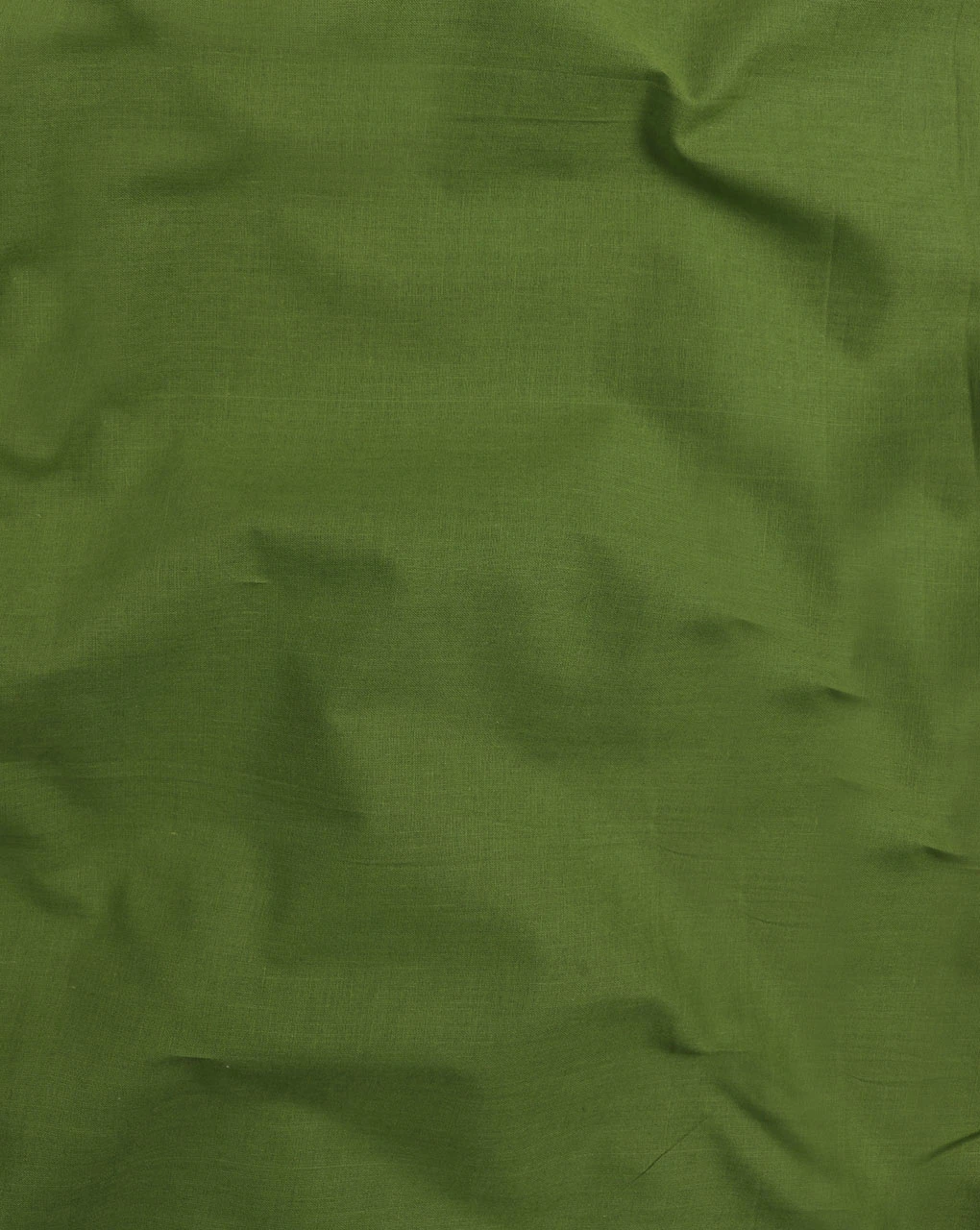
1. What makes Bhagalpur linen distinctive?
Bhagalpur has a long association with weaving and textile production. Linen and linen-cotton fabrics are among the categories buyers may explore through suppliers connected with the regional textile network. A particular fabric’s character comes from its fibre source, yarn preparation, weave, density and finishing.
Linen is made from flax fibre. Depending on the yarn and construction, it may have a crisp or relaxed handle, visible slubs, a matte appearance and natural crease behaviour. These features can be desirable in apparel, but they should be assessed against the intended design and approved sample.
2. Pure linen: fibre, texture and performance
Pure linen fabric is made from flax fibres. Its surface may show natural irregularities, and its hand feel can vary from crisp to softer depending on yarn, weave and finishing. Linen is often selected for warm-weather clothing because suitable constructions can feel airy and comfortable, but weight and structure still matter.
Common apparel applications
- Shirts, blouses and relaxed tops.
- Summer dresses, tunics and co-ord sets.
- Trousers, skirts and lightweight jackets.
- Overshirts and unstructured tailoring when the weight is suitable.
Key characteristics to assess
- Fibre composition and confirmation that it is 100% flax linen.
- Yarn thickness, weave construction and fabric density.
- GSM, finished usable width and opacity.
- Slub character, crease behaviour, drape and hand feel.
- Pre-treatment, shrinkage and recommended care.
Explore Weaveify linen fabric information.
3. Linen-cotton: understanding the blend
Linen-cotton combines flax and cotton fibres. The balance depends on the actual percentage of each fibre and the way the yarn and fabric are constructed. A blend may feel different from pure linen, but it is not automatically softer, stronger, less expensive or easier to care for in every case.
Do not rely on a generic “linen-cotton” label. Ask for the exact composition, such as the percentage of linen and cotton, and evaluate the finished fabric sample.
Why apparel buyers consider linen-cotton
- It can combine visible linen texture with a different hand feel from pure linen.
- It offers a range of possible drape and structure depending on blend ratio.
- It can be developed for shirts, dresses, tunics and coordinated separates.
- It provides another option when comparing fabric cost and design requirements.
These are possible outcomes, not guaranteed properties. The actual result depends on yarn, weave, finishing and fibre percentages.
4. Pure linen vs linen-cotton: how to compare
| Buyer consideration | Pure linen | Linen-cotton blend |
|---|---|---|
| Fibre content | Flax linen; confirm 100% composition. | Flax and cotton; confirm exact percentages. |
| Surface | Often has characteristic linen texture and slubs. | Appearance varies with blend ratio, yarn and weave. |
| Handle and drape | Can range from crisp to relaxed. | Can vary widely; assess the actual sample. |
| Creasing | Natural crease behaviour is often visible. | Creasing depends on blend ratio and finishing. |
| Best selection method | Approve a physical sample for the intended garment. | Check composition and compare a physical sample. |
Neither category is universally better. Choose based on the garment, target customer, desired appearance, price and care expectations.
5. Apparel applications for Bhagalpur linen
Linen can work across different garment categories when the fabric weight, construction and finish are matched to the pattern. A light, open construction may suit a loose summer shirt, while a denser quality may be more appropriate for trousers or a structured overshirt.
Shirts and blouses
Consider breathable constructions with suitable opacity, stable width and a hand feel that works with the intended fit.
Dresses and tunics
Check drape, transparency, lining needs and how the fabric behaves at seams and gathers.
Trousers and skirts
Review weight, crease behaviour, dimensional stability and resistance to seam stress for the garment design.
Lightweight jackets
Choose a construction with enough body and stability to support the silhouette and closures.
6. Linen suits, dress materials and coordinated sets
Linen and linen-cotton fabrics can be considered for coordinated apparel sets, including tunics with trousers or other matching separates. A successful set depends on consistent shade, compatible weight and a suitable relationship between the main fabric and any secondary fabric.
When sourcing a set, confirm whether all components will be produced from the same dye lot or whether shade variation may occur. Ask for a complete set sample where possible, rather than approving each component in isolation.
7. Weave structures and surface design
Plain weave, dobby, jacquard and other woven constructions can create different surface effects. Design details such as dobby motifs, extra-weft patterns or textured yarns should be described precisely in a buyer brief. Availability depends on the supplier’s equipment, technical capability and production arrangements.
If a particular pattern is important, provide a reference image or swatch and request a development sample. Confirm motif scale, repeat, fabric width and the appearance on the finished cloth.
8. Dyeing, printing and embroidery on linen
Linen and linen-cotton can be used as base fabrics for selected value-added processes. The suitable method depends on fibre composition, weave, pretreatment and desired result. Printing or embroidery can change the handle and drape, so evaluate the finished material rather than only the untreated base cloth.
- Solid dyeing: approve a lab dip or shade sample before bulk dyeing.
- Digital printing: confirm artwork file, repeat size, print width and colour expectations.
- Embroidery: assess stitch density, backing, placement and puckering on the base fabric.
- Special finishes: request details on process, care and any impact on shrinkage or hand feel.
Explore printed fabrics and embroidered fabrics.

9. GSM, width and technical specifications
GSM means grams per square metre and describes fabric mass per unit area. It is useful for comparing weight, but it does not independently determine quality, opacity, softness or durability. Yarn, weave, density and finishing also influence performance.
For every enquiry, specify:
- Fibre composition by percentage.
- GSM or agreed weight range.
- Finished usable width, with selvedge treatment clarified.
- Weave structure and yarn details where available.
- Colour, finish, slub character and surface expectations.
- Dimensional-change and colourfastness requirements where relevant.
Use the fabric GSM guide for international buyers to prepare your specification.
10. How to choose the right linen weight for a garment
There is no universal GSM range that guarantees suitability for a particular garment. Pattern design, opacity, weave density, yarn and finishing all affect the result. A lightweight fabric may need lining or a different construction; a heavier fabric may provide more body but feel less fluid.
Request a sample and test it in the intended pattern. Evaluate how it hangs, gathers, presses, stitches and behaves after the care process you expect customers to use.
11. Handloom and powerloom: assess the actual fabric
The source article highlights Bhagalpur’s handloom heritage. Buyers should nevertheless confirm the production method for the specific quality being quoted. The regional textile network may include different weaving methods and partner production units.
| Consideration | Handloom | Powerloom |
|---|---|---|
| Fabric character | May show distinctive craft-related texture and variation. | Can offer repeatable construction depending on machine and process controls. |
| Consistency | Agree acceptable variation and inspect representative pieces. | Confirm settings, process control and lot consistency. |
| Production planning | Discuss loom availability, artisan coordination and realistic quantity. | Discuss machine availability, setup and production schedule. |
| Approval | Retain an approved sample and written tolerances. | Retain an approved sample and written tolerances. |
Handloom is not automatically stronger, softer or more breathable than powerloom. Those properties depend on the fabric’s construction and finishing. Read our guide to handloom vs powerloom fabrics.
12. Quality checks for linen and linen-cotton
Set measurable acceptance criteria before production. Depending on the intended garment and buyer requirements, consider:
- Fibre composition verification.
- GSM and finished usable width.
- Shade consistency under agreed lighting.
- Visual defects such as holes, stains, broken ends and unacceptable weaving faults.
- Dimensional change after washing or the intended care process.
- Colourfastness to washing and rubbing where relevant.
- Seam slippage, pilling or tensile tests if required by the product.
Agree the test method, sample size, tolerance and responsibility for testing. Retain the approved sample as the reference for bulk inspection.
13. Shrinkage, creasing and garment care
Linen is known for visible creasing, which may be part of the intended aesthetic. However, dimensional change and care performance should be evaluated for the actual fabric. Pre-washing, finishing and garment construction can influence the final result.
Ask the supplier for available test information and recommended care instructions. Test the fabric using the intended wash, dry and press method before finalising garment labels. Do not assume that all linen or linen-cotton qualities can be cared for identically.
14. Responsible sourcing and sustainability claims
Flax is a natural fibre, but natural origin alone does not prove that a fabric is sustainable or low-impact. Environmental performance depends on agricultural practices, processing, dyeing, energy, water, chemicals, transport and product life. Handloom production also does not automatically establish the full environmental footprint or labour conditions of a product.
If sustainability is important to your brand, request evidence relevant to the exact fibre, facility and product. Check certificate validity and scope, and avoid broad claims such as “eco-friendly,” “zero impact” or “fully sustainable” without substantiation.
15. How to source linen from Bhagalpur
Start with a clear enquiry that identifies the fabric and intended garment. Ask the supplier to clarify which stages are handled directly and which are coordinated through partner units.
- Define pure linen or the required linen-cotton blend percentage.
- Specify GSM, usable width, weave and finish.
- Share a physical swatch or design reference if available.
- Request current samples and technical details.
- Check the fabric in the intended garment or production process.
- Agree quality criteria, MOQ, price and production estimate.
- Approve a reference sample and written order specification.
For more supplier checks, read How to Verify an Indian Fabric Supplier.
16. MOQ, price and production lead time
Minimum order quantity and lead time vary by supplier, fabric construction, yarn availability, colour, finish and order size. Custom weaving, dyeing, printing or embroidery may have different requirements from an available standard quality.
Ask for a written quotation stating fibre composition, GSM, width, finish, quantity, price basis, sample charges, payment terms, estimated production time, packing and delivery terms. Compare total landed cost rather than fabric price alone.
17. Export considerations for international buyers
When importing linen or linen-cotton fabric, confirm the correct product classification, fibre labelling, country-of-origin documentation, applicable chemical requirements and any buyer-specific testing. Requirements differ by destination and product. A certificate held by a supplier does not automatically cover every fabric or shipment.
Plan domestic transport from Bhagalpur to the selected port or airport, international freight, insurance where agreed, customs clearance and final delivery. Confirm the Incoterm and document responsibilities in writing. Ask a qualified customs professional to verify the HS classification for the exact construction.
18. Home furnishing uses: a separate product consideration
The original article also mentions home furnishing applications such as curtains, cushion covers, table runners, throws and upholstery accents. These are separate from apparel uses and require their own performance checks. A fabric suitable for a shirt is not automatically suitable for upholstery or other furnishing applications.
For furnishing use, buyers may need to assess abrasion, seam strength, light exposure, dimensional stability, cleaning method, flammability rules and other requirements relevant to the final product and destination. Confirm the specification with the end-use manufacturer.
19. Why consider Weaveify for linen enquiries?
Weaveify is a Bhagalpur-based textile business focused on fabric manufacturing, order supply and export. Its fabric range includes linen and cotton categories, along with silk, printed and embroidered fabric options for apparel applications. Buyers can share a technical brief to check suitable available qualities or discuss a sourcing requirement.
For an accurate enquiry, provide the fibre composition, GSM, width, construction, colour, finish, quantity, intended garment and destination country. Product availability, production route, minimum quantity, price and delivery schedule should be confirmed for each order.
Explore Weaveify linen fabric, browse the complete fabric range or contact the team through the contact page.
20. Buyer checklist before placing a linen order
- Is the fabric pure linen or a blend? Are percentages recorded?
- Are GSM, usable width, weave and finish specified?
- Has the fabric been checked for opacity, drape and hand feel?
- Have shade and surface expectations been approved physically?
- Are shrinkage, care and relevant test requirements clear?
- Is the production method confirmed for the specific quality?
- Are MOQ, price, payment terms and lead time in writing?
- Is the supplier’s role and quality responsibility understood?
- Are destination-market labelling and import requirements checked?
- Is a reference sample retained for bulk inspection?
21. Frequently asked questions
1. What is Bhagalpur linen?
It is a regional sourcing description for linen fabric associated with Bhagalpur’s textile network. Confirm fibre content, weaving location, construction and finish for the actual product.
2. Is Bhagalpur linen always handloom?
No. Confirm the weaving method used for the particular quality. Do not infer handloom production from the regional name alone.
3. What is pure linen fabric made from?
Pure linen is made from flax fibres. Ask for a composition declaration or suitable verification if fibre content is important to the order.
4. What is linen-cotton fabric?
It is a blend of flax linen and cotton. The exact percentages can vary and should be stated by the supplier.
5. Is linen-cotton softer than pure linen?
It may feel different, but softness depends on fibre percentages, yarn, weave and finishing. Compare physical samples rather than assuming a fixed result.
6. Which is better for summer clothing: linen or linen-cotton?
Both may suit warm-weather apparel. Choose based on garment design, fabric weight, opacity, drape, care and customer preference.
7. What garments can be made from linen?
Depending on weight and construction, linen can be used for shirts, blouses, dresses, tunics, trousers, skirts and lightweight jackets.
8. Can linen be used for suits and coordinated sets?
Yes, suitable linen and linen-cotton qualities can be used for coordinated apparel. Check shade consistency and compatibility between garment components.
9. Does linen wrinkle easily?
Linen has characteristic crease behaviour. The degree depends on yarn, weave, blend ratio and finishing. Discuss the desired appearance and care expectations.
10. What does GSM mean for linen fabric?
GSM means grams per square metre. It measures fabric mass per unit area but does not independently determine quality, drape or durability.
11. What GSM is best for linen shirts?
There is no single ideal GSM. The right weight depends on opacity, fit, weave, climate, style and whether the garment is lined.
12. Can linen be digitally printed?
Suitable linen constructions can be printed using an appropriate process. Approve a strike-off or sample because colour results depend on the base cloth and treatment.
13. Can linen be embroidered?
Yes, if the base fabric can support the design and stitch density. Test for puckering, distortion and durability on a finished sample.
14. How do I check linen quality?
Check composition, GSM, width, weave, surface, shade, defects, shrinkage and relevant colourfastness or performance tests.
15. Should I pre-wash linen before garment production?
That depends on the fabric finish and intended care. Test dimensional change and agree any pre-treatment with the supplier before bulk production.
16. What is the MOQ for Bhagalpur linen?
MOQ varies by supplier, construction, colour, finishing and whether the quality is standard or customised. Request the minimum for the exact specification.
17. Can international buyers source linen from Bhagalpur?
Buyers can enquire with suppliers serving export markets. Confirm product specifications, documentation, destination rules, freight and delivery terms for each order.
18. Is handloom linen always better than powerloom linen?
No. The right fabric depends on the intended look, consistency, construction, quantity and price. Assess the actual sample and verify the production method.
19. Is linen automatically an eco-friendly fabric?
No. Environmental impact depends on flax cultivation, processing, dyeing, energy, water, chemicals, transport and product life. Substantiate environmental claims with relevant evidence.
20. How can I request a linen quotation from Weaveify?
Use the Weaveify contact page and share composition, GSM, width, finish, quantity, intended garment and destination.
Looking for linen or linen-cotton for your next apparel collection?
Share your required fibre composition, GSM, width, weave, finish, quantity and destination with Weaveify. A clear brief helps identify suitable fabric options and the next steps for sampling.
Sourcing note: Fibre composition, production method, availability, specifications, minimum quantities, prices, lead times and export requirements must be confirmed for each order. This guide is general buyer information and does not replace physical inspection, laboratory testing or destination-specific regulatory advice.