
Choosing the Right Bhagalpur Fabric for Your Boutique: Silk, Linen, Cotton & Digital Prints
The right fabric helps define a boutique’s look, price point and customer experience. Bhagalpur is especially recognised for silk weaving, while buyers can also explore linen, cotton and value-added printed fabrics through its wider textile supply network. The best assortment is not simply the one with the most variety: it is the one that fits your customers, garment categories, price architecture and ability to replenish stock.
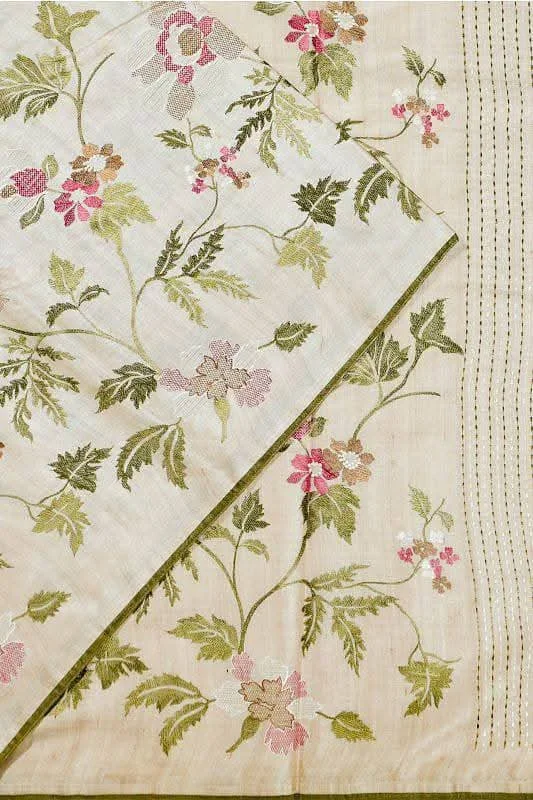
1. Why fabric selection matters to a boutique
Fabric influences far more than the appearance of a garment. It affects drape, comfort, construction, care, production cost and the way customers perceive value. A well-planned assortment gives your boutique options across occasions and budgets while keeping the collection visually coherent.
Before selecting materials, define the customer you serve. Consider age range, lifestyle, climate, preferred silhouettes, buying frequency and typical spending range. A boutique focused on everyday separates will make different choices from a studio specialising in occasionwear or made-to-measure garments.
2. Understanding Bhagalpur as a sourcing destination
Bhagalpur in Bihar is widely associated with silk weaving and has a wider network of textile businesses and production partners. Buyers may explore Tussar and Ghicha silk, selected Muga-related blends, cotton, linen and value-added fabric options. However, the availability of a particular construction, finish or quantity must be confirmed with the individual supplier.
Do not assume every supplier manufactures every fabric directly. Some businesses weave particular qualities themselves and source other qualities through partner units. Ask who is responsible for weaving, dyeing, printing, embroidery, finishing and final inspection.
Explore the Weaveify fabric range to understand the categories relevant to your collection.
3. Bhagalpur silk for premium and occasion-led collections
Silk can add texture, lustre and a premium material story to a boutique range. Bhagalpur is particularly associated with Tussar silk and Ghicha silk. Buyers may also encounter Muga-Tussar blends and other silk constructions. These names are not interchangeable: confirm the exact fibre, yarn form and percentage for every quality.
Potential boutique applications
- Occasion dresses, blouses and coordinated sets.
- Jackets, waistcoats and statement separates.
- Premium skirts, panels and tailored pieces.
- Scarves, stoles or other accessories where the construction is suitable.
What to check before buying
- Fibre composition: 100% silk or a clearly stated blend.
- Yarn form: reeled filament, spun silk or another construction.
- GSM, width, weave, drape and surface texture.
- Slub and shade variation, with an approved reference sample.
- Care instructions and relevant colourfastness or dimensional tests.
Explore silk fabric, including Tussar and Ghicha options.
4. Linen for contemporary, relaxed and warm-weather styles
Linen is made from flax and is appreciated for its distinctive texture and natural crease behaviour. Depending on yarn, weave, weight and finishing, linen can feel crisp or relaxed. Linen-cotton blends may offer a different balance of texture, drape, cost and care characteristics.
Potential boutique applications
- Shirts, blouses and relaxed tops.
- Summer dresses, tunics and co-ord sets.
- Trousers, skirts and lightweight jackets.
- Minimal, tailored or resort-inspired apparel.
Buyer checklist
- Confirm whether the fabric is pure linen or a blend.
- Specify GSM, finished usable width and weave.
- Assess opacity, slub character, drape and hand feel.
- Ask about pre-washing, shrinkage and care requirements.
- Approve the shade and surface appearance in a physical sample.
Explore linen fabric options. Natural fibre content alone does not establish a product’s environmental impact; substantiate any sustainability claim.
5. Cotton for everyday and versatile boutique ranges
Cotton can serve a broad range of price points and garment types. Its final character depends on yarn quality, yarn count, weave, weight, finishing and any print or embellishment. Lightweight cotton may suit shirts and dresses, while denser constructions may work for more structured styles.
Potential boutique applications
- Everyday shirts, tops and dresses.
- Tunics, relaxed trousers and co-ord sets.
- Printed styles and seasonal capsules.
- Selected linings or garment components when the specification is suitable.
Check composition, GSM, width, opacity, shrinkage, colourfastness and pilling where relevant. Ask whether the fabric is handloom, powerloom, yarn-dyed, piece-dyed or printed. Browse cotton fabrics.
6. Digital printed fabrics for distinctive collections
Digital printing can reproduce detailed artwork, gradients and multiple colours on a suitable fabric base. It can help a boutique create a recognisable visual direction, but the result depends on the print process, base cloth, inks, pretreatment and finishing.
Ideas for boutique use
- Small seasonal print capsules.
- Coordinated tops, dresses and matching separates.
- Exclusive artwork or colour stories for a collection.
- Print-led statement pieces balanced with solid fabrics.
What to confirm with the supplier
- Base fibre and fabric construction.
- Print method, usable print width and repeat dimensions.
- Artwork file requirements, colour matching and placement.
- Strike-off or printed sample approval.
- Colourfastness and care performance appropriate to end use.
Explore printed fabric options. Do not assume every artwork can be reproduced identically across different fibres or fabric surfaces.

7. Comparing the four fabric categories
| Category | Typical character | Possible boutique role | Key checks |
|---|---|---|---|
| Silk | Varies by silk type, yarn and weave; may offer texture and lustre | Premium, occasion-led and statement apparel | Composition, yarn form, drape, variation and care |
| Linen | Textured, crisp to relaxed, naturally crease-prone | Warm-weather, contemporary and relaxed apparel | Flax content, GSM, opacity, shrinkage and finish |
| Cotton | Broad range from light and soft to dense and structured | Everyday, casual and versatile collections | Composition, weave, GSM, colourfastness and shrinkage |
| Digital prints | Artwork-led; final look depends on base cloth and print process | Seasonal capsules and signature designs | Base fabric, repeat, colour approval and print durability |
These categories can overlap: silk, linen and cotton can all be printed or embroidered if the base fabric and process are suitable.
8. How to build a balanced boutique assortment
A balanced assortment is not a fixed percentage formula. The right mix depends on your sales history, customer profile, season, price points, available cash and replenishment capability. Instead of copying a universal stock ratio, start with a small test range and use actual sell-through data to guide reorders.
Plan the assortment by customer need
- Everyday range: fabrics and garments your regular customers can wear frequently.
- Seasonal range: materials suited to local climate and calendar demand.
- Premium range: selected silk or special constructions for customers seeking distinctive pieces.
- Design-led range: printed or embroidered styles that express your boutique identity.
For a new collection, consider starting with a limited number of designs in manageable quantities. Track sales, returns, customer feedback and the time required to sell each style before increasing depth.
9. Match fabric to your target customer and price point
Customer segmentation is more useful than assuming one fabric category sells to everyone. A boutique serving working professionals may prioritise easy-to-style separates; an occasionwear studio may invest more in premium silk; a value-focused retailer may need dependable everyday cotton options.
Everyday and value-conscious shoppers
Explore cotton qualities with a clear specification, wearable colours and practical care requirements.
Contemporary and warm-weather shoppers
Consider linen and linen blends after checking opacity, crease behaviour and garment construction.
Premium and occasionwear shoppers
Evaluate silk by exact composition, drape, surface, finish and the garment’s intended structure.
Design-conscious shoppers
Develop a controlled print story with approved artwork, repeat size and colour references.
10. Create a practical buying plan before contacting suppliers
Prepare a buying brief for each fabric rather than sending a broad request for “premium boutique material.” Include:
- Fabric category and exact fibre composition.
- Target GSM or weight range and finished width.
- Weave, yarn character and preferred production method, if important.
- Colour, print artwork, repeat and finishing details.
- Intended garment and approximate fabric consumption.
- Sample quantity, trial order quantity and expected repeat volume.
- Target purchase price and selling price range.
- Delivery destination and required date.
A complete brief helps suppliers determine whether an existing quality or a custom development route is appropriate.
11. GSM, width and fabric consumption
GSM means grams per square metre. It is a useful measure of fabric mass, but it does not independently determine quality, opacity, drape or durability. Two fabrics with the same GSM can behave differently because of fibre, yarn, weave and finishing.
Finished usable width affects cutting efficiency and the quantity required per garment. Ask for usable width excluding selvedge where appropriate, and make a marker or pattern estimate using the approved sample. Do not estimate garment consumption from GSM alone.
Use the fabric weight and GSM guide when preparing your specification sheet.
12. Sampling and approval before bulk purchase
Sampling is essential, especially when you are testing a new supplier, fabric category or print design. A photograph cannot fully communicate texture, opacity, hand feel or drape.
- Share the technical brief and intended garment.
- Request a swatch or development sample.
- Check fibre content, GSM, width, colour and surface.
- Make a trial garment if the design or material is unfamiliar.
- Test the intended washing, pressing and finishing process.
- Approve and retain a clearly identified reference sample.
- Record acceptable tolerances for bulk production.
13. Quality checks boutique owners should not skip
Even a small order should have clear acceptance criteria. Depending on the fabric and garment, check:
- Fibre composition and supplier description.
- Weight and usable width.
- Shade consistency and print alignment.
- Visible defects such as holes, stains, broken ends or unacceptable weaving faults.
- Dimensional change after washing or care treatment.
- Colourfastness to washing and rubbing where relevant.
- Seam behaviour, pilling or abrasion where required by the garment.
Agree how many pieces or metres will be checked, which test methods apply and how defects will be handled. Keep records of the approved sample and inspection outcome.
14. Printing and embroidery: add value with process control
Printing and embroidery can make a collection more distinctive, but they also add process variables. For printing, approve the artwork scale, repeat, placement and colour. For embroidery, confirm stitch density, thread, backing, placement and the effect on the base fabric.
Always review a finished sample. Check whether embroidery causes puckering or distortion and whether print colour and alignment are acceptable across the usable width. Browse embroidered fabric options as well as printed qualities.
15. Stock planning: manage risk and cash flow
Buying too much fabric before understanding demand can tie up cash and leave a boutique with slow-moving inventory. Buying too little can cause missed sales or inconsistent repeat orders. Manage this balance with small tests, reliable sales records and a clear reorder process.
- Use previous sales by category, colour, size and season.
- Separate core fabrics from trend-led or experimental designs.
- Test new prints and premium qualities in controlled quantities.
- Track sell-through, gross margin, returns and customer feedback.
- Check whether repeat production can match the approved shade and construction.
- Set reorder points based on actual lead times and cash availability.
Do not assume a supplier can reproduce every dye lot or handloom variation exactly. Discuss repeatability and tolerances before the first order.
16. Pricing and margin: calculate the full garment cost
Fabric purchase price is only one part of a boutique garment’s cost. Include fabric consumption, cutting loss, lining, trims, stitching, embellishment, finishing, packaging, freight, duties where applicable, payment fees, overhead and markdown risk.
Calculate expected gross margin using your actual cost structure and selling price. Compare fabrics on the value they create for a specific customer segment, not on wholesale price alone. Premium material may justify a higher retail price only when the design, workmanship and customer proposition support it.
17. Working with suppliers and checking capability
Ask whether the supplier manufactures the fabric directly, coordinates partner units or acts as a trader for the particular quality. This is not automatically a negative; what matters is transparency, clear accountability and reliable quality control.
- Request business details and relevant product experience.
- Ask for current samples and technical specifications.
- Clarify who handles weaving, dyeing, printing and finishing.
- Agree how defects, shade variation and shortages will be resolved.
- Confirm payment terms, dispatch method and communication process.
- Retain written quotations, approvals and order confirmations.
See how to verify an Indian fabric supplier before committing to a substantial order.
18. Responsible sourcing and honest product claims
Natural fibres, handloom production or a regional craft tradition do not automatically prove that a product is sustainable, organic, ethical or low-impact. Those claims depend on the fibre source, processing, dyeing, energy, water, chemicals, labour practices and evidence available for the exact product.
If your boutique markets certified or environmentally preferred products, ask for valid documents that cover the actual material, facility and transaction where relevant. Use specific, supportable wording on product labels and marketing. Avoid broad claims without evidence.
19. Why consider Weaveify for boutique fabric enquiries?
Weaveify is a Bhagalpur-based textile business focused on fabric manufacturing, order supply and export. Its fabric interests include silk, linen and cotton, along with selected printed and embroidered options for apparel applications. Buyers can share a brief to check whether a suitable existing quality or a custom sourcing route may be available.
For an efficient enquiry, provide the fabric type, composition, GSM, width, colour or artwork, quantity, intended garment and delivery destination. Availability, minimum quantities, prices and production schedules should be confirmed for the specific requirement.
Explore Weaveify fabrics, read about Weaveify or send a request through the contact page.
20. A boutique buyer’s pre-order checklist
- Is the fabric right for the target customer and garment?
- Is the fibre composition clearly stated?
- Are GSM, usable width and construction recorded?
- Have colour, print, embroidery and finish been approved?
- Has a physical sample or trial garment been reviewed?
- Are care instructions and relevant tests understood?
- Are MOQ, price, payment terms and lead time confirmed in writing?
- Is the supplier’s role and quality responsibility clear?
- Have freight, taxes and other costs been included in the buying calculation?
- Is the order quantity supported by realistic demand and cash flow?
21. Frequently asked questions
1. What fabrics can boutique owners source from Bhagalpur?
Buyers may explore silk varieties, linen, cotton and selected printed or embroidered fabrics through the regional textile supply network. Specific availability depends on the supplier and construction.
2. Which Bhagalpur silk varieties should I consider?
Tussar and Ghicha are commonly associated with Bhagalpur’s silk identity. Buyers may also encounter Muga-related blends and other silk constructions. Verify fibre composition and origin claims.
3. Is Bhagalpur linen suitable for boutique apparel?
Linen can suit shirts, dresses, tunics, trousers and relaxed apparel when the weight, opacity, drape and finish match the garment design.
4. Is cotton a good option for everyday boutique collections?
It can be. Select the cotton construction based on garment use, customer expectations, GSM, opacity, care and price point.
5. What is the advantage of digital printed fabric?
Digital printing can support detailed artwork and varied colour designs. Results depend on the base cloth, print process, artwork, pretreatment and finishing.
6. Can I customise my own print design?
Custom artwork may be possible depending on supplier capability, fabric base, file requirements, order quantity and production process. Request a strike-off or sample for approval.
7. Can silk, linen and cotton all be digitally printed?
Suitable constructions of these fibres can be printed using appropriate processes. Colour results and process requirements differ by fibre and fabric finish.
8. How should I divide my boutique fabric budget?
There is no universal percentage split. Use your customer profile, sales history, seasonality, margins and cash flow to set category budgets, then test new products in controlled quantities.
9. Should a new boutique buy large quantities?
Usually it is safer to test demand with manageable quantities where supplier MOQ allows. Track sell-through and reorder performance before committing to deeper inventory.
10. What does GSM mean when buying fabric?
GSM means grams per square metre. It measures fabric mass per unit area, but does not alone determine quality, drape or durability.
11. How can I compare two fabric samples?
Compare composition, construction, weight, width, colour, opacity, hand feel, drape and relevant test results under consistent conditions.
12. Should I request samples before wholesale orders?
Yes. Review a physical sample and, for unfamiliar fabrics or important designs, make a trial garment before approving bulk production.
13. What quality tests should boutique owners consider?
Depending on the garment, consider composition, GSM, width, shrinkage, colourfastness, pilling, seam behaviour and print or embroidery durability.
14. Is handloom always better than powerloom?
No. The suitable method depends on design, required surface character, consistency, quantity, price and production schedule. Verify the actual method used.
15. How do I calculate the right fabric quantity?
Use garment patterns or marker estimates based on the approved fabric’s usable width, design, size range and cutting layout. Include realistic allowance for defects and cutting loss.
16. What should I include in a supplier enquiry?
Include fabric type, fibre content, GSM, width, construction, colour or artwork, finish, quantity, end use, target price and delivery location.
17. How can I avoid slow-moving inventory?
Test new styles in controlled quantities, monitor sell-through and customer feedback, and use sales data to guide reorders. Avoid assuming a trend will work for every customer base.
18. Are natural fabrics automatically eco-friendly?
No. Environmental impact depends on fibre sourcing, processing, dyeing, energy, water, chemicals, transport and product life. Substantiate claims with relevant evidence.
19. Can Weaveify supply wholesale fabric to boutiques?
Weaveify handles fabric manufacturing, order supply and export enquiries. Share the exact specification and quantity to confirm suitable options, availability and terms.
20. How can I contact Weaveify for a boutique order?
Use the Weaveify contact page and include your fabric requirement, technical details, quantity and delivery destination.
Build a fabric assortment your customers will remember
Whether you are developing a premium silk edit, a relaxed linen collection, everyday cotton styles or a signature digital print story, begin with your customer and an approved fabric sample.
Explore Weaveify fabrics | Discuss your boutique requirement
Sourcing note: Product availability, fibre composition, minimum quantities, pricing, repeatability and production schedules vary by quality and supplier. Confirm specifications and terms in writing before placing an order. This guide is general business information and does not guarantee sales, margins or market demand.