
Different Types of Silk Fabric Used in Fashion: A Complete Guide for Designers and Buyers
Silk offers an unusually broad design vocabulary: fluid drape, natural lustre, sheer structure, tactile texture and a range of distinctive regional identities. From Tussar and Muga to Organza and Chanderi, different silk fabrics can create very different results in a garment.
For fashion designers, apparel manufacturers, fabric importers and sourcing teams, the challenge is choosing the right silk for the product—not simply choosing the most luxurious-sounding name. This guide compares important Indian silk varieties, explains their characteristics and fashion applications, and outlines the practical checks buyers should make before ordering.
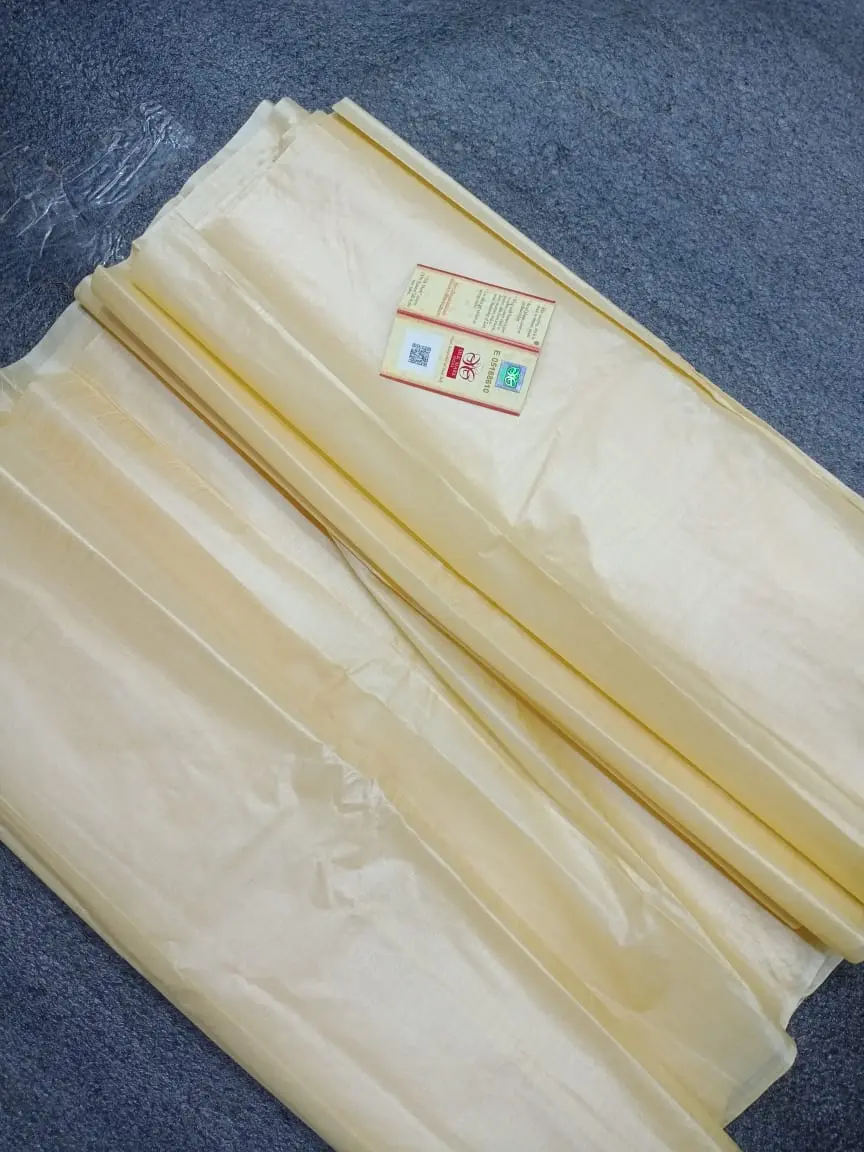
1. What Makes Silk a Distinctive Fashion Fabric?
Silk is a natural protein fibre produced by silkworms. The cocoon filament can be reeled into yarn, while shorter silk fibres can be processed and spun. These yarns are then woven or knitted into fabrics with different structures and finishes.
Silk is valued in fashion for its combination of appearance and material performance. Depending on the variety and construction, it can offer:
- Natural lustre: Silk can reflect light with a characteristic sheen, although the level varies by fibre, yarn and finish.
- Fluid drape: Many silk fabrics fall gracefully, while crisp constructions such as organza provide more structure.
- Lightweight options: Silk can be developed in fine, light fabrics as well as heavier constructions.
- Tactile variety: Smooth filament silk, spun silk and textured weaves feel different in the hand.
- Colour and design versatility: Suitable silk bases can be dyed, printed or embroidered.
- Premium positioning: Silk's heritage, appearance and craftsmanship make it relevant to occasion, designer and premium apparel.
2. Understanding the Main Categories of Silk Fabric
Silk fabrics can be grouped in several ways. Some names refer to the silkworm or fibre source, some to a regional weaving tradition, and others to yarn or fabric construction. This distinction matters when comparing products.
- Fibre or silk type: Tussar, Muga and other wild silks refer to different silk sources.
- Yarn form: Reeled filament silk uses continuous filaments; spun silk is made from shorter fibres.
- Fabric construction: Organza describes a sheer, crisp construction rather than a single fibre source. It can be made from silk or other fibres.
- Regional textile tradition: Chanderi refers to a textile tradition with different possible fibre compositions and constructions.
- Processing description: “Raw silk” is used inconsistently in trade and should be clarified with the supplier.
For a reliable purchase specification, identify the actual fibre composition and fabric construction instead of relying only on the commercial fabric name.
3. Tussar Silk: Natural Texture and Earthy Lustre
Tussar silk is a category of wild silk associated with several silkworm species and production regions in India. It is often recognised by its textured surface and natural beige, tan, honey or golden-brown shades.
Characteristics
- Often has a naturally textured surface.
- Typically offers an earthy, subdued lustre.
- Available in different yarn forms, constructions and weights.
- Natural shade and texture can vary between lots.
Fashion applications
Selected Tussar qualities can be used for dresses, tunics, jackets, sarees, dupattas and contemporary ethnic wear. The choice depends on the weight, drape, opacity and construction.
Explore Tussar silk fabric and read the Tussar silk characteristics and uses guide.
4. Muga Silk: Distinctive Natural Golden Character
Muga silk is traditionally associated with Assam and the silkworm species Antheraea assamensis. Its naturally warm golden appearance is one of its most recognisable features. Genuine Muga is a speciality material, and buyers should verify fibre identity and origin claims.
Characteristics
- Naturally golden-yellow to honey-toned appearance, with variation between lots.
- Distinctive lustre and hand feel.
- Strong association with Assam's sericulture and weaving heritage.
- Premium positioning, with availability and cost dependent on genuine material sourcing.
Fashion applications
Muga is used in traditional garments and can be considered for premium apparel, occasion wear, bridal collections and accessories. The suitability of a particular fabric depends on its construction, weight and finish.
Explore Muga silk fabric and the Muga silk uses and characteristics guide.
5. Ghicha Silk: Spun-Silk Texture
Ghicha silk is commonly associated with spun silk yarn made from shorter silk fibres that cannot be reeled as continuous filaments. The yarn can create a visibly irregular, tactile and rustic surface. Fibre source and construction can vary, so composition should be confirmed for each quality.
Characteristics
- Often has slubs and natural-looking yarn irregularities.
- Surface can appear matte to softly lustrous.
- Texture varies with yarn preparation, weave and finishing.
- Lot-to-lot variation should be assessed against an approved sample.
Fashion applications
Selected Ghicha fabrics can be developed into dresses, tunics, jackets, sarees, dupattas and craft-inspired collections. Test drape and seam performance before bulk production.
Explore Ghicha silk fabric and its uses and characteristics guide.
6. Organza Silk: Sheer Structure and Volume
Organza is a lightweight, sheer and relatively crisp fabric construction. Silk organza is made from silk yarn, but organza can also be produced from synthetic fibres. Buyers should therefore confirm the fibre composition rather than assume that every organza is silk.
Characteristics
- Sheer or semi-transparent appearance.
- Crisp hand and ability to hold shape.
- Lightweight construction that can create volume without heavy fabric mass.
- Can be layered over other fabrics or used for design details.
Fashion applications
Silk organza can be used for overlays, sleeves, layered dresses, occasion wear, bridal details and structured decorative elements. Test seam finishes and handling because sheer fabrics can reveal stitching and construction details.
Explore Organza silk fabric and the Organza silk guide.
7. Chanderi Silk: Lightweight Heritage Textile
Chanderi is a traditional Indian textile associated with Chanderi in Madhya Pradesh. Chanderi fabrics can use silk, cotton and zari in different combinations. Therefore, the name does not automatically mean that a fabric is 100% silk.
Characteristics
- Often lightweight, with a delicate appearance.
- May have a subtle sheen and semi-transparent effect.
- Composition and hand feel vary by construction.
- May include zari or other decorative yarns.
Fashion applications
Chanderi is used for traditional garments, lightweight festive clothing, tunics, dresses, dupattas and contemporary ethnic wear. Confirm the fibre composition and opacity for the intended garment.
Explore Chanderi silk fabric and its uses and characteristics guide.
8. Raw Silk: Clarify the Yarn and Trade Description
“Raw silk” is a trade term that can be used in different ways. In technical silk processing, raw silk commonly refers to reeled filament silk before degumming. In some commercial descriptions, the term may be used more loosely for textured or less-processed-looking silk fabrics.
Short silk fibres spun into yarn, silk noil and raw reeled filament silk are not identical materials. Buyers should ask the supplier to state the fibre source, yarn form, processing and composition.
Characteristics and fashion applications
Depending on the product, raw silk fabrics may have a more textured or less glossy appearance than degummed silk. Suitable qualities can be used for structured jackets, dresses, designer garments and couture-inspired pieces. The actual fabric specification determines the best application.
Explore Raw silk fabric and the raw silk uses and characteristics guide.
9. Silk Fabric Comparison: Which Type Is Right for Your Design?
| Silk fabric | Typical visual character | Possible fashion direction | Key buyer check |
|---|---|---|---|
| Tussar | Textured, earthy lustre | Dresses, jackets, sarees, tunics | Silk type, yarn form, shade and construction |
| Muga | Natural golden tone | Premium and heritage apparel | Authenticity, origin and composition |
| Ghicha | Irregular spun-yarn texture | Textured dresses, tunics and accessories | Fibre source, blend and acceptable texture |
| Silk organza | Sheer and crisp | Overlays, sleeves, occasion and bridal wear | Silk vs synthetic composition and stiffness |
| Chanderi | Lightweight, delicate appearance | Festive and contemporary ethnic wear | Silk/cotton/zari composition and opacity |
| Raw silk | Varies by trade meaning and processing | Structured and designer garments | Exact yarn and processing definition |
This comparison is a starting point, not a substitute for sampling. The same named silk category can contain multiple weights, constructions and finishes.
10. How to Select Silk Fabric for Different Garments
Dresses and fluid silhouettes
Prioritise drape, movement, opacity and lining requirements. A soft construction may suit a flowing dress, while a crisp fabric may be better for volume or sculptural details.
Jackets and structured apparel
Look for sufficient body, stable construction and compatibility with interfacing. Test seam strength, garment movement and pressing behaviour.
Sheer overlays and layered garments
Organza and other sheer constructions can add transparency and volume. Inspect edge finishing, seam visibility and the interaction between layers.
Traditional and occasion wear
Tussar, Muga and Chanderi may be considered depending on the design and regional aesthetic. Confirm composition, origin claims and embellishment requirements.
Dupattas, scarves and accessories
Evaluate drape, finished width, edge finish, snagging and colourfastness. Lightweight fabrics may need careful handling and packing.

11. Understanding Silk Fabric GSM and Weight
GSM means grams per square metre. It indicates fabric mass, but it does not independently describe softness, quality, opacity or drape. Yarn size, weave density, fibre type and finishing all contribute to how a silk fabric behaves.
There is no single GSM range that applies to all silk varieties. Use the following as broad apparel-development guidance only:
| Indicative weight direction | Potential use | What to test |
|---|---|---|
| Lightweight | Sheer layers, scarves, light tops and overlays | Opacity, snagging, seam handling and drape |
| Light to medium | Dresses, tunics, dupattas and many apparel styles | Body, lining, shrinkage and sewing behaviour |
| Medium | Structured dresses, jackets and more substantial garments | Stiffness, bulk, comfort and seam stability |
Ask for the actual finished GSM and usable width for the specific quality. For custom development, approve a sample before bulk and record the accepted tolerances.
12. Quality Checks Before Buying Silk Fabric
Silk is a premium material, but a premium description does not guarantee that every roll meets the required standard. Use a written specification and an approved sample as the basis for inspection.
- Fibre composition: Confirm the silk type and whether the fabric is pure silk or blended.
- Yarn and construction: Ask whether the yarn is reeled filament or spun, and confirm the weave or fabric construction.
- Weight and width: Measure finished GSM and usable width with agreed tolerances.
- Shade and lustre: Compare under consistent lighting and define acceptable natural variation.
- Surface defects: Inspect for holes, broken yarns, stains, weaving faults and unacceptable slubs.
- Colourfastness: Test rubbing, washing or perspiration performance according to the intended use.
- Dimensional stability: Check shrinkage or relaxation under the expected care process.
- Seam performance: Make a sewing trial to check fraying, seam slippage, puckering and needle damage.
- Care compatibility: Confirm the fabric can tolerate the proposed cleaning and pressing method.
- Documentation: Obtain accurate composition and origin information, plus relevant test reports where required.
13. Printing, Dyeing and Embroidery on Silk
Many silk bases can be dyed or decorated, but the process must be compatible with the fibre, yarn, construction and finish.
Dyeing
Silk can be dyed in a broad range of shades. Request a lab dip or sample, assess colour under consistent lighting and test fastness. Dyeing can change hand feel or fabric dimensions, so evaluate the finished quality.
Digital printing
Selected silk fabrics can be digitally printed with detailed artwork and multiple colours. The natural shade and texture of the base affect the final result. Approve a print strike-off before bulk. Explore printed fabric options.
Embroidery
Embroidery can add texture and decorative value to suitable silk bases. Stitch density, backing, motif size, placement and fabric stability should be tested to avoid puckering or damage. Explore embroidered fabric options.
14. Cutting, Stitching and Garment Manufacturing Considerations
Silk fabrics can behave differently during cutting and sewing depending on their weight, surface, weave and yarn. A sample garment or production panel helps identify problems before bulk cutting.
- Condition or relax fabric according to supplier guidance before spreading.
- Use stable spreading and suitable cutting methods to minimise shifting.
- Test needle size, thread, stitch length and seam allowance on offcuts.
- Check fraying, seam slippage, puckering and needle marks.
- Use lining or interlining where required by opacity, comfort or structure.
- Plan pattern placement around natural shade or surface variation.
- Confirm pressing temperature and finishing methods on a sample.
- Record the approved fabric reference, measurements, shade and construction for production.
For a broader apparel-production perspective, read the complete guide to silk fabric for apparel manufacturing.
15. Global Fashion Markets and Silk Sourcing
Silk fabrics from India are used by buyers across many international markets. However, demand and preferences vary by brand, customer, season, price segment and garment category. A supplier should respond to the actual buyer specification rather than assume that every market wants the same silk type.
Europe
Fashion brands may evaluate silk for premium apparel, occasion wear and collections with a strong material story. Fibre composition, chemical compliance and traceability information can be important sourcing considerations.
United States and Canada
Designers and brands may use silk in dresses, evening wear, premium separates and accessories. Buyers should confirm applicable fibre-content labelling and product requirements.
Australia and New Zealand
Lightweight fabrics may be considered for resort and warm-weather collections, depending on the garment and season.
Gulf markets
Premium and festive apparel may use silk fabrics in different weights and constructions. Opacity, layering and garment design remain important.
These are broad product contexts, not guarantees of market demand. Buyers should validate the intended customer, collection and compliance requirements in each destination.
16. How to Source Silk Fabric from India
India offers a wide range of silk traditions, weaving clusters, fabric suppliers and processing capabilities. A good sourcing brief helps the supplier identify the right material and quote accurately.
Include these details in your enquiry:
- Silk type or exact fibre composition required.
- Whether a blend is acceptable and the permitted percentage.
- End use: dress, jacket, top, saree, dupatta, overlay or accessory.
- Target GSM, usable width, weave and finish.
- Colour, print or embroidery requirement.
- Estimated quantity, colour split and repeat-order expectations.
- Destination country and any test, labelling or origin-document requirements.
- Target delivery window and preferred shipping terms.
Request physical samples where possible. Confirm whether the quotation covers greige, dyed, printed, embroidered or finished fabric. Approve the sample and written specification before bulk production.
17. MOQ, Pricing, Sampling and Export Considerations
Silk fabric prices vary by fibre type, authenticity, yarn, weave, GSM, width, finishing, colour, embellishment and order quantity. Muga, Tussar, spun silk, organza and Chanderi should not be compared solely by the word “silk”; their material and construction specifications can be very different.
MOQ and lead time depend on the supplier, available material, weaving capacity and processing. Custom colours, printing and embroidery may require additional sample approvals.
| Commercial detail | What to confirm |
|---|---|
| MOQ | Minimum per silk type, construction, colour and processing option |
| Sample | Swatch or yardage availability, cost and dispatch time |
| Price | Unit, currency, taxes, packing and quotation validity |
| Specification | Composition, yarn, weave, GSM, width, finish and tolerances |
| Lead time | Sampling, approval, production and dispatch milestones |
| Payment | Advance and balance milestones, accepted method and bank charges |
| Delivery | Incoterm, shipping mode, insurance and responsibility for costs |
For export, confirm the correct customs classification based on the actual fibre composition and fabric construction. Agree on invoice description, packing list, origin information, applicable tests, destination labelling and shipping responsibilities. Do not use one generic tariff code for every silk fabric.
18. Why Fashion Brands Source Silk Fabrics from Weaveify
Weaveify is an India-based textile manufacturer, order supplier and exporter focused on fabrics for apparel applications. Its silk fabric range includes Tussar, Muga, Ghicha, Organza, Chanderi and Raw Silk, along with selected printed and embroidered fabric options subject to the base material and development requirement.
For sourcing enquiries, share the exact silk type, composition, GSM, width, finish, colour, quantity and garment application. Weaveify can review the requirement and discuss suitable fabric options. Product specifications, availability, MOQ, pricing and lead times should be confirmed for each order.
Explore the Weaveify silk fabric collection, learn about Weaveify's infrastructure, or send a fabric enquiry.
Frequently Asked Questions About Silk Fabrics Used in Fashion
1. What are the main types of silk fabric used in fashion?
Commonly discussed Indian silk varieties include Tussar, Muga, Ghicha, Organza, Chanderi and Raw Silk. Each has different fibre, yarn, construction and appearance characteristics.
2. Which silk fabric is best for luxury garments?
There is no single best silk. Muga, Tussar, Chanderi and other silks can suit premium garments depending on the design, authenticity, construction, finish and budget.
3. What is the difference between Tussar and Muga silk?
They are different wild silk categories associated with different silkworm species and regional traditions. Muga is especially known for its natural golden tone, while Tussar includes several types with earthy shades and textured character.
4. Is Ghicha silk a type of Tussar silk?
Ghicha is commonly associated with spun silk yarn made from shorter silk fibres, sometimes linked with Tussar-related material. Confirm the exact fibre source and composition for each product.
5. Is all Organza made from silk?
No. Organza describes a sheer, crisp fabric construction and can be made from silk or synthetic fibres. Always confirm the fibre composition.
6. Is Chanderi fabric always 100% silk?
No. Chanderi fabrics may use silk, cotton and zari in different combinations. Ask for the exact composition of the quality being purchased.
7. What does Raw Silk mean?
In technical processing, raw silk commonly refers to reeled filament silk before degumming. Commercial usage can vary, so clarify whether the product is reeled raw silk, spun silk or another textured construction.
8. Which silk is best for dresses?
The best choice depends on silhouette, drape, weight, opacity and finish. Lightweight or fluid qualities may suit flowing dresses, while crisp constructions may be better for volume and structure.
9. Which silk fabric is suitable for jackets?
Choose a fabric with enough body and stability for the design. Test interfacing, seam performance, pressing and movement before bulk production.
10. What GSM is suitable for silk apparel?
There is no universal GSM. Select weight according to the garment and verify the actual finished fabric measurement, width and tolerance.
11. Can silk fabric be digitally printed?
Selected silk bases can be digitally printed. Approve a strike-off and test colour, detail, hand feel and fastness before bulk processing.
12. Can silk fabric be embroidered?
Yes, suitable silk constructions can be embroidered. Test backing, stitch density, motif size and placement to prevent puckering or damage.
13. Is silk a sustainable fabric?
Silk is a natural protein fibre, but sustainability depends on sericulture, processing, dyeing, energy, water, labour and traceability. Verify specific claims with relevant evidence.
14. How do buyers check silk fabric quality?
Confirm fibre composition, yarn form, construction, GSM, width, shade, surface defects, colourfastness, dimensional stability and sewing performance against an approved sample.
15. Can international buyers source silk fabric from India?
Yes. Buyers can work with Indian silk suppliers and exporters. Provide a detailed specification and confirm samples, MOQ, price, lead time, quality requirements and export documentation.
Looking for Indian Silk Fabrics for Your Fashion Collection?
Share the silk type, composition, GSM, width, colour, finish, quantity and intended garment. Weaveify can review your requirement and discuss suitable fabric options for apparel development.
Fabric identity, composition, origin, availability, specifications, minimum order quantities, prices and lead times are subject to confirmation for each order. Buyers should approve a representative sample and written specification before bulk production.
Pingback: What Is Raw Silk Fabric? Uses, Characteristics & Buyer Guide