
Weaveify · Bhagalpur, India · Buyer resource
Bhagalpur Fabric Export FAQs for Global Buyers
Bhagalpur is widely associated with India’s silk-weaving heritage. For international apparel brands, wholesalers and fabric importers, the city can be a sourcing base for silk and other textile materials. Before placing an order, buyers should understand exactly what a supplier can develop, how specifications are approved, what affects minimum quantities and lead times, and which export arrangements need to be confirmed.
Quick answer: Bhagalpur-based suppliers may offer silk varieties, cotton, linen and blended fabrics, along with printing or embroidery development where available. However, MOQ, production time, price, testing and shipping are not universal city-wide standards. They depend on the particular fabric, yarn, construction, colour, finish, quantity, supplier arrangement and destination country. Get every important point confirmed in a written quotation and approved sample.
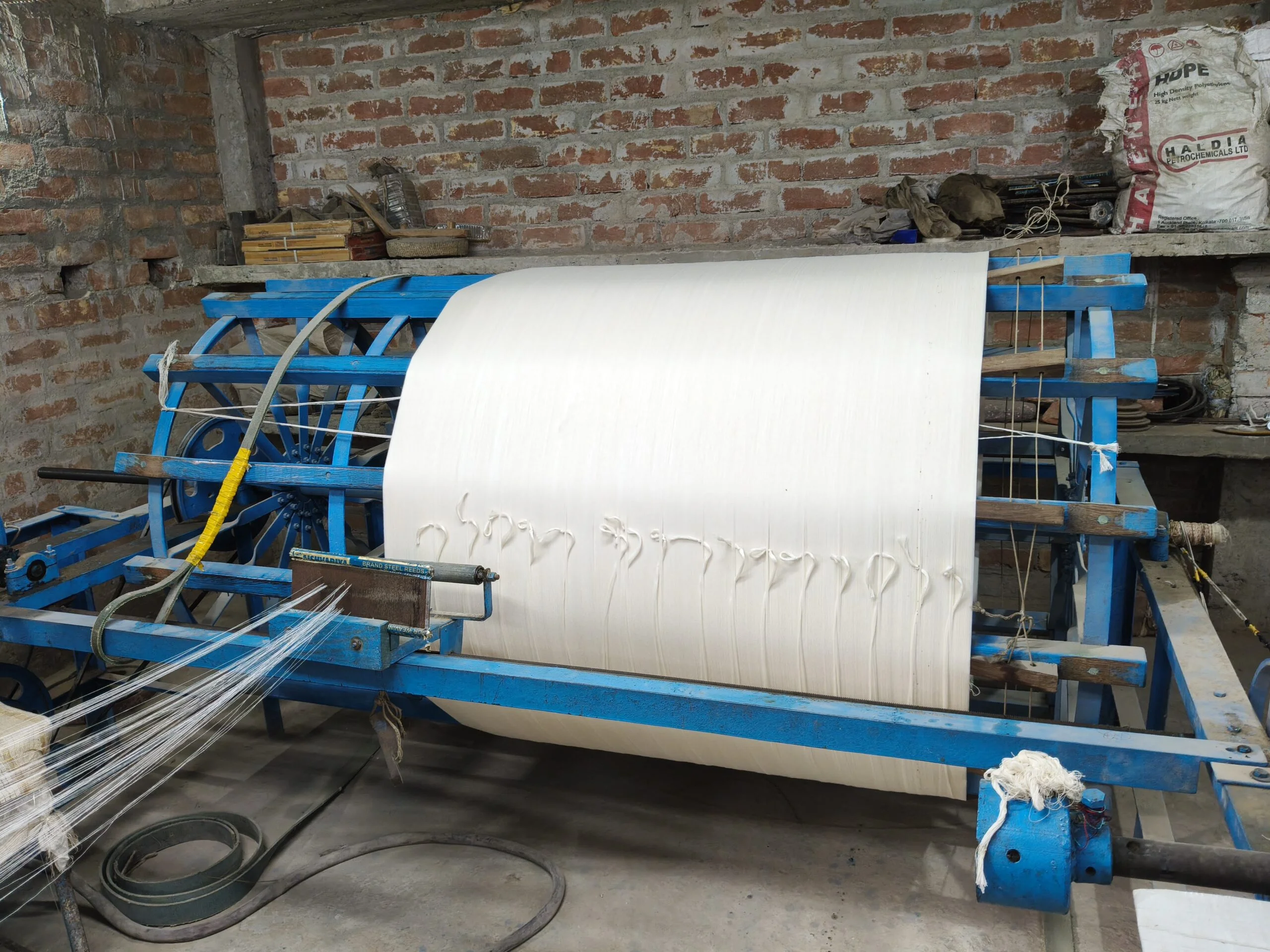
1. What fabrics can international buyers source from Bhagalpur?
Depending on the supplier’s sourcing and production network, buyers may enquire about Tussar silk, Ghicha silk, Muga or Tussar-Muga blends, other silk fabrics, cotton, linen and selected blended constructions. Buyers can also ask about fabric bases intended for digital printing or embroidery.
Do not rely on a broad product name alone. Ask for the exact fibre composition, yarn type, weave, width, finished GSM, colour, finish and whether the fabric is handloom- or powerloom-woven. For blended fabrics, request the percentage of each fibre in writing.
- Explore silk fabrics, including Tussar, Muga, Ghicha, Chanderi and Organza options.
- Explore linen fabrics for apparel applications.
- Explore cotton fabrics and cotton-based constructions.
- Explore printed fabrics and embroidery fabrics.
2. Is Bhagalpur suitable for apparel fabric sourcing?
It can be a useful sourcing location for brands looking for distinctive Indian textiles, especially silk-led and lightweight fabric developments. Suitability depends on whether the supplier can meet your required construction, repeatability, width, weight, colour consistency, testing and order volume.
For apparel, share the intended garment category—such as shirts, dresses, scarves, occasionwear or lightweight jackets—and explain the required drape, opacity, handle, durability and care performance. A fabric that looks attractive as a swatch may behave differently during cutting, stitching, washing or finishing.
3. What is the minimum order quantity (MOQ)?
There is no single MOQ for all Bhagalpur fabrics. It can vary by available stock, yarn procurement, loom setup, dyeing lot, printing method, embroidery complexity and colour count. A ready-stock fabric may have a different minimum from a custom-woven or specially dyed development.
4. Can I order fabric samples before bulk production?
Buyers should request swatches or a sample metreage before committing to bulk wherever the supplier can provide them. For a custom development, the sample should represent the proposed yarn, construction, colour, finish and processing as closely as possible.
Approve a physical reference sample and retain a signed or otherwise clearly identified record. If laboratory testing or garment trials are important, arrange them before bulk approval. Confirm sample charges, courier cost and whether sample costs are refundable or adjustable against a later order.
5. How long does sampling and bulk production take?
Lead time depends on fabric availability and the work required. Ready stock, sampling, custom weaving, dyeing, printing, embroidery and repeat production have different schedules. Raw-material availability, loom scheduling, approval delays, rework and seasonal demand can also affect timing.
Rather than relying on a generic estimate, request a dated schedule with milestones: sample dispatch, approval deadline, material procurement, production start, inspection, packing and dispatch. Ask when the delivery estimate begins—for example, after advance payment, receipt of approved artwork or final sample approval.
6. Can buyers request custom weave, GSM, width or colour?
Custom development may be possible, subject to the supplier’s machinery, artisan or mill network, yarn availability and minimum production requirements. Discuss each variable separately instead of simply asking for a “custom fabric.”
- Weave or construction, such as plain, dobby or another agreed structure.
- Finished width and acceptable width tolerance.
- Target GSM and the method used to measure it.
- Fibre composition, yarn count and yarn characteristics.
- Colour reference, dyeing method and acceptable shade variation.
- Printing or embroidery artwork, placement and repeat dimensions.
Request a development sample and written specification before authorising production.
7. How is the price of exported fabric calculated?
Fabric pricing is influenced by fibre and yarn cost, construction, loom process, width, GSM, finishing, dyeing, printing, embroidery, order quantity, wastage, packing and inspection requirements. Silk varieties and specialised yarns can have very different cost structures from cotton or linen.
Ask for a quotation that clearly states the unit—per metre, yard, kilogram or piece—and the currency. It should also identify whether the price includes processing, packing, inland transport, export handling, freight and insurance. Compare quotations only after aligning the specifications and Incoterm.
8. Which payment terms should overseas buyers expect?
Payment terms are agreed between buyer and seller and may depend on order value, transaction history, production risk and banking arrangements. For a first order, suppliers may request an advance or staged payment before procurement and production. Do not assume that open-account credit is available.
Before transferring funds, verify the legal supplier name, bank beneficiary details and invoice. Any change to bank details should be confirmed through a trusted, independently verified communication channel. Agree in writing on the payment schedule, cancellation terms, refund conditions and responsibility for bank charges.
9. Which Incoterms can be used for fabric exports from India?
Depending on the shipment and the parties’ capabilities, quotations may use terms such as EXW, FCA, FOB, CPT, CIP, CFR, CIF or DAP. The appropriate term depends on the transport mode and the precise delivery point. Not every Incoterm is suitable for every mode of transport.
Always state the named place or port and the Incoterms® version, for example “FCA [named place], Incoterms® 2020.” Clarify who arranges export clearance, freight, insurance, import clearance and duties. DDP should only be offered where the seller can lawfully and practically handle destination import obligations.
10. How are fabrics shipped from Bhagalpur to overseas destinations?
Shipments generally require an inland movement from the production or consolidation location to an appropriate airport, seaport or logistics hub. The route and port depend on destination, cargo volume, service availability, freight quotation and the agreed Incoterm. Air courier or air freight may suit samples and urgent small consignments; consolidated or full-container sea freight may suit larger cargo.
Do not assume a fixed port or transit time. Ask the freight forwarder to confirm the actual route, cut-off dates, transit estimate, destination charges, customs requirements and whether the quotation is port-to-port or door-to-door.

11. What quality details should be checked before bulk approval?
Quality requirements should be defined for the specific end use. At minimum, agree on fibre composition, weave, width, GSM, colour, finish, defects, hand feel and packing. Depending on the product, buyers may also require dimensional stability, colourfastness, pilling, seam performance or other tests.
| Parameter | What the buyer should specify |
|---|---|
| Composition | Fibre names and percentages; test method if verification is required. |
| Width | Usable finished width, measurement method and tolerance. |
| Weight | Target GSM, conditioning and test method, plus tolerance. |
| Colour | Physical standard or recognised colour reference and acceptable variation. |
| Construction | Weave, yarn details, density or other measurable construction requirements. |
| Performance | Relevant colourfastness, shrinkage, strength or other tests for intended use. |
| Appearance | Agreed defect classification, inspection method and acceptance criteria. |
12. Can buyers request third-party testing?
Yes, buyers can request testing through an appropriately qualified laboratory, subject to the test scope, sample availability and commercial agreement. Identify the exact standard, test method, sample source and acceptance limit before testing. A general statement such as “tested” or “AZO-free” is not a substitute for a report that identifies the material and tests performed.
Regulatory obligations vary by destination, fibre, product category, intended use and chemical treatment. A fabric for apparel may require different checks from a decorative textile. The importer should confirm applicable destination-country requirements and share them with the supplier before production.
13. What export documents may accompany a fabric shipment?
Depending on the transaction and destination, documents may include a commercial invoice, packing list, shipping bill or export declaration, transport document, certificate of origin where required, insurance document where applicable, and product-specific test or compliance records. Preferential tariff claims may require additional origin evidence and must meet the relevant rules of origin.
The exact document set is shipment-specific. The buyer and exporter should agree on consignee details, product description, HS classification, country of origin, quantities, values and any required declarations before dispatch. Customs classification and import duty should be confirmed for the destination market.
14. How should buyers specify fibre composition and product descriptions?
Use recognised fibre names and accurate percentages rather than relying only on commercial or regional fabric names. If a fabric is a blend, list each component and percentage. If the exact composition is unknown, arrange verification before making a label or customs declaration.
Trade names such as “silk blend,” “linen look” or “organza” may not fully describe the fibre content. In particular, organza describes a sheer fabric construction and is not automatically made from silk. Clear composition information helps with product labelling, customs classification and buyer compliance.
15. Can buyers order digital printed or embroidered fabrics?
Printing and embroidery may be available for selected base fabrics, subject to the supplier’s process and development capability. Buyers should provide artwork files, repeat size, colour references, placement, scale, stitch or print requirements and the intended finished width. Confirm whether the supplier can match the requested process and what minimum quantity applies.
Approve a strike-off, print sample or embroidery swatch before bulk production. Also agree on acceptable registration, colour variation, backing or stabiliser requirements, thread details and how the fabric should be handled after processing.
16. How can international buyers communicate during production?
Agree on one primary contact and a communication schedule. Useful updates include sample photographs, approval records, production milestones, inspection findings and packing details. Photos and videos can help with visibility, but they do not replace physical sample approval or independent inspection where that is required.
Keep decisions in a written record, especially changes to colour, quantity, specification, delivery schedule and payment. Confirm time zones and expected response windows at the start of the order.
17. Can buyers arrange a pre-shipment inspection?
Buyers can request an inspection by their own representative or an independent inspection company, subject to access, timing and cost arrangements. Agree on the inspection level, sampling plan, defect definitions, measurement methods and pass/fail criteria before production is complete.
Inspection should be scheduled early enough to allow correction or rework if problems are found. The contract should state who pays for inspection and what happens if the goods do not meet the approved specification.
18. What should buyers know about packaging and labelling?
Packaging should protect the fabric from moisture, dust, abrasion, odour and handling damage during the intended route. Confirm roll or folded packing, inner wrapping, outer protection, roll length, gross and net weights, carton or roll marks and pallet requirements where relevant.
Share destination-specific labelling instructions before packing. If the buyer needs barcode labels, SKU references, fibre-content labels or special carton marks, provide the final artwork and placement instructions in writing.
19. How can a first-time buyer reduce sourcing risk?
- Verify the supplier’s legal identity, business address and bank beneficiary.
- Request a detailed specification and a quotation with clear units and Incoterms.
- Obtain and approve a representative physical sample.
- Agree on tolerances, inspection criteria and testing before bulk production.
- Use a written purchase order or contract covering payment, delivery, claims and cancellation.
- Confirm shipping documents, import requirements and the destination customs process.
- Keep all approvals and material changes documented.
20. Why consider Weaveify for Bhagalpur fabric sourcing?
Weaveify is a Bhagalpur-based textile business working with apparel fabrics and international sourcing enquiries. Buyers can discuss fabric requirements, available constructions, sampling, customisation and export arrangements. Product availability, technical specifications, minimum quantities, testing and delivery schedules should be confirmed for each enquiry rather than assumed from a general product listing.
Explore the fabric range, learn more about Weaveify, or review the infrastructure information.
Frequently asked questions
1. Is Bhagalpur known for silk fabric?
Yes. Bhagalpur is widely known for its silk-weaving heritage, particularly Tussar-related textiles. Buyers should still verify the exact silk type, fibre composition, yarn form and origin documentation for each product.
2. Can I source linen and cotton from Bhagalpur as well?
Buyers may enquire about linen, cotton and blended apparel fabrics, depending on the supplier’s sourcing and production network. Confirm the actual manufacturing location and construction for the selected item.
3. Is there a fixed MOQ for all fabric types?
No. MOQ varies with stock, yarn, construction, colour, processing and customisation. Ask for a product-specific MOQ and whether it applies per colour or design.
4. Can I buy only sample metres?
Sample swatches or sample metreage may be available. Confirm sample size, charges, courier cost and how closely the sample represents bulk production.
5. How long does a fabric export order take?
There is no universal lead time. It depends on stock status, custom weaving, dyeing, printing, approvals, quantity, inspection and logistics. Obtain a dated order schedule.
6. Can I request my own colour and design?
Custom colours and designs may be possible subject to process capability and minimum quantities. Supply colour standards and artwork, then approve a physical development sample.
7. Can suppliers develop a particular GSM?
Discuss the target GSM alongside composition, yarn, weave and finish. Agree on the measurement method and acceptable tolerance because fabric weight can vary across a lot.
8. Are handloom and powerloom fabrics both available?
Availability depends on the product and supplier network. Ask which process was used for the exact fabric and whether the order can be repeated consistently.
9. Can I request a fabric composition test?
Yes, subject to laboratory availability and agreement. Specify the test method and required report before ordering, especially when fibre labelling or customs declarations depend on the result.
10. Are colourfastness and shrinkage tests possible?
They can be requested where relevant. Define the test standard, method, sample and acceptance limit in advance. Do not assume every fabric is automatically tested.
11. Can I arrange third-party inspection in India?
Buyers can request independent inspection by agreement. Confirm the inspection company, scope, sampling plan, timing, acceptance criteria and cost responsibility.
12. Which shipping method is best for samples?
Courier or air freight is often practical for small sample shipments, but the best option depends on destination, urgency, parcel size and customs rules. Compare a door-to-door quotation.
13. Which shipping method is suitable for bulk fabric?
Air or sea freight may be considered depending on volume, urgency and cost. A freight forwarder can compare consolidated cargo and full-container options for the actual shipment.
14. Is FOB always the best Incoterm?
No. The correct Incoterm depends on transport mode, named delivery point and which party can manage each part of the shipment. Agree on the named place and Incoterms® version.
15. Can the supplier quote door-to-door delivery?
Door-to-door options may be arranged where the seller or logistics partner can support the route. Clarify whether import clearance, duties and taxes are included; DAP and DDP have different responsibilities.
16. What payment method should I use?
Use a traceable business payment method agreed in the contract. Verify beneficiary details independently and confirm the payment milestones, currency, bank charges and refund terms.
17. What documents should I receive with my order?
Common documents include a commercial invoice, packing list and transport document, with export declarations and origin or testing documents where applicable. Confirm the exact requirements for your country and product.
18. Does every fabric need OEKO-TEX or another certificate?
No single voluntary certificate is mandatory for every fabric shipment worldwide. Legal requirements and buyer standards differ. Confirm the destination market, product scope and any certificate or test report specifically required by your customer.
19. Is organza always made from silk?
No. Organza refers to a sheer, crisp fabric construction and can be made from different fibres. Always verify the fibre composition rather than relying on the word “organza.”
20. How do I request a quotation from Weaveify?
Share the fabric type, composition, weave, width, GSM, colour, finish, quantity, destination country, sample requirement and target delivery date through the Weaveify contact page. Attach a reference image or swatch details if available.
Planning to source fabric from Bhagalpur?
Send your fabric specification and target quantity to start a focused sourcing discussion. Include composition, weave, width, GSM, colour, finish, destination and sample requirements so the enquiry can be assessed accurately.
Contact Weaveify about your fabric requirement · Explore apparel fabrics
Buyer note: Product availability, MOQ, price, lead time, testing, documentation and shipping arrangements are order-specific. Confirm current details in a written quotation and purchase agreement. Importers should independently verify applicable customs, labelling, chemical and product-safety requirements in the destination market.
Pingback: What Is Muga Silk Fabric? Uses, Characteristics & Buyer Guide
Pingback: What Is Tussar Silk Fabric? Uses, Characteristics & Buyer Guide