
Weaveify · Bhagalpur, India · Slow fashion sourcing guide
Sustainable and Ethical Fabrics from Bhagalpur: How Weavers Can Support Slow Fashion
Slow fashion asks brands to think beyond the first purchase: where materials come from, how they are made, how long garments last, how workers are treated and what happens at the end of a product’s life. Bhagalpur, known for its silk-weaving heritage, is one place buyers can explore Indian textiles—including silk, cotton and linen—while asking careful questions about production practices, traceability and environmental impact.
The key idea: a fabric is not sustainable simply because it is natural, handloom-woven or made in a traditional textile region. Its impact depends on the full supply chain: fibre production, yarn processing, weaving, dyeing, finishing, energy and water use, labour conditions, transport, durability and end-of-life.
For brands considering Bhagalpur fabrics, the strongest approach is to combine material selection with evidence-based supplier checks. Ask what is known, document what can be verified and avoid claims that go beyond the available evidence.
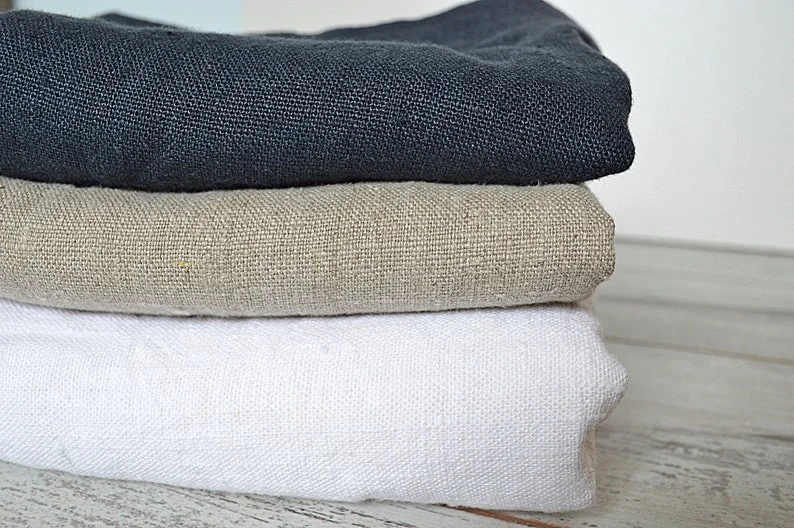
1. What does slow fashion mean for fabric sourcing?
Slow fashion prioritises considered design, responsible purchasing, product longevity, repairability and more transparent supply chains. It challenges brands to reduce unnecessary overproduction and to make material and production decisions with the garment’s full life cycle in mind.
For a fabric buyer, this means asking questions before placing an order:
- Is the fibre composition accurately identified?
- Can the supplier explain where the fabric is woven, dyed and finished?
- Are workers and production partners treated fairly?
- Are water, energy and chemical practices documented?
- Will the fabric support a durable garment that customers can care for?
- Can the supplier provide evidence for environmental or social claims?
Slow fashion is not simply a fabric category. It is a set of design, sourcing, production and business decisions.
2. Bhagalpur’s textile heritage and its relevance to conscious brands
Bhagalpur in Bihar is widely recognised for its silk-weaving tradition, particularly Tussar-related textiles. Buyers exploring the region may also enquire about Ghicha, Muga-related fabrics, cotton, linen and selected blends through suppliers and production networks.
Regional heritage can add context to a product story, but it does not prove that every fabric is handloom-woven, locally produced at every stage or made under a particular environmental or labour standard. Verify the actual production route for the fabric you intend to purchase.
Ask whether the supplier owns the production facility, coordinates independent weavers, sources from mills or works through several processing partners. Understand who is responsible for weaving, dyeing, finishing, quality control and export documentation.
3. Natural fibres: useful materials, not automatic sustainability guarantees
Linen, cotton and silk are natural fibres, but natural origin alone does not establish that a fabric has a lower environmental impact than another material. Farming or fibre production, processing, dyeing, finishing, transport, durability and disposal all contribute to the overall picture.
| Material | Potential apparel characteristics | Questions for responsible sourcing |
|---|---|---|
| Linen | Distinctive texture, characteristic creasing and a range of weights for shirts, dresses and relaxed tailoring. | Fibre origin, retting and processing information where available, dyeing, finishing, shrinkage and durability. |
| Cotton | Versatile woven constructions for shirts, dresses, tops and casual apparel. | Conventional or certified-organic status, agricultural inputs where documented, processing chemistry, water and energy practices. |
| Tussar silk | Textured silk options for statement garments and premium apparel. | Species and origin claims, cocoon and yarn process, reeling or spinning method, traceability and worker conditions. |
| Ghicha silk | Often associated with spun silk yarns and a distinctive irregular surface. | Fibre composition, source of silk waste or short fibres where claimed, spinning process and product consistency. |
| Blends | Can combine different hand feels, drape, strength or price characteristics. | Exact fibre percentages, separation or recycling implications, labelling and verification. |
Do not label a fabric organic, recycled, biodegradable, low-impact or ethically made unless the claim is accurate and supported by suitable evidence.
4. Tussar silk: understand the fibre and production story
Tussar is a group of non-mulberry silks associated with particular silkworm species and regions. The term is used across different commercial contexts, so buyers should ask for the precise silk type, origin and fibre composition. A trade name alone does not establish a verified geographic origin or a particular harvesting practice.
Before describing Tussar as wild-harvested, forest-friendly or biodiversity-supporting, request evidence about the species, cocoon sourcing, rearing or collection system and processing route. Do not assume that all Tussar production follows the same method.
For apparel, evaluate the fabric’s weight, texture, drape, opacity, colourfastness and care needs. Explore Tussar silk fabric.
5. Ghicha silk: clarify what the name means for your order
Ghicha is commonly associated with spun silk yarns made from shorter or unreelable silk fibres, although commercial usage and blends can vary. The texture may be irregular, but the exact appearance and composition depend on the yarn and construction.
Ask whether the fabric is 100% silk or a blend, how the yarn is produced, what the base construction is and whether the same character can be repeated in a later order. Avoid describing every Ghicha fabric as waste-free, zero-waste or automatically more sustainable without process evidence.
Explore Ghicha silk fabric.
6. Linen and cotton for durable everyday wardrobes
Linen and cotton can be used in long-wearing apparel when the fibre, construction, garment design and care instructions are appropriate. Linen’s characteristic creasing may suit relaxed silhouettes, while cotton offers a broad choice of woven textures and finishes.
Durability is not guaranteed by fibre name alone. It depends on yarn quality, fabric construction, garment pattern, seam design, finishing, care and frequency of use. A durable garment can support slower consumption, but it should be tested in the intended use conditions.
- Choose a construction that supports the garment’s stress points and intended fit.
- Test dimensional stability and colourfastness using the planned care method.
- Assess seam strength, abrasion or pilling where relevant to the product.
- Provide clear care information so customers can maintain the garment.
- Consider repairability, spare buttons and accessible alterations in product design.
Explore linen fabrics and cotton fabrics.

7. Handloom and powerloom: compare the process, not the label
Handloom weaving and powerloom weaving use different production methods. Handloom production can involve skilled manual work and may use less direct electricity at the weaving stage than a powered loom, but total environmental impact also depends on yarn preparation, dyeing, finishing, buildings, transport and other processes.
Powerloom production is not automatically low quality or environmentally irresponsible. Modern machinery can support consistent output and may be appropriate for particular constructions and order volumes. Buyers should evaluate the actual fabric and production system rather than assuming one method is always superior.
| Factor | Handloom | Powerloom |
|---|---|---|
| Weaving method | Manual operation of the loom by a weaver. | Mechanically powered loom operation. |
| Production characteristics | May show individual variation depending on skill and process. | Can support repeatability and larger production runs, depending on setup. |
| Energy at weaving stage | Typically limited direct loom electricity, but other stages still use resources. | Uses electricity to operate machinery; actual energy intensity varies. |
| Quality assessment | Must be measured against agreed specifications and sample. | Must be measured against agreed specifications and sample. |
| Responsible sourcing | Verify artisan conditions, payment, production and material processing. | Verify worker conditions, energy, maintenance, processing and material sourcing. |
For more detail, read Handloom vs Powerloom Fabrics: A Guide for International Buyers.
8. What ethical production should mean in practice
Ethical sourcing should go beyond a story about traditional craft. Buyers should understand the people and businesses involved in each stage and how working conditions are managed.
Questions to ask suppliers
- Who performs the weaving, dyeing, finishing and other processing?
- Are workers employees, independent artisans, subcontractors or members of cooperatives?
- How are rates and payment terms agreed and communicated?
- Are working hours, health and safety and grievance processes addressed?
- Are women and home-based workers included, and what evidence supports any empowerment claim?
- Can the supplier explain how subcontracting is monitored?
Do not assume that family-based, rural or home-based production is automatically fair. A responsible buyer seeks transparent information and looks for credible evidence of fair treatment throughout the supply chain.
9. Fair wages and artisan livelihoods: avoid unsupported numbers
Buying from a weaving cluster does not by itself prove that every artisan receives a fair wage. Payment can vary by product, skill, production time, raw material, order terms and the structure of the supply chain.
If a brand wants to communicate that its purchase supports fair wages or rural livelihoods, it should understand how payment reaches the people doing the work. Useful evidence may include supplier payment policies, purchase records, worker interviews conducted responsibly, wage benchmarks and independent assessments.
Be careful with claims about the number of weavers, women-led units or cooperatives. Use current, credible sources and define the geographic and organisational scope rather than repeating broad cluster-wide figures without verification.
10. Water, energy and chemical management
Weaving is only one stage in textile production. Dyeing, washing, printing, bleaching and finishing may use significant water, energy and chemicals depending on the process. A handloom fabric can still have a resource-intensive dyeing or finishing stage.
Ask suppliers which processes are performed in-house and which are outsourced. Where available, request information about:
- Water sourcing, consumption and reuse practices.
- Wastewater treatment and discharge controls.
- Energy sources and consumption at relevant production stages.
- Chemical inventory and restricted-substance management.
- Use of dyes, auxiliaries and finishing agents.
- Waste, offcuts, defective material and packaging management.
Do not describe a fabric as naturally dyed, chemical-free, water-efficient or zero-waste unless the exact process and claim can be substantiated. “Chemical-free” is particularly misleading because all material substances are chemicals; a more useful claim identifies the restricted substances tested or the process standard followed.
11. Traceability: know what can actually be traced
Traceability can mean different things. A supplier may know the weaving unit but not the fibre farm, or may know the yarn supplier but not the origin of the raw fibre. Brands should describe the level of traceability honestly.
| Traceability level | Evidence to request |
|---|---|
| Fibre | Fibre supplier records, origin documentation or certification where applicable. |
| Yarn | Yarn invoices, supplier identity, composition and batch details. |
| Weaving | Mill or weaver identity, production location and order records. |
| Dyeing and finishing | Processor details, process records and relevant test reports. |
| Finished fabric lot | Lot number, quantity, inspection records and approved sample reference. |
Traceability is strongest when records connect each stage to the specific fabric lot being purchased. A general supplier statement is not the same as a documented chain of custody.
12. Certifications: understand what each one proves
Certifications and standards can help buyers evaluate defined aspects of a product or supply chain, but they are not interchangeable. Some schemes focus on organic fibre processing, others on harmful substances, environmental management, social responsibility or chain of custody.
- GOTS: applies to qualifying organic textile products and defined processing and chain-of-custody criteria. Verify the certified entity, product scope and transaction documentation.
- OEKO-TEX STANDARD 100: tests textile articles for specified harmful substances within its certification framework. It is not proof that the entire supply chain is sustainable or ethical.
- OEKO-TEX STeP: addresses sustainability performance at qualifying production facilities under its scheme.
- Fairtrade or other social schemes: apply to specific standards, products and supply-chain arrangements. Confirm whether the exact fabric and producers are covered.
- ISO management-system certificates: relate to the defined management system and scope; they do not automatically certify every product as sustainable.
13. EU and international chemical compliance
Textile brands selling into the European Union should assess relevant chemical restrictions, including applicable provisions under REACH. Requirements depend on the substance, concentration, article, intended use and current legal text. Other destination markets may have their own rules and buyer-specific restricted-substance lists.
Before production, share the buyer’s restricted-substance requirements and agree on relevant test methods, sample selection and acceptance limits. A generic “AZO-free” statement is not a substitute for a suitable test report. Similarly, one test report does not prove compliance with every chemical requirement.
For EU textile fibre names and composition, review the applicable requirements under Regulation (EU) No 1007/2011, including scope and exemptions. Brands should also assess product safety, consumer information and any other obligations relevant to their role in placing products on the market.
14. Designing for durability, repair and longer use
One of the most practical ways to support slow fashion is to design garments people can wear and maintain for longer. Fabric choice is important, but garment construction, fit, care, repair and timelessness also influence useful life.
- Choose fabric weight and construction appropriate to stress points and intended use.
- Test seams, buttons, zips, hems and other components.
- Use care instructions supported by actual wash or cleaning tests.
- Design garments so common repairs and alterations are practical.
- Consider spare buttons, repair guidance or local repair partnerships.
- Avoid overcomplicated trims that make repair or material separation difficult.
Do not claim that a fabric “improves with every wash” as a universal fact. Some fabrics may soften; others may shrink, fade, weaken or change shape. Test the exact product under the care conditions customers will use.
15. Responsible packaging and transport
Packaging and freight contribute to a product’s overall impact. Buyers can discuss packaging that protects fabric adequately while avoiding unnecessary material, but should not compromise moisture protection or shipment safety.
Ask for details about packaging materials, recycled content claims, recyclability in the destination market and whether packaging can be reduced or consolidated. Freight choices should consider shipment size, urgency, route and total logistics impact. Air freight may be justified for urgent samples but should not be assumed to be the lowest-impact option for routine bulk orders.
16. MOQ and slow-fashion production planning
Slow fashion often involves smaller, considered collections, but small order quantities are not automatically available for every fabric. MOQ depends on stock, yarn procurement, loom setup, colour, dyeing lot, custom weaving, printing and embroidery.
Ask suppliers to distinguish sample quantities, ready-stock minimums and custom-development minimums. Confirm whether MOQ applies per colour, design or construction. Plan colour and style assortment carefully to reduce unused inventory while ensuring the supplier can meet the technical requirements.
17. Quality and testing for responsible fabric purchases
Durability claims should be based on relevant testing and realistic use conditions. Agree on the test method and acceptance limit before placing the bulk order.
| Check | Why it matters |
|---|---|
| Fibre composition | Supports accurate product descriptions, labelling and material claims. |
| GSM and width | Confirms the fabric matches the approved technical specification. |
| Dimensional stability | Helps assess shrinkage or growth after the intended care process. |
| Colourfastness | Assesses colour change or transfer under relevant use conditions. |
| Strength and seam performance | Helps assess suitability for the garment and stress points. |
| Surface appearance | Checks pilling, abrasion, slubs or defects according to the product brief. |
| Chemical testing | Addresses specific legal, buyer or certification requirements. |
For more information, read the fabric GSM guide and the guide to certifications and compliance for Indian fabric exports.
18. How brands can evaluate a supplier’s ethical and environmental claims
- Write down the exact claim you want to make about the fabric or product.
- Identify which supply-chain stages the claim covers.
- Ask the supplier for records, certificates, test reports or other evidence.
- Check that documents are current and apply to the right product, facility and transaction.
- Identify gaps and use narrower wording where evidence is incomplete.
- Keep supporting evidence and review it when suppliers or materials change.
For example, “woven on a handloom at [verified location]” is a narrower factual statement than “zero-carbon sustainable fabric.” The latter requires much broader evidence and a defined methodology.
19. Why consider Weaveify for Bhagalpur fabric enquiries?
Weaveify is a Bhagalpur-based textile business working with apparel fabric enquiries and international buyers. Brands can discuss silk, linen, cotton and selected fabric developments, subject to current availability and production feasibility. For each product, buyers should confirm the fibre composition, actual production route, sample, MOQ, quality requirements, payment terms and delivery arrangements.
Weaveify’s fabric range includes options across silk, linen, cotton, printed fabrics and embroidered fabrics. Availability and specifications should be confirmed for each enquiry.
Learn more about Weaveify or review the infrastructure information.
20. A practical checklist for slow-fashion buyers
- Confirm fibre composition and any origin claim.
- Identify the weaving, dyeing and finishing locations.
- Understand whether production is handloom, powerloom or a combination.
- Ask who performs each production stage and how workers are engaged.
- Request evidence for organic, recycled, low-impact or ethical claims.
- Review certificates for scope, validity and product coverage.
- Agree on chemical testing and restricted-substance requirements.
- Approve a physical sample and written specification.
- Test durability, shrinkage, colourfastness and care performance where relevant.
- Plan MOQ and quantities to avoid unnecessary overproduction.
- Confirm packaging, freight and delivery responsibilities.
- Keep records that support the claims used in product marketing.
Frequently asked questions
1. Are fabrics from Bhagalpur automatically sustainable?
No. The place of manufacture and the use of natural fibres or handloom weaving do not by themselves prove sustainability. Buyers should assess fibre production, processing, dyeing, finishing, labour, transport and durability.
2. Which fabrics can slow-fashion brands explore from Bhagalpur?
Depending on supplier availability, buyers may enquire about Tussar silk, Ghicha silk, other silk fabrics, cotton, linen and selected blends. Verify exact composition and production route.
3. Is handloom weaving environmentally friendly?
Handloom weaving may use less direct electricity at the weaving stage than a powered loom, but the full impact also includes yarn, dyeing, finishing, transport and other stages. Evidence is needed for broad environmental claims.
4. Does handloom production guarantee fair wages?
No. Fair payment depends on the commercial arrangement and how payments reach the artisans. Ask for transparent information and supporting evidence about payment practices and working conditions.
5. Is Tussar silk wild-harvested?
Tussar is associated with non-mulberry silks, but sourcing and rearing practices can vary. Verify the species, cocoon origin and production method before making a wild-harvest or biodiversity claim.
6. Is Ghicha silk made from silk waste?
Ghicha is commonly associated with spun silk yarn made from shorter or unreelable fibres, but commercial definitions and blends vary. Confirm the exact composition and yarn process for the fabric being purchased.
7. Is linen more sustainable than cotton?
There is no universal answer. Environmental performance depends on cultivation, processing, dyeing, finishing, durability, use and end-of-life. Compare credible product-specific evidence rather than relying on fibre labels alone.
8. Are natural dyes always safer and better for the environment?
Not automatically. Impact depends on dye source, mordants, processing, water use, wastewater treatment and colour performance. Ask for process information and relevant test evidence.
9. Can a fabric be called zero-waste?
Only when the claim is defined and supported by evidence about material use, production waste and what happens to offcuts or residues. A handloom process or irregular yarn does not prove zero waste.
10. What does traceable fabric mean?
Traceability means records connect a product to one or more supply-chain stages. Ask whether the supplier can trace fibre, yarn, weaving, dyeing and finishing, and describe any gaps honestly.
11. What certifications should slow-fashion brands request?
It depends on the claim and buyer requirement. GOTS, OEKO-TEX schemes and other standards have different scopes. Verify the current certificate, holder, site, product coverage and transaction documents.
12. Is OEKO-TEX proof that a fabric is fully sustainable?
No. OEKO-TEX STANDARD 100 focuses on testing for specified harmful substances under its scheme. It does not certify every environmental or social aspect of the supply chain.
13. Is GOTS a certificate for every natural fabric?
No. GOTS applies to qualifying organic textile products and defined processing and chain-of-custody criteria. A natural fibre or a supplier’s general certificate does not automatically make every product GOTS-certified.
14. Does REACH apply to fabrics sold in Europe?
Relevant REACH restrictions can apply to substances in textile articles. The exact requirement depends on the substance, concentration, article and use. Brands should assess current requirements and request appropriate evidence.
15. How can brands check fair labour practices?
Ask who performs each production stage, how workers are engaged and paid, what health and safety practices apply and how subcontractors are monitored. Independent assessments may be appropriate for higher-risk supply chains.
16. Does a durable fabric automatically create a sustainable garment?
No. Durability helps only when the garment is well designed, used, cared for and kept in service. Fit, construction, repairability, care and customer behaviour also matter.
17. Can slow-fashion brands place small fabric orders?
MOQ depends on stock, yarn, colour, weaving, dyeing and customisation. Ask for separate minimums for samples, ready stock and custom development.
18. What quality tests should buyers consider?
Depending on end use, consider composition, GSM, width, shrinkage, colourfastness, strength, seam performance, surface appearance and chemical testing. Define methods and acceptance limits in advance.
19. How can a brand avoid greenwashing?
Use specific, verifiable claims; check certificate scope; retain test and traceability records; avoid unsupported words such as “zero impact” or “fully sustainable”; and update claims when suppliers or materials change.
20. How can I enquire about fabrics from Weaveify?
Share the fabric type, composition, construction, GSM, width, colour, finish, quantity, intended apparel use, destination and evidence or testing requirements through the Weaveify contact page.
Build a more considered fabric supply chain
Tell Weaveify about your fabric, garment application, quantity, destination and sourcing standards. We can review the enquiry and discuss available silk, linen, cotton and selected apparel fabric options from Bhagalpur.
Contact Weaveify about responsible fabric sourcing · Explore apparel fabrics
Buyer note: Sustainability, ethical-production, origin, certification and traceability claims must be supported by evidence relevant to the specific product, facility and supply-chain stage. Fabric availability, MOQ, price, testing and delivery are order-specific. Buyers should verify current legal and voluntary requirements in each destination market before making product claims or placing orders.