
Weaveify · Bhagalpur, India · European designer sourcing guide
How European Designers Can Use Bhagalpur Silk and Linen in Premium Fashion Collections
Premium collections are built through thoughtful material choices, strong design direction and consistent execution. Bhagalpur is widely recognised for its silk-weaving heritage, while designers exploring Indian textile sourcing may also enquire about linen, cotton and selected blended fabrics. Tussar, Ghicha and Muga-related silks can bring distinctive texture to statement pieces; linen can support relaxed tailoring and warm-weather apparel.
The opportunity for European designers: use distinctive fabric surfaces, carefully selected weights and considered garment construction to create collections with a clear material identity. Silk and linen can play different roles—from statement dresses and evening separates to shirts, dresses, relaxed tailoring and capsule wardrobe essentials.
A sourcing principle: do not equate a fabric’s place of origin, handloom status or natural fibre content with automatic sustainability, ethical production or traceability. Confirm the actual production route and obtain evidence for any claim your brand plans to make.
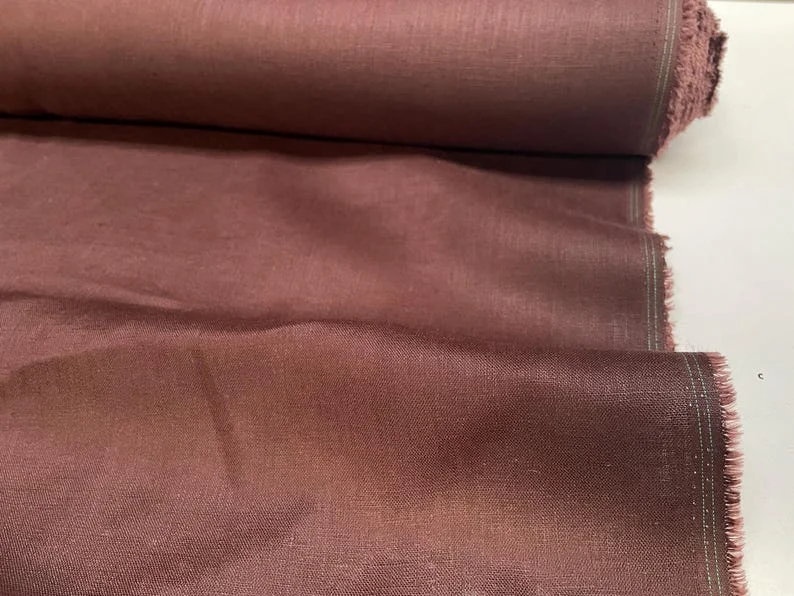
1. Why explore Bhagalpur fabrics for premium European fashion?
Bhagalpur, in Bihar, is strongly associated with silk weaving and textile craftsmanship. Designers interested in material-led collections may explore fabrics connected with the region’s silk tradition, while also enquiring about linen, cotton and blends through appropriate suppliers and production networks.
For a European label, the value of a fabric should be assessed through its actual characteristics: fibre composition, yarn, construction, weight, texture, drape, colour, finish, performance and consistency. Heritage and regional identity can enrich a product story, but only when the sourcing information is accurate and verifiable.
- Distinctive surfaces and textures for design-led garments.
- Different fabric weights for statement and everyday apparel.
- Opportunities to develop colour, weave and finish around a collection concept.
- A sourcing conversation that can connect material selection with the intended garment and customer.
2. Bhagalpur silk for statement and occasionwear
Bhagalpur is particularly associated with Tussar silk and related silk textiles. Buyers may also enquire about Ghicha silk and Muga or Tussar-Muga blends, depending on the supplier’s range and ability to verify the requested composition.
Silk fabrics can be considered for occasionwear, statement dresses, jackets, skirts, scarves, stoles, special separates and couture-inspired capsule pieces. The correct construction depends on the silhouette, required drape, structure, opacity, surface and care expectations.
Silk varieties designers may explore
Tussar silk
Often valued for its characteristic texture and natural-looking surface. Ask whether the yarn is reeled or spun and specify the exact composition and construction.
Ghicha silk
Commonly associated with spun silk yarns made from shorter or unreelable silk fibres. Texture and composition can vary, so request precise product details.
Muga silk
Known for its association with Assam and its distinctive natural golden appearance. Confirm authenticity, origin and fibre composition for any product sold as Muga.
3. Designing garments around silk texture and drape
Silk fabrics do not all behave alike. Yarn form, weave, weight, finishing and construction affect the way a fabric falls, holds shape, responds to pressing and performs in a garment. A textured silk that works beautifully for a structured jacket may not be the best choice for a fluid bias-cut dress.
Before selecting the fabric, consider:
- Silhouette: fluid, fitted, structured, layered or draped.
- Opacity: whether lining, layering or a different construction is needed.
- Weight and handle: how the fabric behaves during cutting, stitching and wearing.
- Seam performance: seam slippage, fraying, needle marks and pressing response.
- Care: washing, dry-cleaning, steaming and storage requirements.
Request enough sample metreage for a toile or prototype when garment engineering is important. A small swatch is useful for first review but may not reveal all production and sewing behaviours.
4. Linen for premium contemporary collections
Linen is widely used in European apparel for its recognisable texture and relaxed character. Depending on yarn and construction, it can suit shirts, blouses, dresses, trousers, co-ord sets, overshirts, tunics, resortwear and relaxed tailoring.
Design characteristics to consider
- Natural-looking surface texture and possible yarn slubs.
- Characteristic creasing, which may be part of the intended aesthetic.
- Different weights and constructions for soft drape or more structured silhouettes.
- Compatibility with selected dyeing, printing and embroidery processes, subject to testing.
Linen is not automatically crease-resistant, pre-shrunk or easy-care. Performance depends on fibre, yarn, construction and finishing. Test dimensional stability and care behaviour using the intended process before finalising product descriptions and labels.
Explore Weaveify linen fabrics.

5. Silk and linen: giving each fabric a clear role in one collection
Silk and linen can complement each other in a collection because they offer different visual and tactile qualities. A designer might use linen for the core wardrobe and silk for selected accent or occasion pieces. This approach can create variety while maintaining a consistent colour story and design language.
| Collection role | Possible fabric direction | Design checks |
|---|---|---|
| Core shirts and blouses | Linen or a verified linen blend | Opacity, crease behaviour, collar support and laundering. |
| Relaxed dresses | Linen, cotton or selected silk constructions | Drape, lining, movement, shrinkage and seam stability. |
| Statement separates | Tussar, Ghicha or other silk options | Surface character, weight, texture consistency and sewing. |
| Evening and occasion pieces | Suitable silk or sheer constructions | Opacity, support, lining, embellishment and care. |
| Scarves and accessories | Selected lightweight silk or linen fabrics | Handle, edge finishing, colourfastness and dimensions. |
| Co-ordinated capsule | A considered mix of linen and silk | Colour harmony, fabric availability and repeat-order planning. |
6. Build a premium capsule collection with a focused fabric plan
A capsule collection usually relies on a limited number of coordinated pieces that can be worn in multiple combinations. The fabric plan should support the design concept while keeping sourcing and inventory manageable.
- Define the customer, season, price positioning and design story.
- Select a small number of base constructions for core garments.
- Choose accent fabrics for statement pieces and special details.
- Develop a coordinated palette and approve physical shade standards.
- Test prototypes and revise fabric choices before bulk commitment.
- Check supplier capacity and availability before promising repeat collections.
Do not assume a fabric can be repeated indefinitely in exactly the same shade or construction. Yarn availability, dye lots, artisan processes and production scheduling can affect repeatability. Agree on realistic tolerances and keep approved reference samples.
7. Colour, dyeing, printing and embroidery development
Premium collections often depend on carefully controlled colour and finish. Share colour standards and artwork rather than relying only on screen images. Monitor how dyeing, printing or embroidery changes the base fabric’s hand feel, weight, width and drape.
For colour development, request a lab dip or physical shade sample. For printing, approve a strike-off showing repeat scale, placement and colour. For embroidery, approve a swatch or sample panel with the intended stitch density, thread, backing and placement.
Explore printed fabrics and embroidered fabrics.
8. Selecting GSM, width and construction for the design
GSM (grams per square metre) measures fabric mass per unit area. It is useful when specifying fabric, but it does not independently determine quality, warmth, breathability or drape. Fibre, yarn, weave, density and finishing all contribute to performance.
Specify target GSM alongside usable width, construction and tolerances. If the design is sensitive to drape or opacity, compare physical samples at more than one weight. A garment prototype is often the best way to assess whether the fabric works.
Read the fabric GSM guide for international buyers for more detail.
9. Sustainability and responsible sourcing: evidence before storytelling
The original article associates Bhagalpur handloom and natural-fibre fabrics with low-impact production and ethical value. Those outcomes should not be assumed from the place of manufacture, the use of a natural fibre or the presence of handloom weaving alone.
Environmental and social performance depends on the full supply chain: fibre cultivation or production, yarn processing, dyeing, finishing, energy and water use, chemical management, working conditions, transport, durability and end-of-life. Brands should make claims only when they have appropriate evidence for the specific product and scope.
Evidence European buyers can request
- Fibre composition and documented origin where origin claims are made.
- Valid certification documents with clear scope, validity and covered facilities or products.
- Relevant chemical or restricted-substance test reports.
- Information about dyeing, finishing and wastewater controls where available.
- Supplier policies or records relating to labour and workplace practices.
- Traceability information that supports the exact claim used in marketing.
10. European Union regulatory considerations for textile buyers
EU requirements depend on the product, fibre, intended use, chemicals and the role of each business in placing the product on the market. Buyers should check current legal obligations before production and again before import or sale, as rules and guidance can change.
Fibre composition and textile labelling
EU textile fibre-name and composition rules are set out in Regulation (EU) No 1007/2011, subject to its scope and exemptions. Ensure the fibre names and percentages used in product descriptions and labels are accurate and supported by reliable supplier information or testing where necessary.
Chemical restrictions
REACH restrictions can apply to certain substances in textiles and other consumer articles. The applicable requirements depend on the substance, concentration, article and use. Buyers should define relevant restricted-substance requirements and request suitable test evidence rather than relying on a generic “chemical-free” or “AZO-free” statement.
General product safety and responsible business practices
Depending on the product and business role, the EU General Product Safety Regulation and other product-specific requirements may be relevant. Importers and brands should assess their obligations, documentation, traceability and risk-management responsibilities with qualified compliance support.
Voluntary certifications and buyer standards
OEKO-TEX, GOTS and other schemes are not universal legal entry certificates for every textile shipment. They have defined scopes and criteria. Check the current standard, certificate holder, product coverage, transaction documents and validity. Do not claim certified status for a product unless the certification actually covers it.
11. Quality assurance for premium fabric orders
Premium positioning depends on consistent execution. Before bulk production, define the approved sample, technical specification, inspection procedure and acceptable tolerances. Quality requirements should match the fabric and garment application.
| Parameter | What to define |
|---|---|
| Fibre composition | Fibre names, percentages and verification method where required. |
| GSM and width | Target values, test method and acceptable tolerances. |
| Colour | Approved physical standard and acceptable shade variation. |
| Construction | Weave, yarn details and visual characteristics. |
| Appearance | Defect classification, inspection method and acceptance criteria. |
| Performance | Relevant shrinkage, colourfastness, strength or other tests. |
| Finishing | Handle, width, surface, pressing and care performance. |
Consider independent laboratory testing or third-party inspection when the order value, buyer standard or destination requirement justifies it. Agree on the method, sample selection, acceptance limits, cost and procedure for non-conforming goods before production.
12. MOQ and production planning for designer labels
Minimum order quantities are supplier- and product-specific. They depend on stock, yarn procurement, weaving setup, colour, dyeing lot, custom construction, printing, embroidery and the amount of development required.
Ask separately for sample metreage, ready-stock quantities, custom colour minimums, custom weave minimums and repeat-order conditions. Confirm whether the minimum applies per colour, design or construction. Do not rely on a general claim of “small MOQ” without a written quantity for the actual fabric.
For a new collection, a smaller number of carefully selected constructions and colours may make sampling and quality control easier. Confirm that any planned repeat production is feasible before launching a product that depends on continuous replenishment.
13. Pricing and cost planning for European buyers
Fabric pricing depends on fibre and yarn, construction, width, GSM, production method, dyeing, finishing, printing, embroidery, quantity, inspection and packing. A premium silk and a linen fabric cannot be compared on price alone without matching specifications.
Ask for the unit price, currency, quantity basis and included processes. Separately identify sampling, packing, inland transport, export handling, freight, insurance, customs duty, import VAT and any testing or brokerage costs. The final landed cost depends on tariff classification, origin rules, shipment value and the buyer’s import arrangement.
When comparing supplier offers, align the specification and Incoterm first. A low ex-works price may not represent the lowest total cost after collection, export handling and logistics.
14. Shipping fabrics from Bhagalpur to Europe
Commercial shipments need inland movement from the production or consolidation location to an appropriate airport, seaport or logistics hub. The best route depends on cargo volume, destination, freight service and timing. Do not assume one port or transit time applies to all orders.
- Courier: useful for swatches and small sample parcels, subject to customs requirements.
- Air freight: may suit urgent or smaller commercial consignments.
- Sea freight LCL: may suit cargo consolidated with other shipments.
- Sea freight FCL: may suit larger consignments where a full container is appropriate.
Ask the forwarder for the full route, estimated transit, cut-off dates, origin and destination charges, customs handling, insurance and delivery scope. Clarify whether the quote is port-to-port or door-to-door.
15. Incoterms and delivery responsibilities
Incoterms® 2020 rules allocate certain delivery obligations, costs and risks between buyer and seller. The correct rule depends on the mode of transport and named delivery point. State the exact named place or port and the version in the purchase order.
| Term | General use | Buyer should confirm |
|---|---|---|
| EXW | Goods made available at the named seller location. | Collection and export-clearance capability and responsibilities. |
| FCA | Seller delivers to the carrier or nominated party at the named place. | Exact handover point and export clearance arrangement. |
| FOB | Sea or inland waterway term; delivery occurs when goods are on board the vessel. | Named port and suitability for the shipment type. |
| CIF | Sea or inland waterway term; seller arranges cost, insurance and freight to named port, with risk transferring earlier. | Insurance scope, destination charges and risk-transfer point. |
| CPT / CIP | Seller pays carriage to named destination; CIP includes specified insurance. | Carrier handover point and insurance requirements. |
| DAP | Seller delivers to named destination ready for unloading; buyer handles import clearance. | Import duties, taxes and unloading responsibilities. |
| DDP | Seller takes on delivery with import clearance and duties paid, where legally and practically possible. | Seller’s ability to meet EU import and tax obligations. |
FOB and CIF are designed for sea and inland waterway transport. For containerised or multimodal shipments, FCA, CPT or CIP may be more appropriate depending on the actual handover and transport contract. Obtain professional advice if the allocation of risk or import obligations is unclear.
16. Working with suppliers: a transparent sourcing relationship
“Direct from weavers” or “direct from mill” should be a factual description of the production route. Some suppliers own facilities; others coordinate independent weaving units, mills, processors or artisan groups. A sourcing partner can provide value through product development, consolidation, communication, inspection and export coordination.
Ask who performs each production stage, who owns the goods at each stage, who invoices the buyer and who is responsible for defects or delays. Keep technical approvals and commercial commitments in writing. Transparency is more useful than an unverified claim that there are no intermediaries.
17. How to prepare a sourcing brief for Weaveify
To receive a meaningful response, send a brief that connects the fabric to your collection and commercial plan.
- Brand name, website and type of business.
- Collection concept, target customer and season.
- Fabric category: Tussar, Ghicha, Muga-related silk, linen, cotton or blend.
- Fibre composition, weave, target GSM and finished width.
- Colour, finish, print or embroidery requirements.
- Garment application and any technical performance needs.
- Quantity by colour or design and expected repeat volume.
- Sample metreage, testing and inspection requirements.
- Destination country, delivery location and target schedule.
18. Why discuss your collection with Weaveify?
Weaveify is a Bhagalpur-based textile business working with apparel fabric enquiries and international buyers. European designers can discuss silk, linen, cotton and selected value-added fabric developments, subject to current availability and production feasibility. The exact composition, sample, MOQ, price, quality requirements, payment terms and delivery arrangements should be confirmed for each order.
Explore the fabric collections, view silk fabrics and linen fabrics, or learn more about Weaveify.
Frequently asked questions
1. Why should European designers explore Bhagalpur silk?
Bhagalpur has a recognised silk-weaving heritage and offers a sourcing context for distinctive silk textiles. Designers should evaluate each fabric’s actual composition, construction, texture, quality and supplier capability.
2. Which Bhagalpur silk types can premium brands enquire about?
Buyers may enquire about Tussar, Ghicha and Muga-related fabrics, subject to availability and accurate verification of fibre type and origin. Ask for precise specifications rather than relying on the trade name alone.
3. Is Bhagalpur silk suitable for eveningwear?
Some silk constructions may suit eveningwear, statement dresses, jackets or special separates. Suitability depends on weight, drape, opacity, surface, lining and garment construction. Prototype the design before bulk production.
4. Can Bhagalpur linen be used for European capsule collections?
Linen may be suitable for shirts, dresses, trousers, co-ord sets and relaxed tailoring. Check the exact fibre content, GSM, width, crease behaviour, shrinkage and repeat-order availability.
5. Can silk and linen be combined in one collection?
Yes. Designers can use linen for core pieces and silk for accent or occasion garments, provided the colours, material story and quality standards are coordinated.
6. Is every Bhagalpur fabric handloom-woven?
No. Production methods vary by product and supplier. Ask whether the specific fabric is handloom- or powerloom-woven and confirm where weaving and finishing take place.
7. Does handloom automatically mean sustainable?
No. Overall impact depends on fibre, yarn processing, dyeing, finishing, energy, water, labour conditions, transport and product life. Verify the evidence behind any sustainability claim.
8. Are natural fibres automatically eco-friendly?
No. Natural fibre origin alone does not establish low environmental impact or ethical production. Brands should assess the full supply chain and substantiate specific claims.
9. What is the right GSM for premium linen shirts?
There is no universal ideal GSM. Select based on opacity, drape, climate, design, desired structure and care performance. Compare physical samples and make a prototype.
10. Can Weaveify develop custom colours or fabric weights?
Custom development depends on the requested construction, materials, production capability and MOQ. Share target values and colour references, then approve a development sample.
11. Can designers request printed or embroidered silk and linen?
Selected base fabrics may be suitable for printing or embroidery, depending on process capability. Provide artwork and placement details and approve a strike-off or embroidery sample before bulk production.
12. What MOQ should a European designer expect?
MOQ varies by stock, yarn, weave, colour, finishing and customisation. Request separate minimums for samples, ready stock and custom development; do not assume a general small-MOQ claim applies to every item.
13. Can I order samples before bulk production?
Ask for swatches or sample metreage. Confirm sample charges, courier cost and whether the sample reflects the intended bulk composition, colour and finish.
14. Which quality tests should premium buyers consider?
Depending on end use, consider fibre composition, GSM, width, shrinkage, colourfastness, strength, seam performance and appearance inspection. Agree on methods and acceptance limits in advance.
15. Is OEKO-TEX mandatory for every EU fabric import?
No. OEKO-TEX is a voluntary certification scheme, not a universal legal import certificate for every textile. Check the buyer’s requirements and verify certificate scope and validity.
16. Does REACH apply to textiles?
REACH restrictions can apply to certain substances in textiles and other articles. The applicable provisions depend on the substance, concentration, product and use. Confirm relevant requirements and testing with compliance specialists.
17. What fibre labelling rules apply in the EU?
EU textile fibre-name and composition requirements are principally set out in Regulation (EU) No 1007/2011, subject to scope and exemptions. Ensure fibre names and percentages are accurate and verified where necessary.
18. How are fabrics shipped from Bhagalpur to Europe?
Goods require inland transport to a suitable logistics hub and then air or sea freight. Route and transit depend on cargo volume, destination, service and forwarder. Request a shipment-specific quotation.
19. How can a brand estimate landed cost?
Include fabric price, sampling, packing, inland transport, export handling, freight, insurance, customs duty, import VAT, brokerage and testing. Confirm tariff classification and origin rules with a customs professional.
20. How can I request a fabric quotation from Weaveify?
Send your fabric category, composition, GSM, width, weave, colour, finish, quantity, garment application, destination and sample requirements through the Weaveify contact page.
Develop a premium collection with Indian silk and linen
Share your design direction, fabric specifications, sample needs, target quantities and destination. Weaveify can review your enquiry and discuss suitable sourcing or development options from Bhagalpur.
Contact Weaveify about your collection · Explore apparel fabrics
Buyer note: Fabric availability, composition, MOQ, price, lead time, testing, certification and shipping are specific to each product and transaction. Confirm details in a written quotation and purchase agreement. EU importers and brands should verify current legal obligations, tariff classification, origin rules, chemical restrictions and labelling requirements with qualified compliance or customs professionals.