
Why Bhagalpur Is a Distinctive Place to Source Silk, Linen & Cotton Fabrics
Bhagalpur in Bihar is widely associated with silk weaving and is often called the Silk City of India. For international buyers, its appeal is not limited to one fabric category. The wider regional textile ecosystem offers access to silk varieties, cotton fabrics and linen-based options through different weaving and supply channels. The opportunity is meaningful—but successful sourcing depends on matching the right supplier, construction and specifications to your collection.
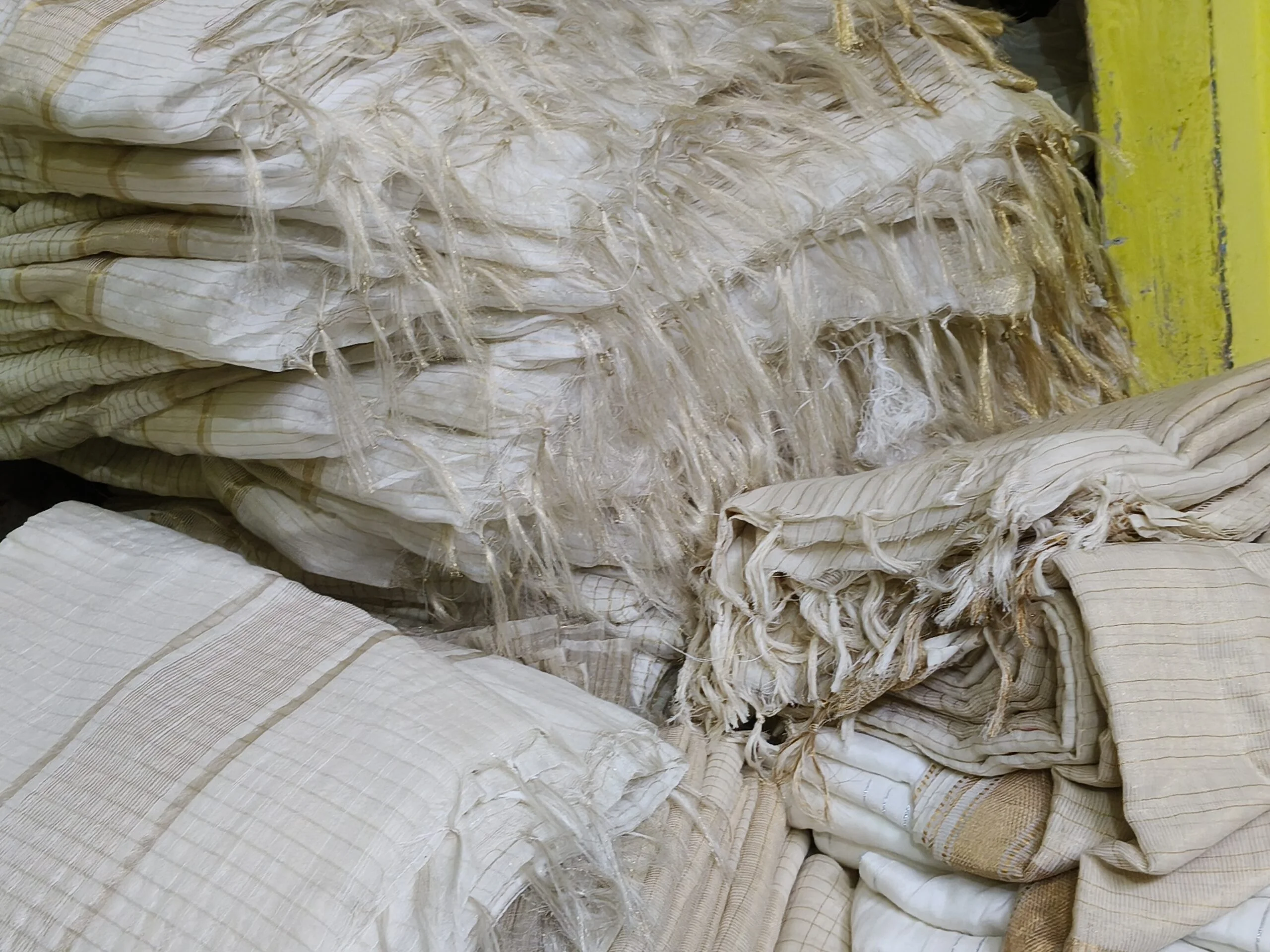
1. Bhagalpur’s textile heritage: a foundation for fabric sourcing
Bhagalpur has a long association with silk and handloom textiles. Generations of weaving knowledge, local trading relationships and specialised skills have helped establish the city as an important textile centre in eastern India. This heritage is particularly visible in silk fabrics such as Tussar and Ghicha, while cotton and other fabric categories are also available through the region’s broader manufacturing and sourcing network.
For a buyer, heritage is a useful starting point—not a substitute for supplier evaluation. A historic textile cluster can provide access to skilled people and product knowledge, but every order still needs clear specifications, sample approval and documented quality checks.
2. A varied fabric range for apparel collections
One of Bhagalpur’s practical advantages is the opportunity to explore more than one fabric family. Buyers developing apparel collections can investigate silk, cotton, linen and selected blends, then compare their appearance, handle, weight and intended end use.
Silk fabrics
Tussar, Ghicha, Muga-related blends, raw silk, Chanderi-style fabrics and organza options can serve occasionwear, premium separates, dresses, scarves and other apparel applications. Confirm fibre composition and construction for every style.
Linen and linen blends
Linen is valued for its distinctive texture and warm-weather appeal. Linen-cotton blends may offer a different balance of drape, texture, cost and care characteristics. Verify the actual fibre percentages.
Cotton fabrics
Cotton constructions range from lightweight options for shirts and dresses to heavier qualities for structured apparel. Yarn, weave, finishing and processing influence the final performance.
Value-added fabrics
Printed and embroidered surfaces can help brands develop distinctive collections. Discuss the base fabric, artwork, repeat size, colour approval and embellishment durability before bulk production.
3. Why silk from Bhagalpur attracts global interest
Bhagalpur is especially recognised for silk weaving. Tussar silk is known for its characteristic texture and natural-looking surface; Ghicha is commonly associated with spun silk yarns made from shorter or otherwise unreelable silk fibres; and Muga is a distinct silk traditionally associated with Assam. Buyers may encounter Muga-Tussar blends or fabrics marketed using regional silk names, so precise composition and origin statements matter.
Silk is not one uniform material. Filament versus spun yarn, yarn count, weave density, finishing, weight and colour treatment can all change the fabric’s appearance and behaviour. Ask the supplier to state whether the fabric is 100% silk, a blend, or a silk-like construction using another fibre.
- Request the exact fibre composition by percentage.
- Clarify whether yarn is reeled filament, spun silk or a blend.
- Ask for finished width, GSM or running weight, and weave details.
- Approve a physical sample for colour, handle, slubs and surface character.
- Discuss colourfastness, shrinkage and other tests relevant to the garment.
Explore Tussar silk, Ghicha silk and Muga silk as separate categories rather than interchangeable labels.
4. Linen and cotton for everyday and warm-weather apparel
Linen and cotton are useful choices for shirts, dresses, tunics, trousers, lightweight jackets and relaxed apparel. Their suitability depends on the intended garment and the fabric’s actual construction—not simply the fibre name.
What to check in linen
- Fibre content: pure linen or a stated blend.
- GSM, finished width and yarn characteristics.
- Slub level, opacity, drape and surface variation.
- Pre-treatment, shrinkage and care instructions.
- Colour consistency between sample and bulk lot.
What to check in cotton
- Fibre content, yarn count and weave construction.
- GSM, width, opacity and hand feel.
- Whether the fabric is woven, knitted, brushed or otherwise finished.
- Dimensional stability, colourfastness and pilling where relevant.
- Any claims about organic, recycled or certified content, supported by valid scope documents.

5. Handloom and powerloom: choose for the product brief
Bhagalpur’s textile supply network includes different production methods. Handloom weaving can create distinctive fabric character and may be appropriate where the design brief values traditional construction or controlled small-batch development. Powerloom production may suit other requirements for repeatability, output or price. Neither method is automatically superior for every product.
| Buyer consideration | Handloom | Powerloom |
|---|---|---|
| Surface character | May show distinctive texture and craft-related variation. | Can provide more repeatable construction, depending on setup. |
| Consistency | Check roll-to-roll and piece-to-piece variation carefully. | Confirm machine settings, process controls and batch consistency. |
| Order planning | Discuss artisan or loom availability and realistic capacity. | Discuss machine availability, setup and production scheduling. |
| Best selection method | Approve representative samples and acceptable tolerances. | Approve representative samples and written specifications. |
Read more in our guide to handloom versus powerloom fabrics.
6. A regional cluster can widen supplier access—but verify each partner
Textile clusters bring together different participants: weavers, loom owners, processors, traders, job workers and fabric suppliers. This can help buyers explore a wider range of materials and production capabilities. At the same time, a supplier may manufacture some qualities directly and source others through partner units. Ask who performs each stage and who is responsible for quality approval.
Useful questions include:
- Which fabric categories are manufactured directly?
- Which processes are outsourced, and to whom?
- Can the supplier share a current sample and specification sheet?
- Who checks width, GSM, defects and shade before dispatch?
- Can production capability and business details be verified by video call or visit?
Explore Weaveify’s infrastructure information and use a structured Indian fabric supplier verification checklist during evaluation.
7. What global apparel buyers should specify before requesting a quote
A clear enquiry makes quotations more comparable and reduces avoidable misunderstandings. Instead of asking only for “silk fabric” or “linen fabric,” provide the technical and commercial details below.
| Specification | What to provide or confirm |
|---|---|
| Fibre composition | Exact percentages and any required proof or test method. |
| Construction | Woven or knitted; weave type; handloom or powerloom where relevant. |
| Weight | Target GSM or another agreed weight measurement and tolerance. |
| Width | Finished usable width, excluding selvedge if applicable. |
| Colour and design | Pantone or physical standard, print file, artwork repeat and placement. |
| Finishing | Softness, washing, calendaring, coating or other required finish. |
| Quantity | Sample quantity, trial order and expected repeat volume. |
| End use | Garment type, target market, performance needs and care requirements. |
For weight terminology, see our fabric GSM guide for international buyers.
8. Sampling: the most useful step before bulk commitment
Samples allow the buyer and supplier to assess whether a fabric is suitable for the intended garment. A small swatch can help assess colour and handle, while a larger sample or trial metreage may be needed to evaluate drape, cutting, sewing and finishing.
- Share the design brief and technical specification.
- Request available qualities or a development sample.
- Review fibre content, weight, width, colour and surface.
- Test the fabric using the intended garment process where possible.
- Record approved sample details and retain a signed or identified reference.
- Confirm acceptable tolerances before bulk production.
Do not rely on photographs alone for final approval. Screen settings and lighting can alter perceived colour and texture.
9. Quality checks that matter for apparel fabric
Inspection should reflect the fabric type and the garment’s intended use. A practical inspection plan may include:
- Fibre composition verification when required by the buyer or regulation.
- Finished width and GSM measurement at agreed intervals.
- Shade assessment under consistent lighting.
- Visual inspection for holes, stains, slubs, broken ends, picks and other defects.
- Dimensional change after washing or care treatment.
- Colourfastness to washing, rubbing, perspiration or light where relevant.
- Seam slippage, tensile or other performance tests when required by construction and end use.
Agree the test method, sampling plan, acceptable limits and responsibility for testing before placing the order. Requirements differ by fibre, garment, destination market and buyer standard.
10. Sustainability and responsible sourcing: ask for evidence
Natural fibres, handloom production or a location’s craft heritage do not by themselves prove that a fabric is sustainable or ethically produced. Environmental and social performance depends on fibre cultivation or sourcing, energy, water, chemicals, processing, worker conditions, waste management and transport.
If sustainability is important to your brand, ask focused questions and request relevant evidence. Examples include valid certification documents with the correct product and facility scope, transaction documents where applicable, chemical test reports, process information and supplier policies. Avoid using broad claims such as “eco-friendly,” “zero impact” or “ethical” without substantiation.
For export compliance, distinguish legal requirements from voluntary certifications and buyer-specific standards. A certificate held by a company does not automatically cover every product or shipment.
11. Export planning from Bhagalpur
Bhagalpur is an inland sourcing location. Export planning therefore needs to account for the domestic movement of goods to the selected port or airport, export documentation, international freight and destination-country import procedures. Kolkata is one possible logistics gateway for some shipments, but the best route depends on cargo size, destination, carrier schedules, cost and the agreed Incoterm.
Before confirming a shipment, align on:
- Commercial invoice, packing list and applicable export documents.
- Correct HS classification and destination-specific import requirements.
- Country-of-origin documentation where required.
- Fibre labelling, testing and restricted-substance requirements applicable to the product.
- Packaging, roll dimensions, gross/net weight and shipping marks.
- Incoterm, insurance, freight responsibility and delivery point.
Do not assume that one certificate or document is universally required for every country. Confirm requirements with the buyer, customs broker and relevant authorities for the specific product and destination.
12. Understanding price, MOQ and lead time
Fabric pricing is influenced by fibre cost, yarn quality, construction, weight, width, dyeing or printing, embroidery, finishing, order quantity, wastage, testing and packing. Handloom and powerloom qualities may have different cost structures. A low price is not necessarily the best value if the fabric does not meet the garment specification.
MOQ and lead time are supplier- and product-specific. Custom yarn, colour development, print screens or artwork, special finishes and seasonal capacity can affect both. Request a written quotation that identifies the specification, quantity, price basis, sample charges, production estimate, payment terms, packing and shipment terms.
13. Why buyers may consider Weaveify
Weaveify is a Bhagalpur-based textile business focused on fabric manufacturing, order supply and export. Its product interests include silk, linen and cotton fabrics, alongside selected printed and embroidered fabric options for apparel applications. Buyers should share their specific brief so that availability, construction and sourcing route can be confirmed for the required quality.
For a productive first discussion, send the target fabric, composition, GSM, width, colour or design, quantity, destination country and intended garment. This allows the supplier to assess whether an existing quality or a custom development route is appropriate.
Browse the fabric range, learn more about Weaveify, or review the infrastructure page.
14. How to compare Bhagalpur with other Indian sourcing centres
India has several textile centres with different strengths in fibre, yarn, weaving, processing, printing and garment manufacturing. The right location depends on the exact fabric and supply-chain requirement. Compare suppliers on product fit, verified capability, sample quality, communication, compliance support, total landed cost and repeat-order reliability—not on city reputation alone.
Bhagalpur may be a strong option when your brief aligns with its silk heritage and available regional fabric network. For other constructions, compare quotations and samples from multiple clusters before making a decision.
15. A practical sourcing checklist for international buyers
- Define garment use, target customer and destination market.
- Specify fibre composition, weave, GSM, width and finish.
- Identify whether handloom, powerloom or either is acceptable.
- Request supplier details and clarify direct versus partner production.
- Obtain samples and approve a written reference.
- Agree inspection methods, tolerances and testing requirements.
- Confirm MOQ, price basis, lead time and payment terms in writing.
- Check applicable labelling, chemical and import rules for the destination.
- Agree Incoterm, freight route, packing and shipping documents.
- Keep records of approvals and retain a bulk-production reference sample.
16. Frequently asked questions
1. Why is Bhagalpur known for textiles?
Bhagalpur has a long-established association with silk weaving and a wider textile network that includes different fabric suppliers, weavers and processing partners.
2. Is Bhagalpur a good place to source silk fabric?
It can be a useful sourcing destination, particularly for buyers exploring Tussar and other silk-related fabrics. Evaluate each supplier’s actual product, composition, sample quality and production capability.
3. Can I source linen fabric from Bhagalpur?
Linen and linen-blend options may be available through suppliers in the regional network. Confirm whether the fabric is pure linen or a blend and request the technical specification.
4. Can buyers source cotton fabric from Bhagalpur?
Yes, cotton fabrics are part of the broader range buyers may investigate. Availability, construction, weight and minimum quantity vary by supplier and quality.
5. What silk varieties should I ask about?
Depending on the supplier, you may investigate Tussar, Ghicha, Muga-related blends, raw silk and other silk constructions. Ask for precise fibre content and yarn details.
6. Is Ghicha silk the same as Tussar silk?
No. Ghicha commonly refers to spun silk yarn made from shorter or unreelable silk fibres, while Tussar is a silk category associated with particular wild silkworm species. Commercial descriptions and blends should be verified.
7. Is Muga silk produced only in Bhagalpur?
Muga silk is traditionally associated with Assam. If a Bhagalpur supplier offers Muga or a Muga blend, ask for the precise origin and composition rather than assuming it is locally produced.
8. Are Bhagalpur fabrics all handloom?
No. The region’s supply network includes handloom and powerloom production. Ask which method is used for the specific fabric being quoted.
9. Which is better: handloom or powerloom?
Neither is universally better. Choose based on the desired surface, consistency, quantity, cost, production schedule and garment requirements.
10. Can international buyers order custom colours?
Custom colour development may be possible, subject to the supplier’s capabilities, material, dyeing route, quantity and approval process. Confirm colour standards and sampling charges.
11. Can I order printed or embroidered fabric?
Some suppliers offer value-added options such as printing and embroidery. Confirm the base fabric, artwork, repeat, technique, colour approval and durability requirements.
12. What information should I send for a quotation?
Share fibre composition, GSM, width, construction, colour or design, finish, quantity, destination country and intended apparel use. Attach a reference sample or image where possible.
13. What is the usual MOQ?
There is no single MOQ for all Bhagalpur fabrics. It depends on the product, supplier, loom or process, colour development and whether the order is standard or customised.
14. How long does production take?
Lead time depends on raw material availability, order quantity, customisation, processing and current production schedules. Obtain a written estimate for the exact specification.
15. Should I approve a sample before bulk production?
Yes. Approve a representative sample and record the key specifications, shade, finish and acceptable tolerances before bulk production begins.
16. Which quality tests should I request?
Depending on the fabric and end use, consider composition, GSM, width, shrinkage, colourfastness, pilling and other relevant performance tests. Agree methods and limits with the buyer.
17. Are natural fabrics automatically sustainable?
No. Environmental impact depends on fibre sourcing, cultivation, processing, dyeing, energy, water, chemicals, transport and end-of-life. Ask for evidence supporting any sustainability claim.
18. Can Bhagalpur suppliers export to the USA and Europe?
Suppliers may serve overseas buyers, but each order requires suitable export arrangements and compliance with the destination market’s applicable product, labelling and import rules.
19. How are fabrics shipped from Bhagalpur?
Goods generally move from the sourcing location to an appropriate port or airport and then travel by the agreed freight method. Route and cost depend on destination, shipment size and service availability.
20. How can I start sourcing from Weaveify?
Send your fabric requirement, technical details, quantity and destination through the Weaveify contact page. The team can review the brief and confirm the next steps.
Planning your next fabric collection?
Share your silk, linen or cotton fabric requirement with Weaveify. Include your target composition, GSM, width, design, quantity and destination so the enquiry can be reviewed accurately.
Sourcing note: Product availability, specifications, minimum quantities, prices, production schedules and export requirements must be confirmed for each order. This guide is general buyer information and does not replace product testing, legal advice or destination-specific customs guidance.