
Why Bhagalpur Is a One-Stop Hub for Premium Natural Fabrics
From its celebrated silk-weaving heritage to a wider range of apparel fabrics, Bhagalpur offers international buyers a distinctive place to discover Indian textiles, work with skilled weaving networks and develop fabric collections.
Bhagalpur, in Bihar, is widely associated with India’s silk tradition and is often called the Silk City of India. Its textile identity is rooted in weaving skills, especially Tussar silk, but the sourcing story extends beyond one fibre. Buyers can explore silk varieties, cotton, linen and value-added fabrics through the region’s broader textile ecosystem.
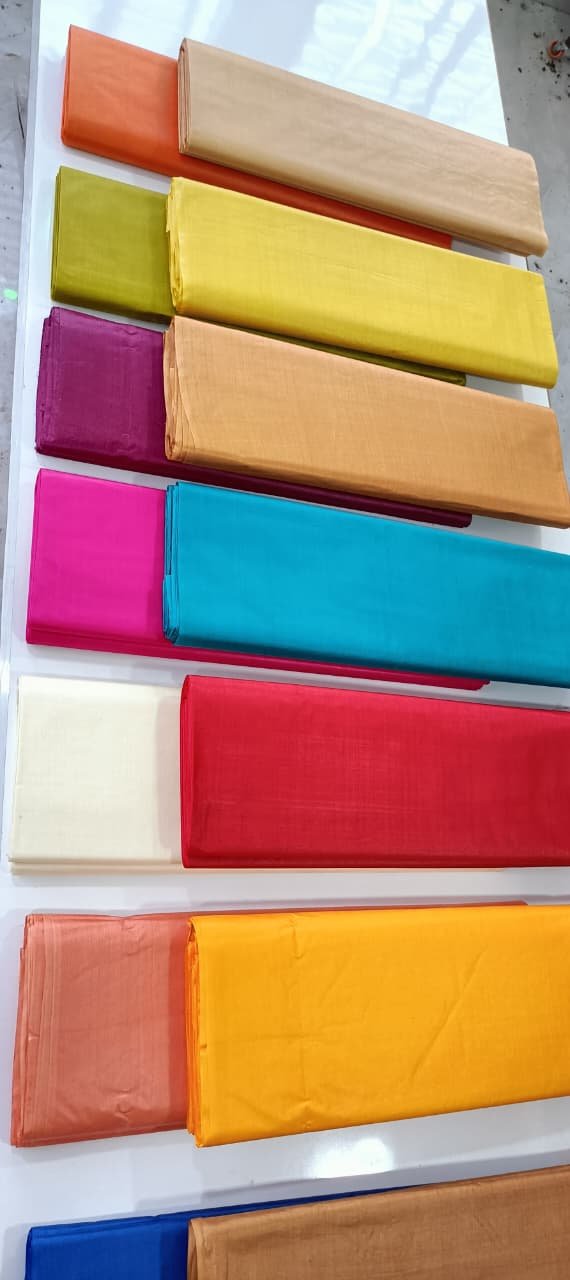
For a buyer, a textile hub is valuable not simply because many fabrics are available, but because it can connect material selection, weaving, development, finishing and supplier coordination. Bhagalpur can be a useful sourcing base when buyers clearly define the fabric they need and verify each supplier’s capabilities, specifications and quality process.
1. A strong weaving heritage with evolving production capabilities
Bhagalpur’s reputation grew through generations of silk weaving and the skills of local artisan communities. The region is particularly associated with Tussar silk, whose characteristic texture and natural variations give it a distinctive place in Indian textiles.
Today, buyers may encounter a mix of traditional handloom production, powerloom manufacturing, fabric trading and specialised finishing services. These methods serve different purposes: handloom can be suitable for distinctive craft-led fabrics and smaller developments, while powerloom can support repeatable production where the supplier has the appropriate machinery and capacity.
Heritage craftsmanship
Traditional weaving knowledge, specialist skills and regional textile identity can help brands develop fabrics with a strong material story.
Contemporary supply
Modern production and supplier networks can support commercial fabric requirements, subject to confirmed specifications, capacity and lead times.
2. A diverse range of fabrics for apparel applications
One of Bhagalpur’s sourcing advantages is the opportunity to explore different fabric categories within one regional textile ecosystem. Availability, fibre composition and production method vary by supplier and construction, so buyers should request a written specification for every style.
| Fabric category | Typical characteristics | Potential apparel applications | What buyers should specify |
|---|---|---|---|
| Tussar silk | Textured appearance and natural variations; yarn and finish affect the final handle. | Blouses, dresses, jackets, occasionwear and fashion separates. | Fibre content, yarn type, weave, width, GSM, finish and colour. |
| Muga silk | Known for its distinctive golden appearance and association with Assam. | Premium occasionwear and statement apparel. | Authenticity, origin claims, composition, construction and testing requirements. |
| Ghicha silk | Often made using spun silk yarns, with a characteristic textured surface. | Textured dresses, jackets, tops and craft-led collections. | Yarn type, blend, texture, weight and acceptable variation. |
| Chanderi fabric | Lightweight fabric tradition; constructions may use silk, cotton and zari in different combinations. | Light dresses, overlays, tunics and occasionwear. | Exact fibre percentages, zari content, width, weight and care. |
| Organza | A sheer, crisp fabric construction; it is not automatically made from silk. | Overlays, sleeves, panels, layered dresses and occasionwear. | Fibre composition, stiffness, transparency, width and finish. |
| Raw silk | A trade description that can refer to different silk yarn and fabric characteristics. | Structured apparel, dresses, jackets and premium separates. | Define the exact yarn, degumming status, composition and surface. |
| Cotton and cotton slub | Versatile woven options with different yarn effects and fabric weights. | Shirts, dresses, tops, casualwear and summer collections. | Fibre content, yarn count if known, weave, GSM, width and shrinkage. |
| Linen and linen blends | Breathable fabric options with a characteristic natural texture. | Shirts, trousers, dresses, resortwear and summer apparel. | Flax percentage, blend ratio, GSM, width, finish and shrinkage. |
| Khadi and other blends | Construction and fibre content vary; the term alone does not define composition. | Casualwear, shirts, dresses and craft-inspired collections. | Fibre composition, spinning/weaving method, weight and provenance. |
Explore Weaveify’s fabric categories: fabric collection, silk fabrics, linen fabrics and cotton fabrics.

3. Why textile clusters can make sourcing more practical
A textile cluster brings together interconnected skills and services. Depending on the product, a buyer may need yarn or greige fabric sourcing, weaving, dyeing, printing, embroidery, inspection, packing and export coordination. A regional network can make it easier to discuss these requirements with suppliers familiar with the material and local production ecosystem.
Potential benefits for apparel buyers
- Material discovery: Compare fabric constructions and surface characteristics before selecting a base fabric.
- Supplier coordination: Discuss related processes with suppliers and service providers in the same textile ecosystem.
- Product development: Develop a sample around a defined weave, weight, colour, print or embroidery requirement.
- Regional knowledge: Access practical experience with locally established silk and woven-fabric categories.
These benefits are not automatic. A cluster is not a single integrated factory, and suppliers may operate independently. Buyers should identify who is responsible for each production stage, who owns the quality checks and who will resolve defects or delays.
4. Fabric customisation and value-added development
Many apparel brands need more than an off-the-shelf fabric. They may require a specific colour, repeat pattern, surface effect or embroidery layout. Depending on the base fabric and the supplier’s available services, Bhagalpur-linked sourcing networks may support value addition such as:
Digital printing
Useful for developing artwork-led fabric designs. Confirm print method, colour expectations, repeat size, file requirements, testing and wash performance.
Embroidery
Machine or other embroidery techniques can add surface detail. Approve a strike-off or sample and confirm backing, thread, density and handling.
Dyeing and finishing
Finishing can change handle, appearance and performance. Specify shade, finish, dimensional stability and any restricted-substance requirements.
Custom fabric development
Work from a reference swatch or technical brief that states fibre composition, construction, weight, width, colour and intended end use.
See Weaveify’s printed fabric and embroidered fabric categories for examples of value-added fabric directions.
5. Natural fibres: understand the material, not just the label
Natural-fibre fabrics can be attractive to brands looking for distinctive textures and fibre stories. However, terms such as “natural”, “eco”, “handloom” or “sustainable” should not replace evidence. Environmental performance depends on the full product lifecycle, including fibre cultivation or rearing, processing, dyeing, finishing, transport, durability and end-of-life handling.
- Ask for the exact fibre composition and percentage by weight.
- Request supporting evidence before making organic, recycled, traceable or other certification claims.
- Confirm dyeing and finishing chemistry against the destination market and buyer’s restricted-substance list.
- Consider durability, care requirements and expected garment life—not fibre origin alone.
- Use accurate product descriptions and avoid broad environmental claims that cannot be substantiated.
6. Export access and logistics: plan the full route
Bhagalpur is located inland in Bihar. Export shipments may move through a combination of road, rail, air-cargo and seaport services depending on the destination, shipment size, urgency and forwarder’s route. Kolkata is a relevant regional gateway for some cargo movements, but the best route and transit time must be confirmed for each shipment.
Before placing an order, ask the supplier or freight forwarder to clarify:
- Where the goods will be packed and handed over to the carrier.
- Which export port or airport will be used and why.
- Whether the quotation is EXW, FCA, FOB, CPT, CIP, CIF, DAP or another agreed Incoterm.
- Who is responsible for export clearance, freight, insurance and destination import clearance.
- What documents will be supplied, such as commercial invoice, packing list, transport document and certificate of origin where applicable.
- How shipment milestones, tracking and claims will be handled.
Do not assume that a supplier’s location guarantees a particular transit time or freight cost. Obtain a shipment-specific quotation and confirm the applicable Incoterm using the current ICC rules.
7. How international buyers can source fabrics from Bhagalpur
Step 1: Prepare a clear fabric brief
State the intended garment, fibre composition, weave, width, GSM, colour, finish, quantity and destination market. Attach a reference swatch or image where possible, while recognising that an image alone cannot define a technical specification.
Step 2: Shortlist suppliers by capability
Ask whether the supplier manufactures, coordinates production, trades finished fabric or combines these roles. Verify business identity, relevant registrations, production partners and the specific processes they can control.
Step 3: Request samples and approve a standard
Review hand feel, shade, width, weight, construction, defects and finishing. For repeat orders, retain an approved reference sample and a written specification. If the fabric is printed or embroidered, approve the actual production technique and sample layout.
Step 4: Agree quality tolerances and inspection
Define acceptable variation in GSM, width, shade, shrinkage and defects. Agree inspection method, sampling level, responsibility for rework and how non-conforming goods will be handled.
Step 5: Confirm price, payment and delivery terms
Compare quotations on the same basis. Confirm currency, taxes, payment milestones, production lead time, packing, freight responsibility and what happens if shipment is delayed.
Step 6: Check destination-market requirements
Depending on the destination and product, buyers may need fibre labelling, chemical testing, product safety evidence, origin documentation or other import requirements. Confirm requirements with the importer, customs broker and relevant authorities before production or shipment.
8. What makes Weaveify a sourcing partner in Bhagalpur?
Weaveify works with textile production and supply networks connected to Bhagalpur and focuses on fabrics for apparel applications. Its range includes silk, linen, cotton, printed and embroidered fabrics. Buyers should share their specific requirements so the appropriate construction, production route and availability can be confirmed before an order is accepted.
- Silk categories including Tussar, Muga, Ghicha, Chanderi, Organza and Raw Silk, subject to exact composition and construction.
- Linen, cotton and selected blended fabric options.
- Digital printed and embroidered fabric developments.
- Sampling and specification discussions for buyer-led requirements.
- Coordination around order details and export documentation, as agreed for each transaction.
Learn more about Weaveify and its infrastructure. Product availability, minimum quantities, lead times and customisation options should be confirmed for each enquiry.
9. International buyer checklist before ordering
- Have I confirmed the exact fibre composition and construction?
- Do I know whether the fabric is handloom, powerloom or another construction method?
- Are GSM, usable width, colour and finish stated in writing?
- Have I reviewed and approved a representative sample?
- Are shrinkage, colourfastness and other relevant tests agreed?
- Are tolerances and inspection responsibilities documented?
- Have I verified the supplier and the role of any production partners?
- Are MOQ, price basis, payment terms and lead time clear?
- Have I checked import rules, labelling and chemical requirements in my market?
- Are Incoterms, freight, insurance, customs clearance and documents agreed?
10. How to compare Bhagalpur with other sourcing destinations
Bhagalpur may be particularly relevant when a collection needs silk heritage, woven natural-fibre options or access to regional textile skills. Other sourcing regions may be better suited to different fibres, knitted fabrics, specialised processing or very large integrated production programmes. The right sourcing location depends on the product brief—not on a general claim that one city is best for every fabric.
| Buyer priority | What to evaluate in Bhagalpur | Evidence to request |
|---|---|---|
| Speciality silk fabrics | Yarn origin, weaving skill, construction and authenticity. | Composition declaration, sample, supplier details and any relevant origin evidence. |
| Repeatable apparel basics | Production method, capacity, consistency and repeat-order controls. | Approved standard, production plan, inspection records and tolerances. |
| Custom surface design | Printing/embroidery capability and process control. | Strike-off, embroidery sample, colour approval and test results where needed. |
| Export programme | Documentation, packing, freight coordination and communication. | Written shipping plan, agreed Incoterm and document checklist. |
11. Build a sourcing relationship around specifications and communication
A successful fabric order starts with a shared understanding of what is being made. Buyers should provide a technical brief and suppliers should respond with a clear quotation, sample plan, production details and realistic delivery commitments. This reduces ambiguity and makes it easier to evaluate offers from different regions.
For further reading, explore Weaveify’s guides to importing textile fabrics from India, verifying an Indian fabric supplier and understanding fabric GSM.
Looking for premium apparel fabrics from Bhagalpur?
Share your fabric category, composition, GSM, width, colour, quantity, application and destination market. Weaveify can review the brief and discuss suitable fabric options, sampling and order requirements.
Frequently asked questions
1. Why is Bhagalpur famous for textiles?
Bhagalpur is widely known for its silk-weaving heritage, particularly Tussar silk, and for the skills of its regional weaving communities.
2. Is Bhagalpur only a silk fabric sourcing destination?
No. Silk is central to its identity, but buyers may also find cotton, linen, blended and value-added fabrics through suppliers and connected textile networks. Availability varies by supplier.
3. Which silk fabrics are associated with Bhagalpur?
Bhagalpur is especially associated with Tussar silk. Suppliers may also offer or coordinate other silk categories such as Muga, Ghicha, Chanderi, Organza and Raw Silk. Confirm origin and composition for each product.
4. Can international buyers source multiple fabric categories from Bhagalpur?
Yes, buyers may be able to source multiple categories through regional suppliers and networks. Confirm whether one supplier can manage all categories or whether separate production partners are involved.
5. Does every fabric from Bhagalpur come from handloom weaving?
No. The region has traditional handloom skills as well as powerloom and other production arrangements. Ask for the production method of the exact fabric being quoted.
6. Is Bhagalpur suitable for premium fashion brands?
It can be suitable for brands seeking distinctive silk and woven-fabric options. Suitability depends on the required quality level, construction, consistency, testing and supplier capability.
7. Can buyers customise fabric designs?
Customisation such as colour development, printing or embroidery may be possible depending on the supplier and base fabric. Request a development sample and confirm costs, minimums and lead time.
8. Can Bhagalpur suppliers handle export orders?
Some suppliers and sourcing partners support export orders or work with export intermediaries. Verify the contracting entity, export role, documentation and shipping responsibilities before placing an order.
9. What information should I provide when requesting a quotation?
Provide fibre composition, weave, GSM, usable width, colour, finish, quantity, intended application, destination country, testing requirements and target delivery date.
10. How can I check the quality of fabric before ordering?
Request a representative sample, compare it with the written specification and agree checks for composition, GSM, width, shade, defects, shrinkage and colourfastness as relevant.
11. Are natural fabrics from Bhagalpur automatically sustainable?
No. Sustainability depends on fibre sourcing, processing, dyeing, finishing, transport, durability and other lifecycle factors. Ask for evidence before making environmental claims.
12. Is Khadi always made from cotton?
Khadi describes a handspun and handwoven textile tradition, but fibre composition can vary. Confirm the actual fibre content and production details for the specific fabric.
13. Is Organza always made from silk?
No. Organza describes a sheer, crisp fabric construction and may be made from silk or other fibres. Confirm the composition on the specification and invoice.
14. What export documents may be needed?
Common documents can include a commercial invoice, packing list and transport document; other documents such as a certificate of origin or test reports may be required depending on the transaction and destination.
15. How do I start a fabric enquiry with Weaveify?
Use the contact page and share your fabric type, composition, GSM, width, colour, quantity, application and destination market. The team can then review the requirement and discuss next steps.
Conclusion: Bhagalpur connects textile heritage with sourcing possibilities
Bhagalpur’s value as a natural-fabric sourcing destination comes from its silk heritage, regional weaving knowledge and access to a wider network of textile suppliers and value-addition services. For international apparel buyers, it can be a productive place to explore distinctive materials and develop fabric programmes—provided every order is supported by clear specifications, approved samples, supplier checks and a realistic export plan.
Rather than relying on broad claims, build the sourcing relationship around the exact fabric, evidence and service level your collection requires.
Important: Product descriptions, fabric availability, production methods, certifications, lead times and export arrangements vary by supplier and order. Confirm all commercial and technical details in writing before purchase.
Pingback: Complete Guide to Linen Fabric for Apparel Manufacturing
Pingback: Different Types Of Silk Fabric Used In Fashion: A Complete Guide For Designers And Buyers
Pingback: Complete Guide To Cotton Fabric For Apparel Manufacturing