
Linen fabric has become one of the most preferred textiles for apparel manufacturing worldwide. Because it is breathable, durable, and eco-friendly, fashion brands increasingly choose linen for summer collections, resort wear, and sustainable fashion lines.
Today, international buyers across Europe, the USA, Australia, the Gulf countries, and South America actively search for reliable linen fabric suppliers. Therefore, understanding linen fabric properties, types, and sourcing strategies helps apparel manufacturers make better decisions.
This complete guide explains linen fabric for apparel manufacturing, including fabric types, benefits, GSM recommendations, and sourcing insights.
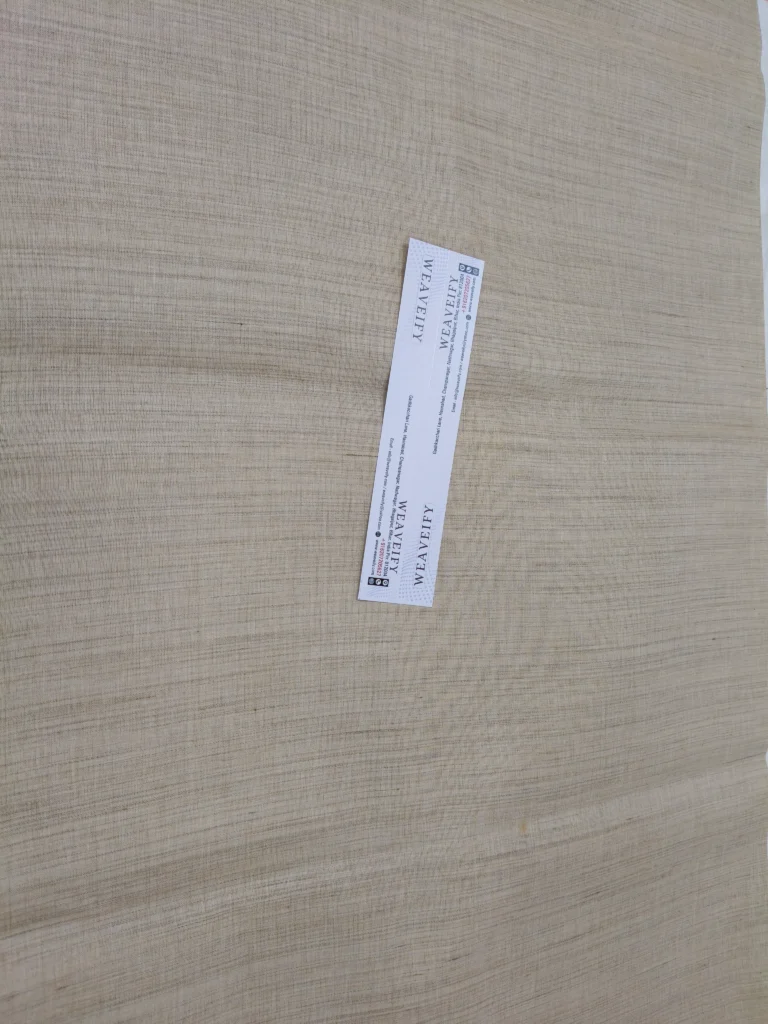
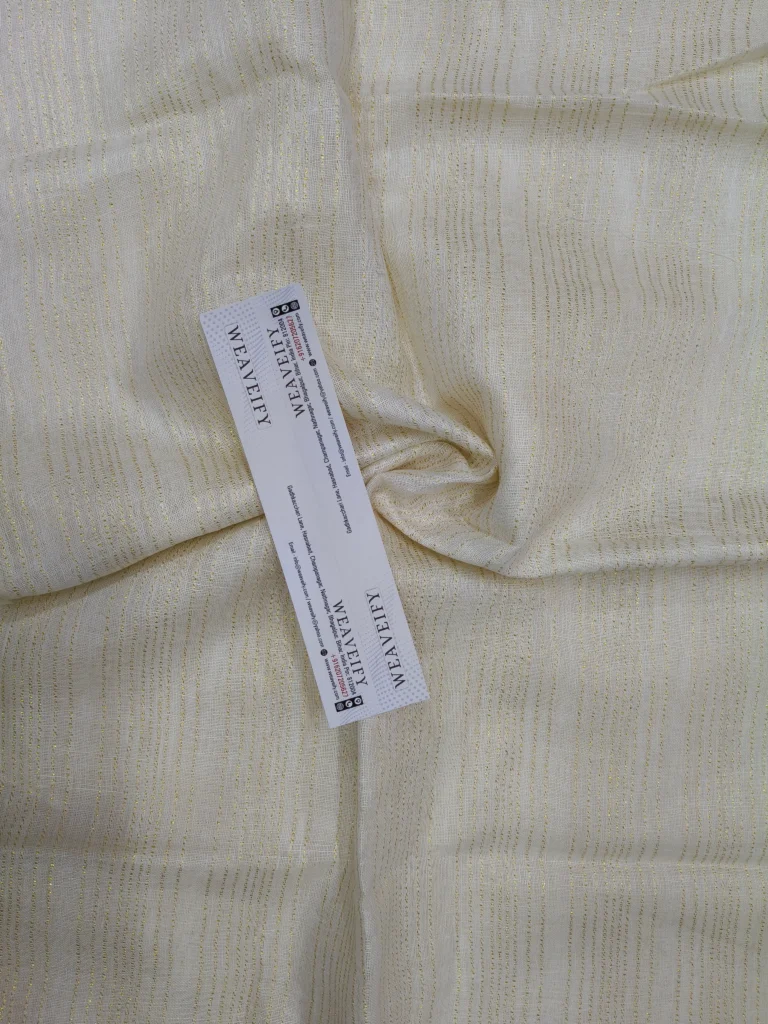
🌿 What Is Linen Fabric?
Linen is a natural textile made from the flax plant fiber. The fibers are extracted, spun into yarn, and woven into fabric using handloom or powerloom techniques.
Because flax fibers are naturally strong and breathable, linen fabric is ideal for clothing worn in warm climates.
Key Characteristics of Linen Fabric
- Highly breathable
- Moisture absorbing
- Durable and long lasting
- Natural texture with elegant drape
- Biodegradable and eco-friendly
As a result, linen is widely used in both luxury and sustainable apparel manufacturing.
🌍 Why Global Apparel Brands Prefer Linen
International fashion brands prefer linen because it supports both comfort and sustainability goals.
Major Advantages
1. Breathability
Linen allows air circulation, making it ideal for hot climates.
2. Durability
Flax fibers are stronger than cotton fibers, which increases garment lifespan.
3. Sustainable Production
Flax cultivation requires less water and fewer chemicals compared to many other crops.
4. Premium Natural Texture
The natural slub texture gives linen garments a distinctive aesthetic valued by designers.
Because of these advantages, linen is widely used in premium summer fashion collections.
🧵 Types of Linen Fabric Used in Apparel Manufacturing
Linen fabrics vary depending on weaving style and fiber blending.
Pure Linen
Pure linen fabrics offer the highest breathability and natural texture.
Common uses:
- Summer dresses
- Shirts
- Lightweight trousers
- Resort wear
Linen Cotton Blends
Blending linen with cotton improves softness while maintaining breathability.
Common uses:
- Casual apparel
- Everyday garments
- Fashion tops
Linen Silk Blends
Linen blended with silk provides a luxurious finish.
Common uses:
- Premium garments
- Designer dresses
- Occasion wear
Linen Slub Fabric
Slub linen features irregular yarn texture, creating a unique handcrafted appearance.
Common uses:
- Designer garments
- Contemporary fashion collections
⚖️ Recommended Linen GSM for Apparel Manufacturing
Choosing the correct GSM (grams per square meter) is essential for garment performance.
| Garment Type | Recommended GSM |
|---|---|
| Lightweight shirts | 120–150 GSM |
| Dresses & tops | 140–180 GSM |
| Premium apparel | 170–220 GSM |
| Jackets or heavier garments | 200–250 GSM |
👉 Read more:
Fabric Weight (GSM) Guide for International Buyers
🌎 Insights: Linen Demand by Global Markets
Different regions prefer different linen characteristics.
Europe
High demand for sustainable linen and handloom fabrics.
United States
Strong market for linen shirts, dresses, and casual wear.
Australia & New Zealand
Lightweight linen for summer and resort fashion.
Gulf Countries
Breathable linen fabrics for hot climate apparel.
Therefore, linen remains one of the most exported natural fabrics worldwide.
🏭 Why India Is a Leading Linen Fabric Supplier
India has become a reliable source for linen fabrics due to:
- Skilled weaving clusters
- Competitive manufacturing cost
- Flexible MOQ
- Digital printing and embroidery capabilities
- Export-ready infrastructure
Regions like Bhagalpur specialize in producing linen and natural fiber fabrics for global markets.
👉 Read More
Why Bhagalpur Is a One-Stop Hub for Premium Natural Fabrics
❓ Frequently Asked Questions
Is linen fabric good for clothing manufacturing?
Yes. Linen is breathable, durable, and comfortable, making it ideal for apparel manufacturing.
What GSM linen is best for clothing?
Most apparel brands use linen fabrics between 140 and 200 GSM.
Is linen sustainable?
Yes. Linen is one of the most eco-friendly natural fibers because flax requires less water and fewer chemicals.
🤝 Why Apparel Brands Source Linen from Weaveify
Weaveify supplies high-quality linen fabrics for international apparel manufacturers.
Our product range includes:
- Pure linen fabric
- Linen cotton blends
- Linen silk blends
- Linen slub fabrics
- Digital printed linen fabrics
- Embroidered linen fabrics
Because we work directly with weaving clusters, we provide:
✔ Consistent fabric quality
✔ Flexible MOQ
✔ Custom fabric development
✔ Export documentation support
✔ Reliable communication
👉 Contact Weaveify
https://weaveify.com/contact-us
🔗 External References
Flax & Linen Sustainability Overview
https://www.textileexchange.org
Global Textile Industry Insights
https://www.trade.gov/textiles-apparel
🎯 Featured Snippet
Why is linen fabric ideal for apparel manufacturing?
Linen fabric is breathable, durable, and eco-friendly, making it one of the most suitable textiles for clothing production, especially for summer fashion and sustainable apparel collections.
Pingback: Complete Guide To Digital Printed Fabrics For Apparel Manufacturing
Pingback: Complete Guide To Embroidered Fabrics For Apparel Manufacturing
Pingback: How To Start A Clothing Brand Using Indian Fabrics (Step-by-Step Guide)
Pingback: How Russian Buyers Can Source Apparel Fabrics From India: Complete Import Guide (2026)
Pingback: How USA Buyers Can Source Apparel Fabrics From India: Complete Import Guide (2026) Slug
Pingback: How UAE Buyers Can Source Apparel Fabrics From India: Complete Import Guide (2026)