
Complete Guide to Bhagalpuri Linen, Cotton, Tussar, Ghicha & Muga Silk Fabrics
Bhagalpur, often called the Silk City of India, is closely associated with silk weaving and a wider textile supply network. Buyers exploring fabrics from the region may encounter linen, cotton, Tussar silk, Ghicha silk and Muga-Tussar blends. Each has a different fibre story, surface character and potential apparel use. This guide explains how to compare them, what specifications to request and how to source with fewer surprises.
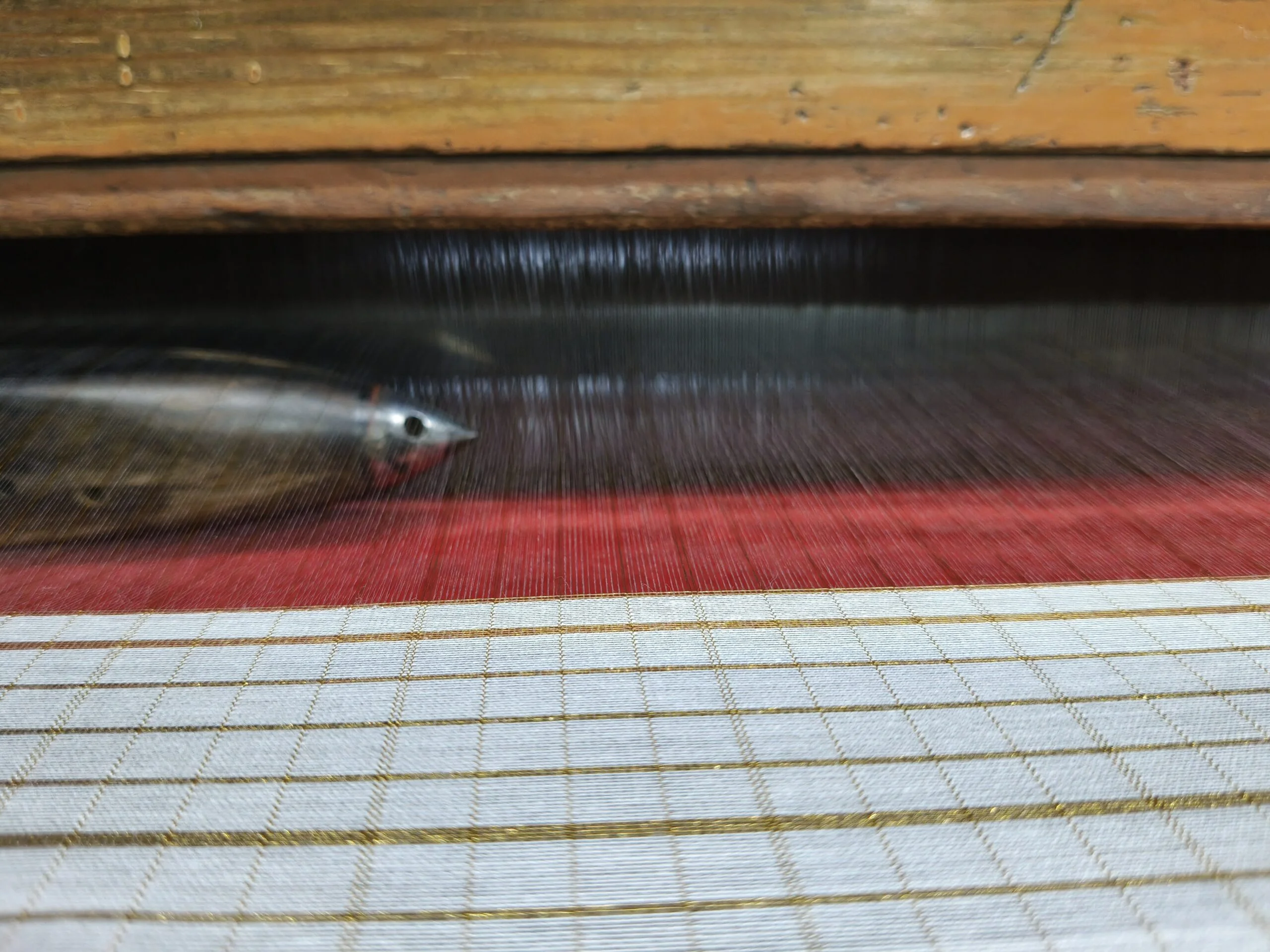
1. Understanding Bhagalpuri fabrics
“Bhagalpuri” is commonly used to describe fabrics associated with Bhagalpur’s textile cluster. It is a useful regional sourcing description, but it is not a complete technical specification and does not automatically establish fibre content, loom type or place of manufacture for every component.
For a professional purchase, identify the actual fibre, yarn, construction, finishing and production location. A fabric may be woven in Bhagalpur using yarn or processed material sourced elsewhere. Ask the supplier to explain the supply chain when origin is important to your brand or customer.
2. Bhagalpuri linen: textured fabric for contemporary apparel
Linen is made from flax fibres. It is valued for its characteristic texture, breathability and natural crease behaviour. Linen fabrics can feel crisp or relaxed depending on yarn, weave, weight and finishing. Slubs and surface irregularities may be part of the intended appearance, but buyers should still distinguish acceptable character from weaving defects.
Common apparel applications
- Shirts, blouses and relaxed tops.
- Summer dresses, tunics and co-ord sets.
- Trousers, skirts and lightweight layers.
- Unstructured jackets and overshirts, depending on weight and construction.
What to specify
- Whether the fabric is 100% linen or a linen blend, with percentages.
- GSM, finished usable width and weave construction.
- Yarn character, slub level, opacity and desired handle.
- Pre-washing or other finishing, dimensional change and care instructions.
- Colour standard and acceptable shade variation.
Explore linen fabric options from Weaveify. Do not assume that every fabric marketed as linen is pure flax; confirm composition.
3. Bhagalpuri cotton: versatile foundations for apparel
Cotton is a widely used natural cellulosic fibre. The final fabric can range from light and airy to dense and structured. Its performance depends on fibre quality, yarn count, weave, finishing and garment construction. “Soft” or “breathable” alone is not enough to describe a cotton quality for bulk purchasing.
Common apparel applications
- Shirts, blouses and everyday tops.
- Dresses, tunics and lightweight trousers.
- Linings or pocketing where the specification is suitable.
- Printed apparel and coordinated separates.
What to specify
- Fibre composition and yarn details where available.
- GSM, usable width, weave and finish.
- Opacity, drape, shrinkage and colourfastness requirements.
- Whether the fabric is plain, yarn-dyed, printed or embroidered.
See cotton fabric options and our GSM guide for international buyers.
4. Tussar silk: distinctive texture and natural variation
Tussar, also written tussah or tasar, is a group of wild silks associated with particular non-mulberry silkworms. Tussar fabrics are often recognised by their textured surface and characteristic sheen. Actual colour, lustre, handle and strength vary with species, yarn preparation, weaving and finishing.
For apparel, Tussar may be considered for dresses, jackets, skirts, blouses, occasionwear and statement panels. The correct construction depends on the garment: a fabric suitable for a structured jacket may not be ideal for a fluid dress.
Buyer checks for Tussar
- Confirm whether yarn is reeled filament, spun silk or a blend.
- Request exact fibre composition and any claimed silk-origin details.
- Review slubs and natural variation against an approved sample.
- Check weight, width, seam behaviour, colourfastness and care needs.
- Test the fabric in the intended garment construction before bulk approval.
Explore Tussar silk fabric.

5. Ghicha silk: a spun-silk look with a rustic character
Ghicha is commonly associated with spun silk yarn made from shorter or unreelable silk fibres, often arising during silk reeling. The resulting yarn and fabric can have an irregular, slubby or textured appearance. Commercial usage of the name can vary, so buyers should verify the actual fibre and yarn source rather than relying on the label alone.
Ghicha-style fabrics may suit relaxed dresses, tops, jackets, scarves and other apparel where a textured surface is part of the design. The fabric’s weight and handle can vary considerably by yarn and construction.
Questions to ask
- Is the fabric made from 100% silk yarn or a silk blend?
- Is the yarn spun, and what fibre source is used?
- How much surface variation should be expected?
- What are the GSM, width, weave and finishing details?
- What care method is recommended for the finished garment?
Explore Ghicha silk fabric.
6. Muga silk and Muga-Tussar blends: verify origin and composition
Muga is a distinct non-mulberry silk traditionally associated with Assam and the silkworm species *Antheraea assamensis*. It is known for its characteristic golden appearance, although the look of a finished textile depends on yarn, processing, dyeing and weave. A Muga-Tussar blend combines different silk fibres; the proportions should be stated clearly.
If a supplier offers a fabric described as Muga or Muga-Tussar from Bhagalpur, ask where the Muga fibre or yarn originates, where the fabric is woven and what percentage of each fibre is present. Regional supply and weaving location should not be confused with fibre origin.
Potential apparel applications
- Premium dresses and tailored separates.
- Statement jackets, waistcoats and structured panels.
- Occasionwear and limited-edition collections.
- Accessories where the fabric weight and construction are appropriate.
See Muga silk fabric information. Request traceability evidence if origin claims are material to the product story.
7. Fabric comparison at a glance
| Fabric | Typical character | Potential apparel uses | Key buyer checks |
|---|---|---|---|
| Linen | Textured, crisp to relaxed; natural creasing | Shirts, dresses, trousers, summer layers | Flax content, GSM, width, shrinkage, slub level |
| Cotton | Wide range from soft/light to firm/structured | Shirts, tops, dresses, tunics, co-ords | Composition, yarn, weave, opacity, colourfastness |
| Tussar silk | Textured surface and characteristic sheen | Dresses, jackets, blouses, occasionwear | Silk type, yarn form, composition, variation, care |
| Ghicha silk | Often slubby and rustic; spun-silk character | Textured tops, dresses, jackets, accessories | Fibre source, spun yarn, blend percentage, handle |
| Muga / Muga-Tussar | Distinctive silk appearance; blend varies | Premium separates and occasionwear | Origin, exact composition, documentation, sample |
These are general descriptions, not guaranteed performance ratings. Actual durability, drape, comfort and care depend on the specific fabric construction and finishing.
8. How to choose the right fabric for your collection
Start with the garment and customer—not just the fibre name. A fabric that looks attractive as a swatch may behave differently when cut, stitched, washed or worn.
Choose linen when…
Your design calls for a textured, breathable fabric with a relaxed or crisp appearance. Confirm crease behaviour, opacity and dimensional stability.
Choose cotton when…
You need a versatile apparel base and can select a suitable weight and construction for the garment. Check shrinkage and colour performance.
Choose Tussar when…
You want a silk fabric with distinctive texture and a refined, natural-looking surface. Verify silk type and the expected variation.
Choose Ghicha when…
Your design benefits from a spun-silk appearance and irregular surface character. Confirm composition and yarn source carefully.
Consider Muga blends when…
The product story and budget justify a premium silk blend. Verify Muga percentage and origin documentation before making claims.
Compare blends when…
You want to balance hand feel, drape, cost or performance. Require exact fibre percentages and test the finished fabric.
9. Understand GSM, width and construction
GSM means grams per square metre and is a common way to express fabric mass per unit area. It does not by itself define quality or suitability. Two fabrics with the same GSM can feel and perform very differently because of yarn, weave, density and finishing.
Always confirm finished usable width, not only loom width. For apparel planning, the usable width affects marker efficiency and fabric consumption. Also record weave construction, yarn details where available, finishing and tolerances.
Use the fabric weight and GSM guide to prepare a consistent technical brief.
10. Handloom and powerloom: match the method to your brief
Bhagalpur’s textile supply network includes different weaving methods. Handloom may be selected for particular craft character or a specific product brief; powerloom may suit other requirements for repeatability, output or price. Neither method is automatically better in every situation.
| Consideration | Handloom | Powerloom |
|---|---|---|
| Appearance | May show distinctive texture and craft-related variation. | Can provide repeatable construction depending on setup. |
| Consistency | Define acceptable variation and inspect representative pieces. | Confirm process controls and lot-to-lot consistency. |
| Planning | Discuss loom and artisan availability for the required quantity. | Discuss machine capacity, setup and production scheduling. |
| Approval | Retain an approved sample and clear tolerances. | Retain an approved sample and clear tolerances. |
Read Handloom vs Powerloom Fabrics: A Guide for International Buyers.
11. Printing, dyeing and embroidery options
Value-added processes can help transform a base fabric into a collection-specific material. Before ordering printed or embroidered linen, cotton or silk, agree on artwork, repeat dimensions, placement, colour standard, technique and finishing. The base fabric should be approved first because fibre and surface affect the final result.
- For digital printing, confirm file resolution, colour expectations and repeat alignment.
- For dyeing, approve lab dips or strike-offs and define shade tolerance.
- For embroidery, confirm thread, stitch density, backing, placement and wash performance.
- For all processes, request a finished sample before bulk approval.
Explore printed fabrics and embroidered fabrics.
12. Quality inspection for apparel fabrics
Quality criteria should be agreed before production. A practical inspection plan may include:
- Fibre composition verification where required.
- GSM and usable-width measurement.
- Shade assessment under consistent lighting.
- Visual inspection for holes, stains, broken ends, picks and unacceptable defects.
- Dimensional change after the relevant wash or care process.
- Colourfastness to washing, rubbing, perspiration or light where applicable.
- Additional tests such as pilling, seam slippage or tensile strength when relevant to the garment.
Specify test methods, sampling frequency, tolerances and who pays for testing. Requirements vary by product and destination market.
13. Care, handling and garment development
Care instructions should be based on the actual fibre blend, dyeing, finishing and test results. Do not assume all silk requires identical treatment or that every linen and cotton fabric can be machine washed safely. Request care guidance from the supplier and test the proposed garment-care method before finalising labels.
During development, test the fabric through cutting, stitching, pressing and any wash or finishing process planned for the garment. This can reveal fraying, seam puckering, distortion, shrinkage or unexpected changes in surface appearance.
14. Responsible sourcing and substantiated claims
Natural fibres and traditional weaving do not automatically make a product sustainable, low-impact or ethically produced. Impacts depend on fibre cultivation or sourcing, energy, water, chemicals, dyeing, processing, worker conditions, transport and product life.
If your brand intends to make environmental or social claims, ask for evidence relevant to the exact product and facility. Check certificate validity, scope, transaction coverage and chain-of-custody requirements where applicable. Avoid broad claims such as “zero impact,” “fully ethical” or “eco-friendly” without substantiation.
15. How international buyers can source from Bhagalpur
Begin with a concise technical enquiry. Include the fabric category, composition, construction, GSM, width, colour, finish, quantity, end use and destination country. If you have a reference sample, share it or describe the required characteristics clearly.
- Shortlist suppliers with relevant fabric experience.
- Clarify which processes are performed directly and which are handled by partner units.
- Request current samples and technical details.
- Compare sample quality against your garment requirements.
- Agree MOQ, price basis, sample charges and production estimate.
- Confirm inspection, testing, packaging and export responsibilities.
- Approve a reference sample and written specification before bulk production.
For a deeper checklist, read How to Verify an Indian Fabric Supplier.
16. MOQ, pricing and lead time
There is no single minimum order quantity or lead time for all Bhagalpuri fabrics. Requirements depend on fibre, yarn availability, loom or process, colour development, printing or embroidery, order size and supplier capacity. Customised work may require different quantities from available stock qualities.
Ask for a written quotation stating the approved specification, quantity, unit and price basis, taxes where applicable, sample charges, payment terms, production estimate, packing details and Incoterm. Compare total landed cost rather than fabric price alone.
17. Export and destination-market considerations
Export planning should cover classification, country-of-origin information, commercial documentation, packing, freight and destination requirements. Fibre composition and care labelling rules differ across markets. Chemical restrictions and buyer testing requirements may also apply depending on the product and destination.
Confirm the correct HS code with a qualified customs professional for the precise fabric construction and destination. Do not assume that one certificate or test report is mandatory or sufficient for every shipment. Align requirements with the importer and relevant authorities before dispatch.
18. Why consider Weaveify for Bhagalpur fabric enquiries?
Weaveify is a Bhagalpur-based textile business focused on fabric manufacturing, order supply and export. Its product interests include linen, cotton and silk fabrics, including Tussar, Ghicha and selected Muga-related blends, along with printed and embroidered fabric options for apparel applications.
Share your required composition, GSM, width, construction, colour, quantity and destination. Weaveify can review the brief and clarify the relevant product options, availability and next steps for sampling or quotation.
Browse the Weaveify fabric range, learn about the business or view infrastructure information.
19. Buyer checklist before placing an order
- Confirm exact fibre composition and any origin claims.
- Record weave, yarn form, GSM and usable width.
- Define shade, print, embroidery and finish requirements.
- Approve a physical sample and retain a reference.
- Set measurable tolerances for weight, width, shade and defects.
- Agree relevant tests and care instructions.
- Confirm MOQ, price basis, payment terms and realistic lead time.
- Clarify direct manufacturing and subcontracted processes.
- Check destination-market labelling and import requirements.
- Agree packing, Incoterm, freight and export documents.
20. Frequently asked questions
1. What fabrics are associated with Bhagalpur?
Bhagalpur is especially associated with silk weaving. Buyers may also source or enquire about linen, cotton and different silk constructions through the wider regional textile network.
2. What is Bhagalpuri linen?
It is a regional sourcing description for linen fabrics associated with Bhagalpur. Confirm whether the fabric is 100% flax linen or a blend, and request its construction and technical specification.
3. Is Bhagalpuri cotton suitable for apparel?
Cotton fabrics can be suitable for shirts, dresses, tops, tunics and other apparel, depending on weight, weave, finish, opacity and performance.
4. What is Tussar silk?
Tussar is a category of wild silk associated with non-mulberry silkworms. Its surface, sheen and handle vary by silk type, yarn preparation, weave and finishing.
5. What is Ghicha silk?
Ghicha commonly refers to spun silk yarn made from shorter or unreelable silk fibres. Confirm fibre content and yarn source because commercial descriptions can vary.
6. Is Ghicha silk always made from leftover Tussar cocoons?
Ghicha is commonly associated with silk fibres left from reeling, often from Tussar-related sources, but the exact source should be confirmed with the supplier.
7. What is Muga silk?
Muga is a distinct non-mulberry silk traditionally associated with Assam and the silkworm Antheraea assamensis.
8. What is a Muga-Tussar blend?
It is a fabric made using both Muga and Tussar silk. Ask for exact percentages and evidence for any origin claims.
9. Is every Bhagalpuri fabric handloom?
No. The regional supply network includes different production methods. Confirm whether the particular quality is handloom or powerloom.
10. Which fabric is best for summer apparel?
Linen and suitable cotton constructions are often considered for warm-weather apparel, but the best choice depends on weight, weave, fit, climate and garment design.
11. Which silk is best for premium apparel?
There is no universal best. Compare Tussar, Ghicha and Muga-containing fabrics by composition, appearance, weight, drape, cost and the intended garment.
12. How do I compare fabric quality?
Compare composition, yarn, weave, GSM, width, shade, finishing and relevant test results. Approve physical samples before bulk production.
13. What does GSM mean?
GSM means grams per square metre. It measures fabric mass per unit area, but does not independently determine quality, softness or durability.
14. Can these fabrics be custom dyed or printed?
Customisation depends on supplier capability, fabric composition, process, quantity and artwork. Confirm feasibility and approve a sample or lab dip before bulk work.
15. Can embroidery be added to silk, linen or cotton?
It may be possible depending on base fabric stability, design, stitch density and technique. Test the finished sample for puckering, distortion and durability.
16. What is the MOQ for Bhagalpuri fabrics?
MOQ varies by fabric, supplier, process, colour and customisation. Request the minimum for the exact quality and order details.
17. Should I test shrinkage and colourfastness?
Where relevant to the garment and destination requirements, yes. Agree the test methods and acceptable limits with the supplier before production.
18. Are natural fibres automatically sustainable?
No. Sustainability depends on sourcing, cultivation, processing, energy, water, chemicals, labour practices, transport and product life. Claims should be supported by evidence.
19. Can international buyers import these fabrics?
Buyers can explore export supply, subject to supplier capability, product documentation, freight arrangements and the destination market’s import and labelling rules.
20. How can I request a quotation from Weaveify?
Use the Weaveify contact page and share fabric type, composition, GSM, width, quantity, colour or design and destination country.
Find the right Bhagalpur fabric for your next collection
Whether you are exploring linen, cotton, Tussar, Ghicha or Muga-related silk blends, start with a clear technical brief and an approved sample. Share your apparel application and sourcing requirements with Weaveify.
Sourcing note: Fabric availability, fibre composition, origin, specifications, MOQ, price, production time and export requirements must be confirmed for each order. This guide is general information and does not replace physical inspection, laboratory testing or destination-specific regulatory advice.