
India is one of the world’s largest textile suppliers. However, although the country offers competitive pricing and diverse natural fabrics, international buyers sometimes face unexpected challenges.
Most sourcing problems do not occur because of bad suppliers—but because of misunderstandings, unclear specifications, or lack of planning.
Therefore, in this guide, we highlight the most common mistakes international buyers make when sourcing fabric from India, and more importantly, how to avoid them.
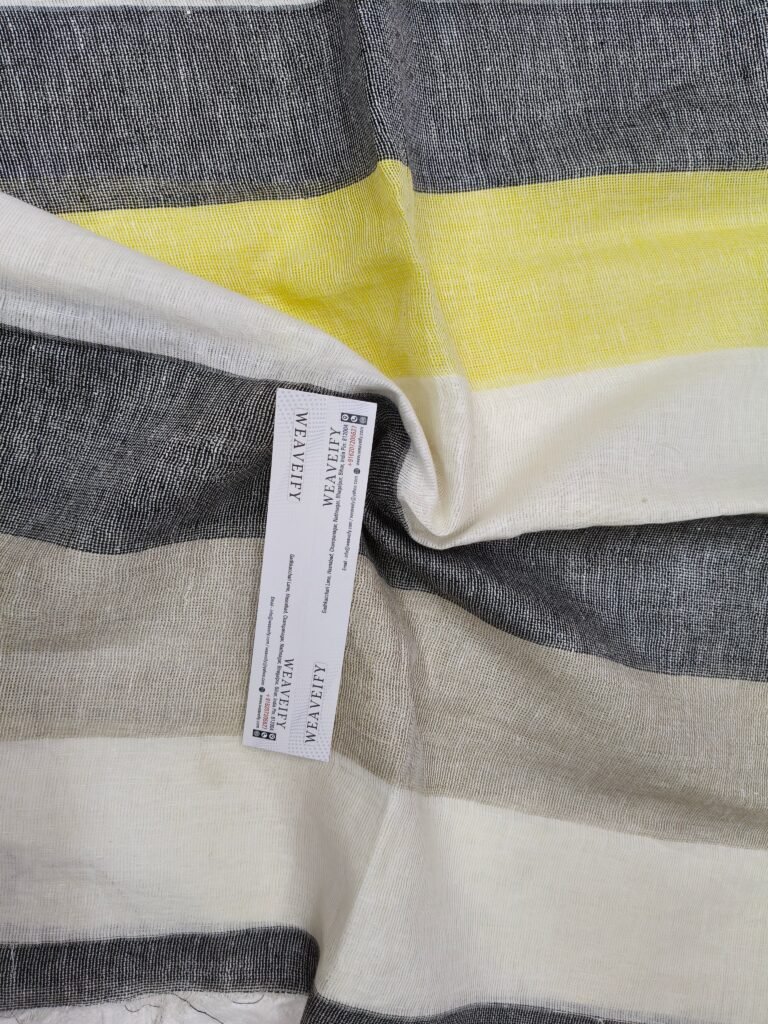
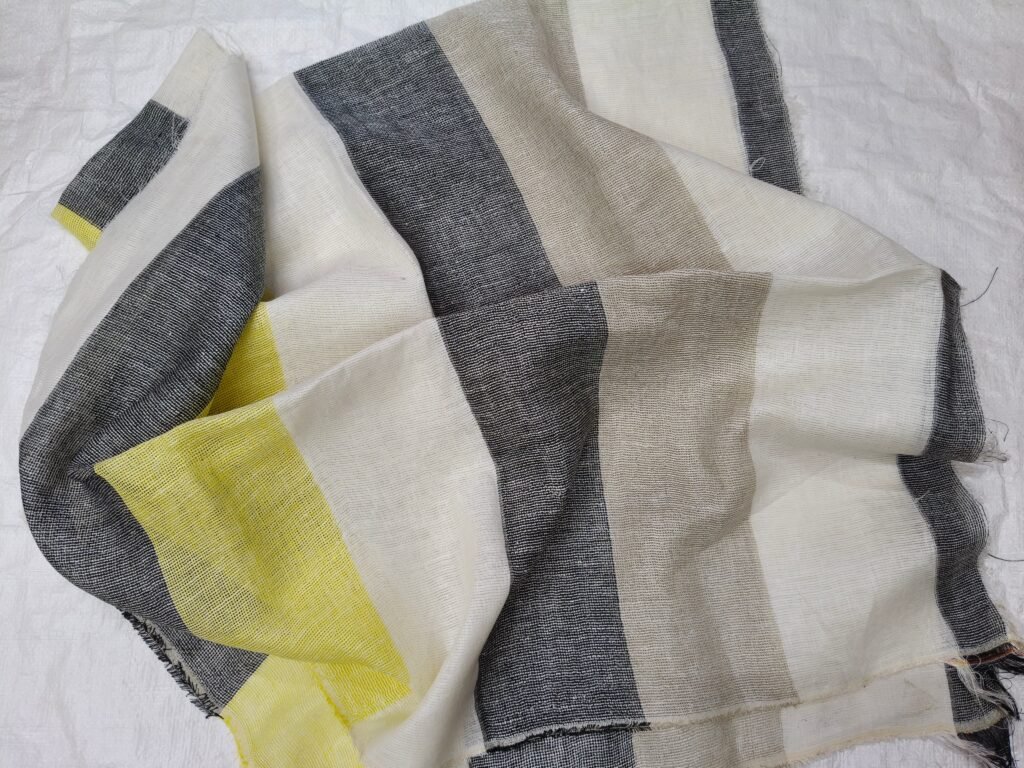
🌍 Mistake 1: Not Approving Samples Before Bulk Production
One of the biggest errors buyers make is placing bulk orders without proper sample approval.
Why This Is Risky:
- Fabric texture may differ
- GSM may vary
- Color shade may not match
- Shrinkage issues may arise
Always approve:
- Lab dip or color swatch
- Physical fabric sample
- Print or embroidery sample
👉 Read: How to Verify an Indian Fabric Supplier Before Placing Your First Order
🧵 Mistake 2: Not Defining Clear Fabric Specifications
Many disputes occur because specifications were not clearly defined.
Always specify:
- Fiber composition
- GSM
- Width
- Shrinkage tolerance
- Dyeing process
- Finishing details
Clear documentation prevents misunderstandings.
📜 Mistake 3: Ignoring Compliance Requirements
Buyers in Europe and USA must consider:
- REACH compliance
- AZO-free dye requirements
- Fiber labeling rules
- Import documentation
Ignoring compliance can delay shipments or cause customs rejection.
🔗 External Reference:
https://www.trade.gov/textiles-apparel
📦 Mistake 4: Underestimating Lead Time
India offers flexibility, but production still requires time.
Typical timelines:
- Sampling: 7–10 days
- Custom weaving: 15–30 days
- Bulk orders: depends on quantity
Therefore, always plan seasonal collections well in advance.
💰 Mistake 5: Choosing Only Based on Lowest Price
While cost is important, selecting the cheapest supplier often leads to:
- Inconsistent quality
- Poor communication
- Delays
- Compliance issues
Instead, evaluate:
- Experience
- Transparency
- Export history
- Communication quality
🌎 Mistake 6: Not Understanding Incoterms
Many buyers misunderstand FOB, CIF, and EXW terms.
As a result, unexpected logistics costs appear later.
Always clarify:
- Who pays freight
- Who handles insurance
- Who manages customs clearance
📞 Mistake 7: Weak Communication
Clear communication is essential, especially across time zones.
Buyers should:
- Confirm all details in writing
- Keep structured order sheets
- Request production updates
- Schedule video calls when needed
Strong communication prevents delays.
🌿 Mistake 8: Ignoring Sustainability Trends
European and Australian markets increasingly demand:
- Natural fibers
- Ethical sourcing
- Reduced chemical usage
- Transparent supply chains
Therefore, ignoring sustainability reduces competitiveness.
❓ Quick Buyer Questions
Is sourcing fabric from India risky?
No, if you verify the supplier, approve samples, and confirm compliance.
What is the most common mistake?
Skipping proper sample approval before bulk production.
How can buyers reduce sourcing risk?
Work with experienced exporters, define specifications clearly, and maintain communication.
🤝 How Weaveify Helps Buyers Avoid These Mistakes
At Weaveify, we focus on transparency and structured sourcing.
We provide:
- Linen, cotton, slub, khadi jute
- Banana silk & viscose
- Tussar, Muga, Ghicha, Chanderi, Organza & Raw silk
- Digital printing & embroidery
- Sample approval before bulk
- Compliance support
- Clear documentation
- Flexible MOQ
Because we work directly with weaving clusters, we maintain better quality control and communication.
👉 Contact Weaveify
👉 Fabrics Weaveify
🎯 Summary
What are the most common mistakes when sourcing fabric from India?
Skipping sample approval, ignoring compliance requirements, unclear specifications, misunderstanding Incoterms, and choosing suppliers only based on price are the most common mistakes. Working with reliable exporters like Weaveify helps avoid these risks.
Pingback: What Is Tussar Silk Fabric? Uses, Characteristics & Buyer Guide