
Boutique owners and emerging fashion brands increasingly look toward India for private label fabric manufacturing. Because India offers diverse natural fibers, flexible MOQs, and skilled artisan clusters, it has become a preferred sourcing destination for small and mid-size brands across Europe, USA, Canada, Australia, and the Gulf.
However, private label development requires proper planning. In this guide, we explain how boutique owners can successfully develop custom fabrics in India—from sampling to final export.
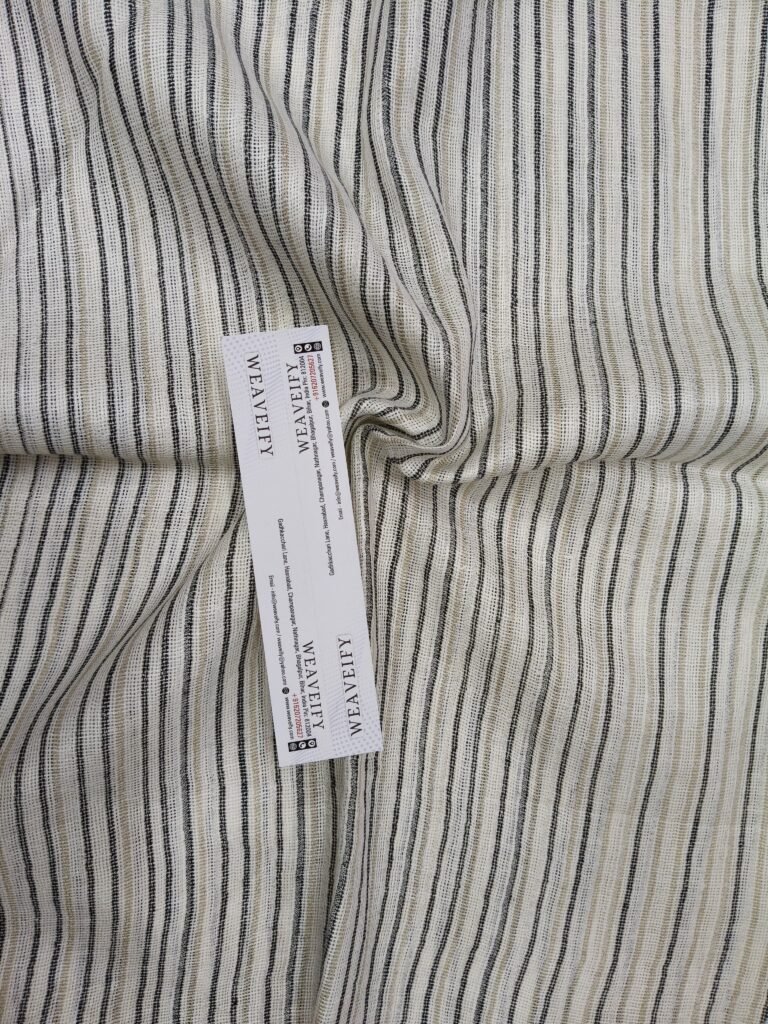
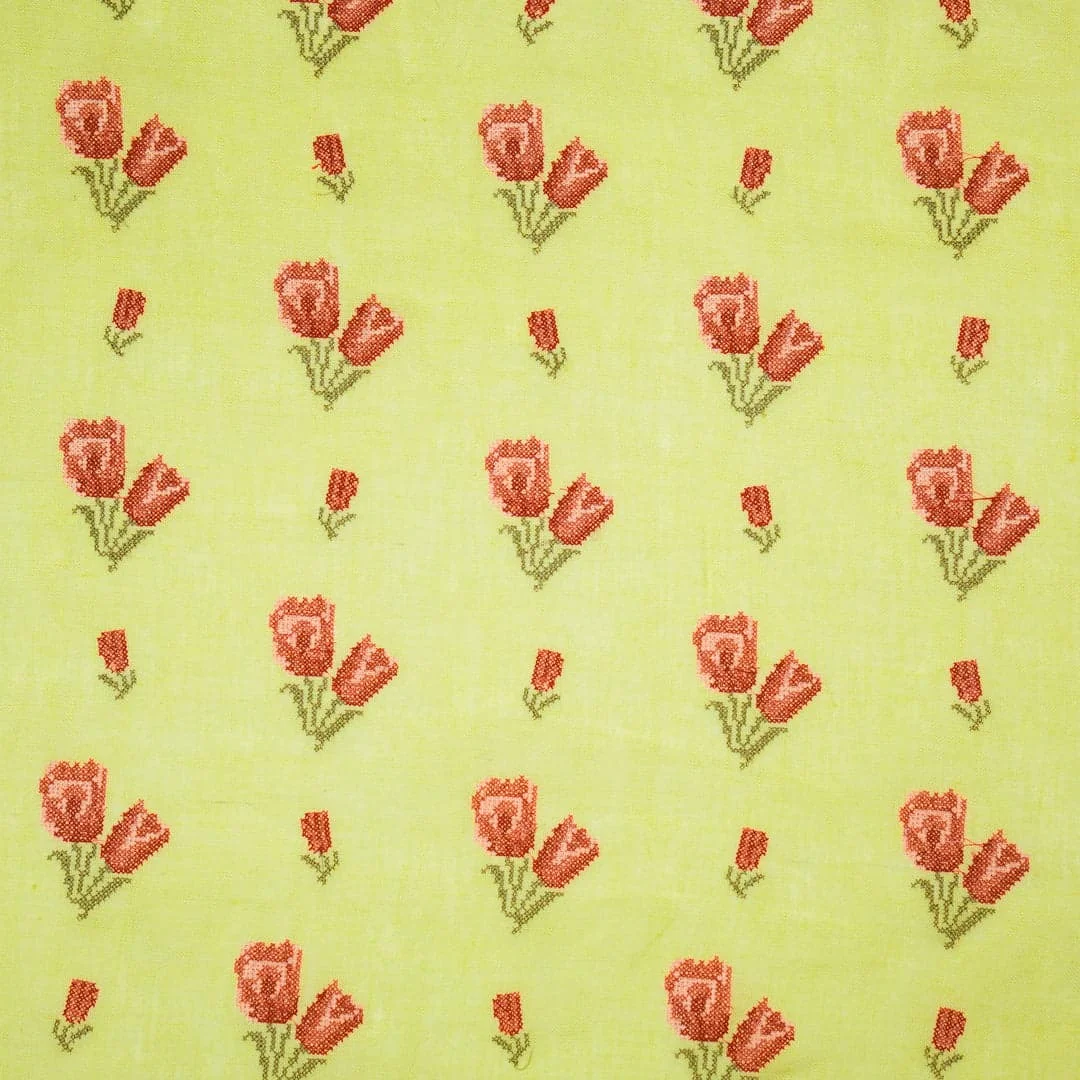
🌍 Why India Is Ideal for Private Label Fabric Manufacturing
India offers:
- Wide fabric range (linen, cotton, silk, sustainable blends)
- Custom weaving capabilities
- Digital printing & embroidery
- Flexible MOQ
- Competitive pricing
- Strong export infrastructure
Therefore, boutique brands can create unique collections without large-scale factory commitments.
🧵 Step 1: Choose the Right Base Fabric
Before development, define your target market and product category.
Popular Private Label Fabrics:
- Linen & linen-cotton (resort wear)
- Cotton & slub (casual wear)
- Tussar, Ghicha & Muga silk (luxury lines)
- Khadi jute & banana silk (sustainable brands)
- Organza & raw silk (occasion wear)
👉 Read our complete guide:
Complete Guide to Indian Textile Fabrics for Global Buyers
🎨 Step 2: Customization Options
Private label fabrics can be customized in several ways:
- Custom yarn counts
- Specific GSM
- Color matching
- Digital printing
- Embroidery
- Custom weaving patterns
- Branding tags & packaging
Because Indian manufacturers support small batch development, boutique owners can test collections before scaling.
📦 Step 3: Understand MOQ & Sampling
Typical Structure:
- Sampling: small yardage
- Development phase: 10–20 meters
- Bulk production: 50–100 meters per color/design
Flexible MOQ makes India suitable for:
- Capsule collections
- Limited edition launches
- Seasonal drops
📜 Step 4: Compliance & Documentation
For boutiques selling in EU or USA, compliance matters.
Ensure supplier supports:
- AZO-free dye confirmation
- REACH awareness
- Fabric composition documentation
- Export invoices & HS codes
🔗 Reference:
https://www.trade.gov/textiles-apparel
🚢 Step 5: Shipping & Incoterms
Private label orders typically use:
- FOB (Free on Board)
- CIF (Cost Insurance Freight)
- DAP (Door delivery on request)
Air freight works for smaller boutique orders, while sea freight suits larger programs.
🌎 Insight: Boutique Market Preferences
- Europe: Sustainable linen & handloom silk
- USA: Boutique-ready cotton & silk blends
- Australia: Lightweight summer fabrics
- Canada: Ethical sourcing transparency
- UK: Artisan storytelling
Therefore, positioning your private label fabrics correctly improves retail success.
❓ Frequently Asked Questions
Can small boutique brands develop private label fabrics in India?
Yes. Many Indian manufacturers offer flexible MOQ suitable for boutique owners.
Is sampling required before bulk production?
Absolutely. Sampling ensures fabric quality and design accuracy.
How long does private label development take?
Sampling usually takes 7–10 days, while bulk production takes 15–30 days depending on complexity.
🤝 Why Boutique Owners Choose Weaveify
Weaveify works directly with weaving clusters and supports private label fabric development.
We provide:
- Linen, cotton, slub, khadi jute
- Banana silk & viscose blends
- Tussar, Muga, Ghicha, Chanderi, Organza & Raw silk
- Digital printed & embroidered fabrics
- Custom sampling
- Flexible MOQ
- Export documentation support
Because we combine artisan craftsmanship with export experience, boutique brands build unique collections confidently.
🎯 Summary
How can boutique owners develop private label fabrics in India?
By selecting the right base fabric, requesting samples, confirming MOQ, ensuring compliance, and partnering with experienced exporters like Weaveify, boutique brands can build unique collections efficiently.