
Best Indian Fabrics for Sustainable Fashion Brands in 2026
From linen and cotton to khadi, jute and silk, Indian textiles offer a wide range of material directions for thoughtful apparel collections. The key is to assess the complete supply chain—not just the fibre name.
Sustainable fashion brands need fabrics that suit their design, perform well in use and can be sourced with credible information about materials and production. India’s textile ecosystem includes natural-fibre fabrics, handloom and powerloom weaving, traditional silk varieties, and specialist printing and embroidery capabilities.
There is no single fabric that is automatically sustainable in every situation. Environmental and social impacts depend on fibre cultivation or extraction, spinning, weaving, dyeing, finishing, transport, durability, care and end-of-life options. A responsible buyer therefore compares the actual product and its production route rather than relying on broad labels such as “eco-friendly” or “green”.
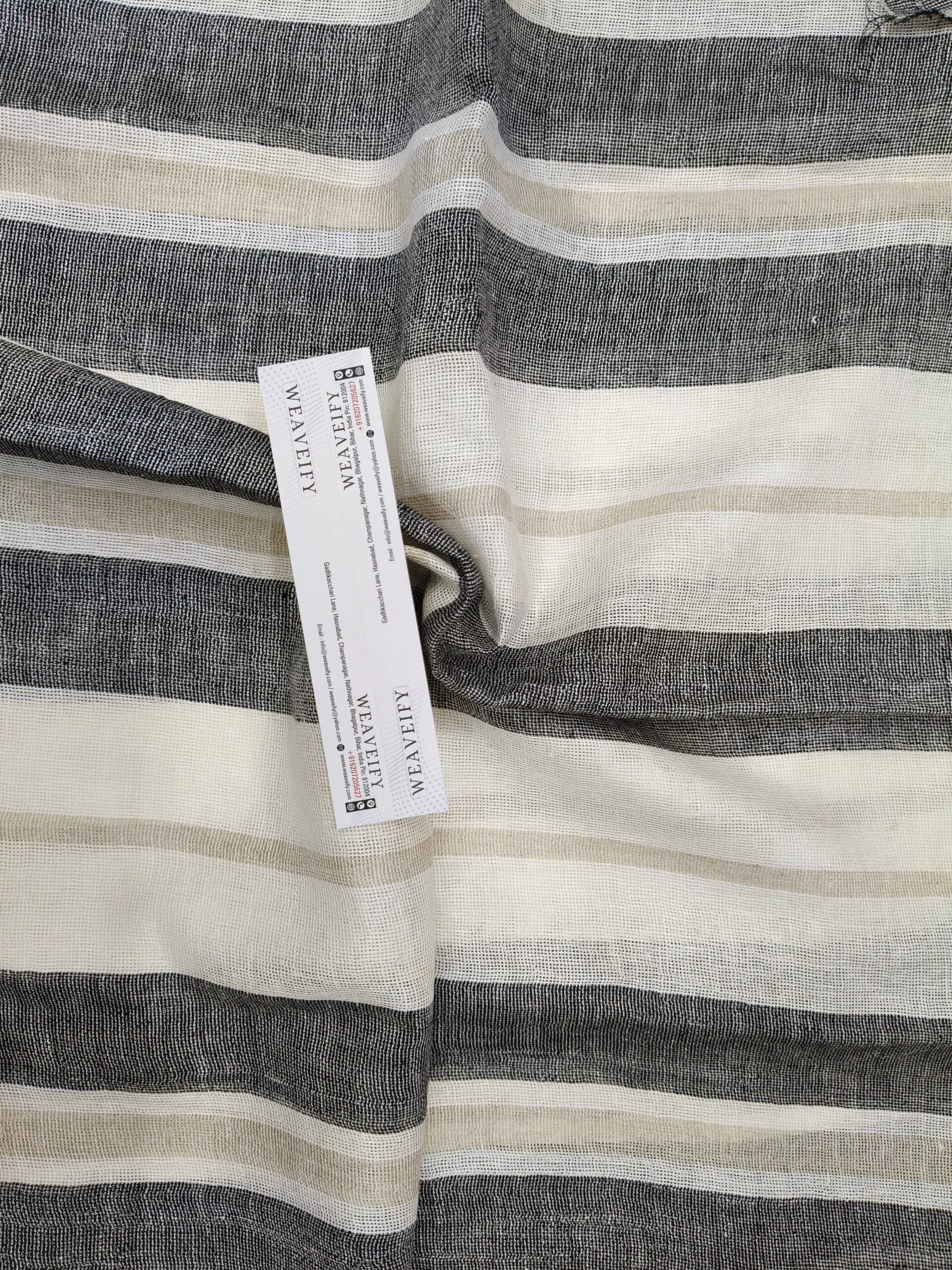
1. What Makes a Fabric a Responsible Choice?
For fashion brands, a useful fabric assessment considers several connected factors:
- Fibre source: what the fibre is, where it comes from and how it is produced.
- Resource use: water, energy, land and agricultural inputs associated with the material and its processing.
- Chemical management: dyes, auxiliaries, finishes and wastewater treatment.
- Durability: whether the fabric can withstand the intended use and care routine.
- Social conditions: worker safety, fair treatment, wages and transparency in the supply chain.
- Traceability: whether the supplier can substantiate fibre, process, origin and certification claims.
- End of life: whether fibre blends, coatings, trims and finishes affect repair, reuse or recycling.
2. Linen: A Strong Option for Long-Wearing Apparel
Linen is made from flax fibres. It is valued for its distinctive texture, breathability and ability to create relaxed, structured or softly draped garments depending on yarn, weave and finish. It is often considered for warm-weather collections and products designed for repeated wear.
Why brands consider linen
- Flax can grow in a range of climates, and some cultivation systems require comparatively modest irrigation; actual impacts vary by region and farming practice.
- Linen fabrics can be durable when appropriately constructed and cared for.
- Its natural texture can support timeless designs rather than short-lived surface trends.
- It can be used for shirts, dresses, trousers, co-ordinates and resort apparel.
What to verify
Confirm whether the fabric is 100% flax linen or a blend, the origin of the fibre if claimed, GSM, usable width, yarn and weave details, finishing chemistry, shrinkage and colourfastness. “Linen look” may describe a blend or a textured construction rather than pure linen.
Explore Weaveify linen fabrics.
3. Cotton: Versatile, Familiar and Specification-Dependent
Cotton is widely used across apparel because it can be woven into many constructions and adapted to different weights and finishes. It may suit shirts, dresses, casualwear, tunics and everyday collections.
Conventional cotton cultivation can involve significant water, pesticide and fertilizer inputs, although impacts vary considerably by growing region and production system. Better farming practices, verified organic production and efficient processing may improve particular impact areas, but claims should be supported by documentation.
Responsible cotton sourcing questions
- Is the fabric conventional, organic or another specifically defined cotton type?
- Can the supplier provide transaction or chain-of-custody evidence for an organic claim?
- What dyeing and finishing processes are used?
- Are shrinkage and colourfastness tested against the intended garment use?
- Is the fabric designed for durability and practical care?
Handloom cotton may use less loom electricity than some mechanised alternatives, but total impact also depends on yarn production, dyeing, finishing, transport and working conditions. Do not treat “handloom” as a complete sustainability certification.
Explore Weaveify cotton fabrics.
4. Khadi and Handwoven Fabrics: Craft, Scale and Traceability
Khadi is associated with hand-spun yarn and handwoven cloth in the Indian context. Handloom fabrics can provide distinctive texture and a connection to skilled weaving communities. They can be a meaningful choice for brands that value craft and slower production models.
However, the environmental profile depends on the full process. Hand spinning and weaving do not remove impacts from fibre cultivation, yarn preparation, dyeing, washing or finishing. Social benefits also depend on transparent purchasing practices and fair compensation for artisans.
What boutique and fashion buyers should request
- Clear description of the fibre composition and yarn source.
- Accurate explanation of whether spinning and weaving are hand processes.
- Artisan or producer-group details where these are part of the brand story.
- Realistic production capacity, lead time and repeat-order limitations.
- Evidence supporting any formal Khadi or handloom certification claim.
Do not use the terms “Khadi”, “handloom” or “artisan-made” interchangeably. Ask the supplier to describe the actual process and any applicable certification or mark.
5. Jute and Cotton-Jute Blends: Textured Natural-Fibre Options
Jute is a plant-based bast fibre used in yarns and textiles. It is valued for its strength and characteristic coarse texture. In apparel, jute is more likely to be used in selected blends or design details than as a universal substitute for soft garment cotton or linen.
Jute blends can alter handle, drape, abrasion, comfort and care behaviour. The suitability of a fabric depends on the proportion of jute, the other fibres, yarn construction and finishing. Some jute textiles are developed for furnishing or packaging rather than direct skin-contact apparel, so confirm the intended end use before ordering.
Questions to ask
- What is the exact jute and companion-fibre percentage?
- Is the fabric designed and tested for apparel use?
- How does it feel against skin and how does it drape?
- What care instructions and shrinkage should be expected?
- Are softening treatments or coatings used, and can they be documented?
6. Banana Fibre Textiles: An Emerging Material to Investigate Carefully
Banana fibre can be extracted from parts of the banana plant, including pseudostem material left after fruit harvesting. It has potential as a textile resource in suitable production systems. However, the term “banana silk” is used inconsistently in the market and may describe different fibre types, yarn constructions or fabric blends.
Do not assume every product sold as banana silk is made entirely from banana fibre, uses agricultural waste, or has a lower environmental footprint than conventional textiles. Ask for the exact composition, fibre extraction method, yarn details, processing route and supporting evidence.
For apparel, assess softness, drape, abrasion, seam behaviour, wash performance and consistency between lots. Request a physical sample and test a prototype garment before making material claims to customers.
7. Tussar Silk: Distinctive Texture for Premium Apparel
Tussar is a group of wild silk types associated with distinctive natural texture and lustre. It can add visual depth to dresses, jackets, occasionwear and premium separates. The specific characteristics vary by silk source, yarn preparation, weaving and finishing.
Silk is a natural protein fibre, but natural origin alone does not establish that a product is cruelty-free, low-impact or fully traceable. Brands should ask how the silk is obtained, whether the process is specified, what the fibre composition is and whether any animal-welfare or environmental claim is independently substantiated.
Explore Tussar silk fabric.
8. Ghicha Silk: Spun-Silk Character and Material Clarity
Ghicha is commonly associated with spun silk yarn made from shorter or otherwise unreelable silk fibres. It can have an irregular, textured character that works well in expressive apparel and craft-led collections. Trade usage and exact composition can vary, so obtain a precise specification rather than relying on the name alone.
Ask whether the fabric uses 100% silk or a blend, whether the yarn is spun or reeled, what the weight and width are, and how the fabric should be cleaned. Confirm the source of the silk if the collection makes a regional or ethical-origin claim.
Explore Ghicha silk fabric.
9. Muga and Other Specialty Silks: Premium Does Not Automatically Mean Sustainable
Muga silk is especially associated with Assam and its characteristic golden appearance. It can provide a distinctive material story for premium apparel. Yet rarity, traditional association or high price should not be used as substitutes for evidence of responsible production.
For Muga and other specialty silks, verify the species or silk type where relevant, geographic-origin claims, fibre composition, production route, processing and documentation. Make sure the final fabric specification matches the product description used in marketing.
Explore Muga silk and the wider silk fabric range.
10. Silk Blends, Chanderi and Organza: Assess the Actual Composition
Some fabrics are identified by a weaving tradition, construction or trade name rather than a single fibre. Chanderi, for example, may use silk, cotton, zari or combinations depending on the product. Organza describes a crisp, sheer fabric construction and can be made from silk or manufactured fibres.
For sustainability reporting and accurate product labels, always use the verified fibre composition rather than assuming the name tells you the material. Blends can affect comfort, care, durability and recyclability. Metallic yarns, coatings and special finishes may also influence end-of-life options.

11. Comparing Indian Fabric Options for Sustainable Apparel
| Fabric family | Potential apparel use | Key sustainability questions |
|---|---|---|
| Linen | Shirts, dresses, trousers, resortwear | Flax origin, retting, processing, finishing, durability and care |
| Cotton | Everyday apparel, shirts, dresses, casualwear | Farming method, verified organic status, water and chemical management |
| Khadi / handloom | Craft-led apparel, relaxed silhouettes, capsule ranges | Actual spinning/weaving process, artisan conditions, traceability and certification |
| Jute blends | Selected textured apparel and design details | Exact blend, skin comfort, apparel suitability, finishing and care |
| Banana-fibre textiles | Specialty or experimental apparel | Exact fibre content, extraction process, blends and verified impact evidence |
| Tussar / Ghicha / Muga silk | Premium separates, dresses and occasionwear | Silk source, animal-welfare claims, processing, origin and durability |
| Chanderi / Organza | Layering, occasionwear and design features | Actual fibre composition, metallic content, finishes and recyclability |
This comparison is a sourcing guide, not a verified environmental ranking or lifecycle assessment. A fabric’s impact depends on its specific supply chain and intended use.
12. Why Durability and Garment Design Matter
A fabric’s sustainability cannot be judged only at the raw-material stage. A garment that is worn frequently, maintained properly and kept in use for a long time may deliver better value than a fragile product that is quickly discarded. Fabric choice should therefore support the intended garment life.
- Match fabric strength and construction to the garment’s stress points.
- Test shrinkage and colourfastness using realistic care conditions.
- Choose suitable seam construction, lining and trims.
- Consider repairability and whether the garment can be altered.
- Avoid unnecessary blends or coatings if they compromise the intended reuse or recycling pathway.
- Provide customers with accurate care instructions.
13. Dyeing, Printing and Finishing: The Often-Overlooked Impacts
Natural-fibre content does not tell the whole environmental story. Wet processing can involve substantial water, energy and chemicals. Printing and embroidery can also affect material use, waste, durability and recyclability.
Ask suppliers about dyeing and finishing locations, wastewater treatment, chemical management, colourfastness, restricted-substance testing and relevant process certifications. For printed fabrics, confirm the ink or dye system and its suitability for the base cloth. For embroidery, consider thread composition, backing materials and whether the added components complicate recycling.
Useful questions include:
- Which facility performs dyeing, printing and finishing?
- Are wastewater and chemical controls documented?
- Can the supplier provide test reports for the buyer’s required standards?
- Are claims such as low-impact dyeing or recycled content supported by current evidence?
14. Certifications, Standards and Environmental Claims
Certifications can help buyers evaluate specific aspects of a supply chain, but each standard has a defined scope. A certificate for one facility, product or process does not automatically cover every fabric or every stage of production.
- GOTS: addresses organic fibres and environmental and social criteria across covered textile processing stages. Verify the product and supply-chain scope in the certificate.
- OCS: verifies the presence and amount of organically grown material through the chain of custody; it is not a complete environmental-performance certification.
- OEKO-TEX STANDARD 100: tests textiles for harmful substances within its defined criteria. It does not by itself certify that a fabric is organic or carbon-neutral.
- OEKO-TEX STeP: assesses sustainable production conditions at facilities under its scope.
- Fairtrade and other social standards: have specific coverage and eligibility rules; verify what the certificate actually applies to.
Check certificate validity, holder name, facility, product category, transaction documentation and scope. A supplier’s general statement that it is “certified” is not enough to substantiate a claim about a particular shipment.
Reference resources: Global Organic Textile Standard (GOTS), OEKO-TEX, and the United Nations Sustainable Development Goals.
15. How International Brands Can Source Indian Fabrics Responsibly
- Define the product: identify garment type, customer, performance needs and expected useful life.
- Choose a material direction: shortlist fabrics based on function and verified composition, not trend labels alone.
- Write a specification: record fibre percentages, construction, GSM, width, colour, finish and tolerances.
- Map the supply chain: identify who spins, weaves, dyes, prints, embroiders, finishes and packs the fabric.
- Request evidence: obtain certificates, transaction records, test reports and origin information relevant to your claims.
- Approve samples: evaluate fabric appearance, hand feel, garment performance and care behaviour.
- Assess supplier practices: discuss worker conditions, subcontracting, wastewater and chemical management where relevant.
- Confirm commercial terms: agree MOQ, price, lead time, inspection, payment, Incoterm and documentation.
- Keep records: retain approved samples, supplier declarations, test reports and shipment documents.
- Review after delivery: compare bulk fabric with the approved standard and record any issues for future orders.
16. Market Requirements: Avoid Generalizing by Country
Demand for traceability and responsible materials exists across many fashion markets, but requirements differ by product, buyer, country and sales channel. A brand selling finished apparel may face labelling and product obligations that do not apply in exactly the same way to a business importing fabric by the metre.
For EU sales, review applicable textile fibre-name and labelling rules, REACH chemical restrictions and relevant product requirements. For the United States, assess applicable fibre-content, country-of-origin and care-labelling obligations for the product being sold. Other destinations may have their own rules for chemicals, consumer information, customs and environmental claims.
Do not assume a certificate or test report automatically grants market access. Confirm current requirements with the relevant regulator, customs broker, testing body or qualified compliance adviser before shipment.
17. How to Avoid Greenwashing in Your Brand Story
Customers increasingly expect specific, supportable information. Broad statements such as “100% sustainable”, “zero impact”, “completely eco-friendly” or “ethical silk” can be misleading unless they are clearly defined and substantiated.
- Say “made with 100% linen” only when composition is verified.
- Use “organic cotton” only when the claim is supported by appropriate certification or evidence under the applicable rules.
- Describe a fabric as handwoven only when the process is confirmed.
- Do not describe a product as biodegradable without considering dyes, blends, coatings, trims and the conditions required for biodegradation.
- State the scope of certifications and test reports accurately.
- Distinguish supplier-level information from independently verified product-level evidence.
18. Why Explore Weaveify for Indian Apparel Fabrics?
Weaveify is an India-based textile manufacturer, order supplier and exporter focused on fabrics for apparel applications. Its range includes linen, cotton, silk varieties and selected specialty fabrics, with printed and embroidered options.
For each enquiry, buyers should confirm the exact fibre composition, construction, production method, available customization, MOQ, lead time and supporting documentation. Sustainability claims should be assessed against the specific product and process; they should not be inferred from a fibre name or supplier description alone.
Explore Weaveify’s fabric range, including linen, cotton, silk, printed fabric and embroidered fabric.
19. Sustainable Fabric Buyer Checklist
- ☐ Intended garment, customer and expected product life defined
- ☐ Exact fibre composition and blend percentages confirmed
- ☐ GSM, width, construction and finish specified
- ☐ Fibre origin and process claims documented where relevant
- ☐ Dyeing, printing and finishing facilities identified
- ☐ Relevant chemical and performance tests reviewed
- ☐ Certifications checked for validity, scope and product coverage
- ☐ Supplier and subcontractor responsibilities clarified
- ☐ Sample and garment prototype approved
- ☐ MOQ, lead time, price and Incoterm agreed
- ☐ Import, labelling and destination-market obligations reviewed
- ☐ Records retained to substantiate customer-facing claims
Frequently Asked Questions
1. Which Indian fabric is the most sustainable?
There is no universal winner. Linen, cotton, khadi, jute and selected silk fabrics each have different impacts. The best option depends on fibre production, processing, durability, supply-chain practices and the garment’s intended use.
2. Is linen always more sustainable than cotton?
Not automatically. Flax cultivation can have certain resource advantages in some regions, but impacts vary with farming, retting, processing, dyeing, finishing and transport. Compare product-specific evidence rather than assuming a fixed ranking.
3. Is handloom fabric eco-friendly?
Handloom weaving may reduce loom electricity use and support craft livelihoods, but the total impact also includes fibre production, yarn preparation, dyeing, finishing and transport. Social benefits depend on actual working and payment conditions.
4. Is Khadi the same as handloom cotton?
No. Khadi is associated with hand-spun yarn and handwoven cloth, while handloom cotton describes cotton fabric woven on a handloom. Verify the process and any formal Khadi claim with the supplier.
5. Is jute suitable for clothing?
Some jute blends may be suitable for selected apparel designs, but many jute fabrics are too coarse for direct skin-contact clothing. Confirm composition, softness, drape, finishing and care requirements using a sample.
6. Is banana silk really made from banana fibre?
The market term can be used inconsistently. Ask for the exact fibre composition, extraction method, yarn details and any blend content before describing the material to customers.
7. Are Tussar and Ghicha silk sustainable?
They are natural silk materials with distinctive characteristics, but their environmental and social impacts depend on silk sourcing, rearing or collection practices, processing, dyeing and working conditions. Natural fibre alone does not prove ethical or low-impact production.
8. Is Muga silk an eco-friendly fabric?
Muga is a specialty silk associated with Assam. Its origin and natural properties do not automatically establish environmental performance. Verify species or silk type, origin, production methods and processing evidence.
9. Is organic cotton always better?
Organic standards can address specified farming and processing requirements, but the full impact still depends on water, energy, dyeing, finishing, transport and garment life. Check the certification scope and transaction evidence.
10. What is the difference between GOTS and OEKO-TEX STANDARD 100?
They address different things. GOTS covers organic fibres and defined environmental and social criteria across certified processing stages. OEKO-TEX STANDARD 100 tests products for harmful substances within its criteria; it does not mean the product is organic.
11. How can a brand verify a supplier’s sustainability claims?
Request relevant certificates, transaction documents, test reports, fibre declarations and details of processing facilities. Verify the certificate holder, scope, validity and product coverage with the issuing organization.
12. Does natural fibre mean biodegradable?
Not necessarily in the finished product. Blends, dyes, coatings, finishes, metallic components and trims can change biodegradation conditions and outcomes. Use specific evidence before making a biodegradability claim.
13. Can sustainable Indian fabrics be ordered in bulk?
Many fabric types can be produced or supplied in commercial quantities, subject to supplier capability, raw-material availability, construction, colour and processing minimums. Confirm MOQ and lead time for the exact specification.
14. What tests should I request for sustainable apparel fabric?
Depending on the product, consider fibre composition, GSM, width, shrinkage, colourfastness, pilling, abrasion and restricted-substance tests. Select methods and acceptance criteria relevant to the garment and destination market.
15. How can a fashion brand avoid greenwashing?
Use precise claims supported by evidence. State the actual fibre content, verified process and certification scope. Avoid absolute claims such as “zero impact” or “100% sustainable” unless they are clearly defined and robustly substantiated.
Looking for Indian fabrics for your next apparel collection?
Tell us about your fabric preference, composition, GSM, width, colour, intended garment, estimated quantity and destination market. Weaveify can review your requirements and discuss available fabric options, samples and export details.
Related reading: Guide to importing textile fabrics from India · Fabric GSM guide for international buyers · Common mistakes when sourcing fabric from India.
Pingback: Complete Guide to Importing Textile Fabrics from India for International Buyers