
India is one of the world’s most diverse textile sourcing destinations. Because of its deep-rooted weaving traditions, natural fibers, and skilled artisan clusters, global brands continue to source fabrics from India for fashion, resort wear, luxury collections, and sustainable apparel.
For buyers across Europe, the Gulf, North & South America, Australia, and New Zealand, understanding Indian textile fabrics is the key to sourcing the right material at the right price.
This guide explains all major Indian textile fabrics—from breathable linen to luxury silks—along with textures, uses, and buyer tips, helping you source with confidence.
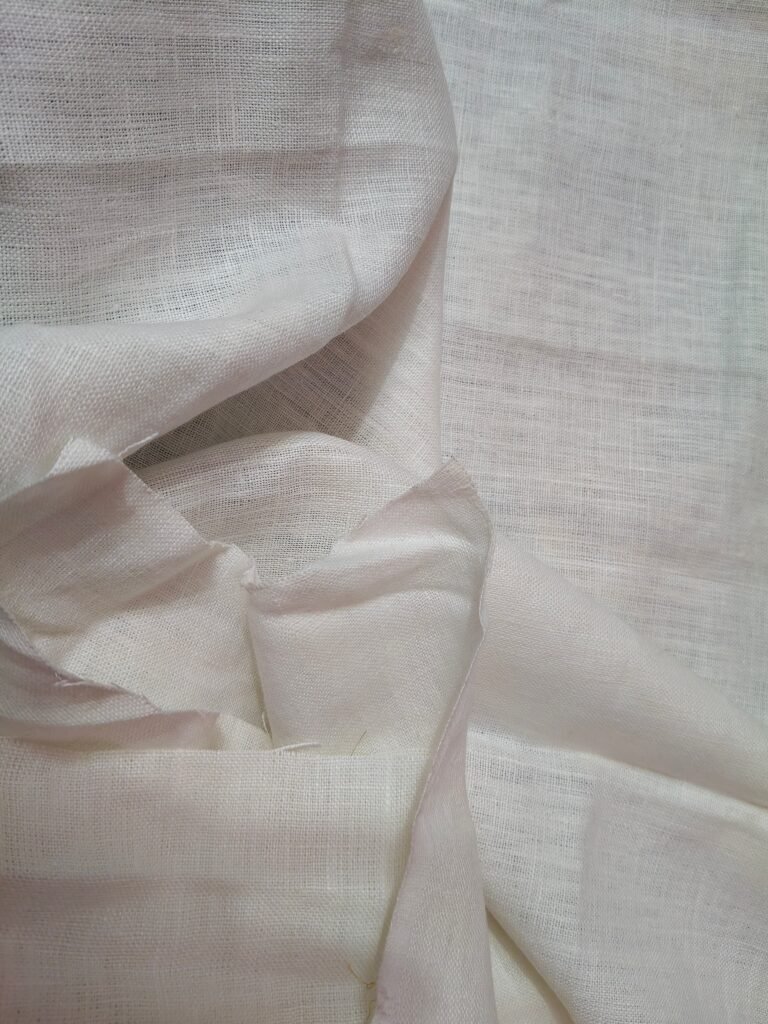
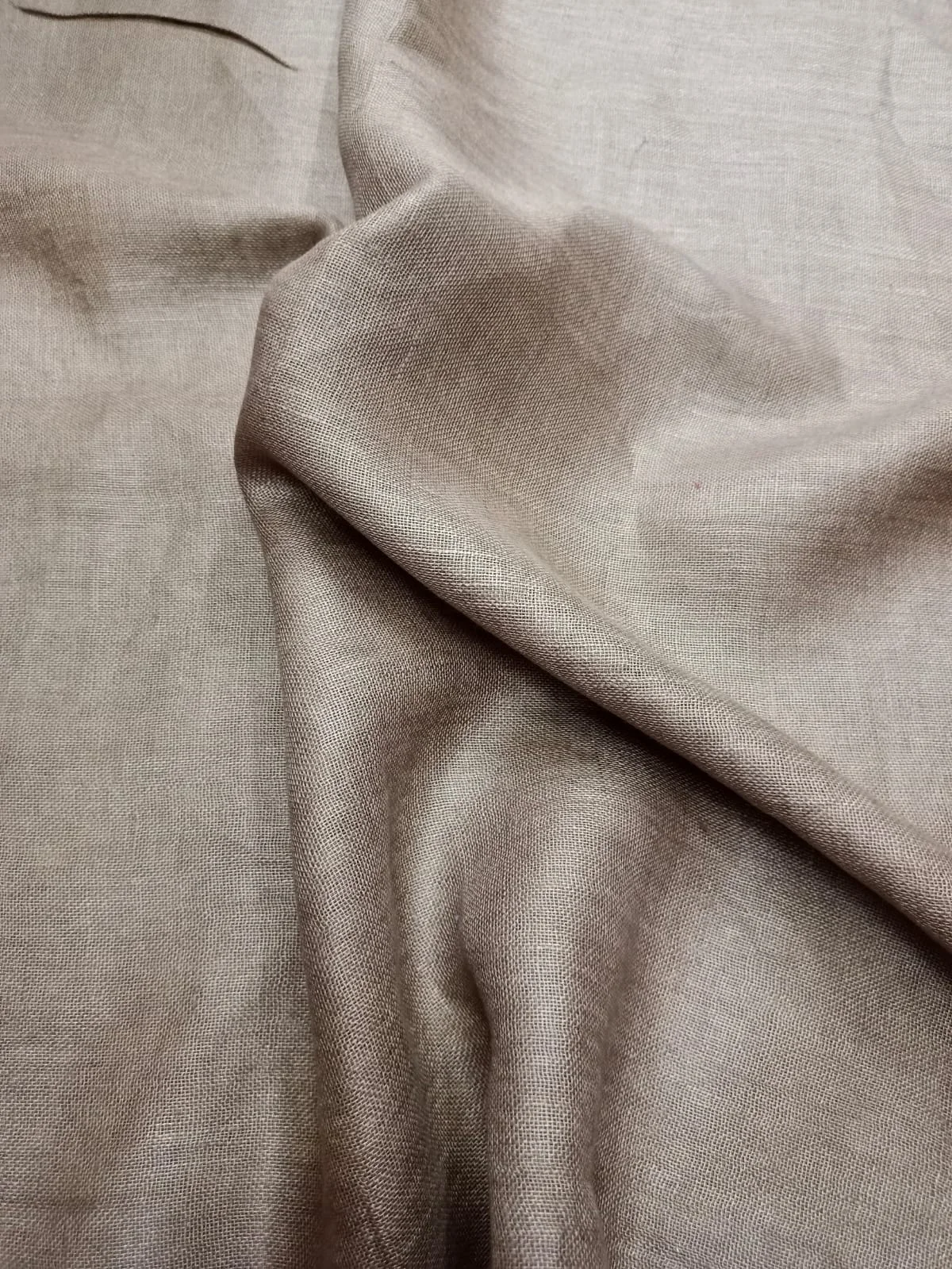
🌍 Why Global Buyers Source Textile Fabrics from India
International brands choose India because it offers:
- A wide range of natural fibers
- Handloom and powerloom options
- Ethical and sustainable production
- Competitive export pricing
- Custom weaving, printing, and embroidery
- Skilled artisan communities
As a result, India serves both mass-market and premium brands with equal efficiency.
🌿 1. Linen Fabric – Breathable, Sustainable & Global Favorite
Linen is one of the most demanded fabrics in global markets, especially in Europe, Australia, and resort destinations.
Texture & Feel
Crisp, breathable, natural slub texture
Best Uses
- Dresses & shirts
- Resort wear
- Sarees
- Co-ord sets
- Home textiles
Buyer Tip
Handloom linen offers better airflow and durability than machine-made linen.
☁️ 2. Cotton Fabric – Everyday Comfort & High Volume Seller
Cotton remains a core fabric for daily wear and summer collections worldwide.
Texture & Feel
Soft, lightweight, skin-friendly
Best Uses
- Kurtis & dresses
- Tops & tunics
- Casual shirts
- Loungewear
Buyer Tip
Indian handloom cotton absorbs moisture better and performs well in hot climates.
🌾 3. Slub Fabric – Natural Texture for Modern Fashion
Slub fabrics are popular for their uneven yarn texture and handcrafted appearance.
Texture & Feel
Textured, earthy, slightly rustic
Best Uses
- Contemporary dresses
- Jackets
- Ethnic-fusion wear
- Minimalist fashion
🌱 4. Khadi Jute – Sustainable & Artisan-Driven
Khadi Jute blends natural jute fibers with cotton or viscose, making it ideal for eco-conscious brands.
Texture & Feel
Coarse yet breathable
Best Uses
- Sustainable apparel
- Jackets & overlays
- Home décor textiles
🌿 5. Viscose Fabric – Soft Drape & Versatile Styling
Viscose offers the drape of silk with the comfort of cotton.
Texture & Feel
Smooth, flowy, soft
Best Uses
- Dresses
- Tunics
- Printed garments
- Embroidered styles
🍃 6. Banana Silk – Emerging Sustainable Luxury
Banana Silk is gaining global attention as a sustainable alternative to conventional silks.
Texture & Feel
Soft, slightly glossy, eco-friendly
Best Uses
- Ethical fashion collections
- Sarees & dupattas
- Designer garments
🐛 7. Tussar Silk – Natural Luxury with Texture
Tussar Silk, often sourced from Bhagalpur, is one of India’s most valued natural silks.
Texture & Feel
Textured, breathable, natural sheen
Best Uses
- Sarees
- Luxury dresses
- Scarves & stoles
✨ 8. Muga Silk – Rich, Durable & Premium
Muga Silk is known for its natural golden glow and strength.
Texture & Feel
Smooth, rich, structured
Best Uses
- Bridal & festive wear
- Luxury collections
🌾 9. Ghicha Silk – Raw, Artistic & Ethical
Ghicha Silk uses leftover Tussar cocoons, making it eco-friendly and affordable.
Texture & Feel
Raw, uneven, handcrafted
Best Uses
- Ethnic wear
- Fusion fashion
- Dupattas & stoles
💎 10. Chanderi Silk – Light, Elegant & Refined
Chanderi Silk combines silk with cotton or zari.
Texture & Feel
Lightweight, semi-sheer
Best Uses
- Sarees
- Premium dresses
- Occasion wear
🌸 11. Organza Silk – Sheer & High Fashion
Organza Silk is widely used in couture and evening wear.
Texture & Feel
Crisp, transparent, structured
Best Uses
- Designer gowns
- Overlays
- Embroidered silhouettes
🧵 12. Raw Silk – Rustic & Structured Luxury
Raw Silk is loved for its natural texture and body.
Texture & Feel
Firm, slightly coarse
Best Uses
- Jackets
- Structured dresses
- Luxury ethnic wear
🎨 Digital Print & Embroidery Across Fabrics
Indian textiles adapt extremely well to digital printing and embroidery.
Popular Combinations
- Digital printed linen & cotton
- Embroidered silk bases
- Printed viscose & slub fabrics
These finishes increase brand value and retail appeal in global markets.
❓ Common Buyer Questions Answered
Which Indian fabric is best for hot climates?
Linen, cotton, viscose, and Tussar silk.
Which fabrics suit luxury collections?
Tussar, Muga, Organza, Chanderi, Raw Silk.
Which fabrics support sustainable fashion?
Linen, khadi jute, banana silk, Ghicha silk.
🤝 Why Global Buyers Work with Weaveify
Weaveify, based in India’s leading textile clusters, supplies linen, cotton, slub, khadi jute, viscose, banana silk, and luxury silks to buyers worldwide.
What We Offer
- Direct manufacturer sourcing
- Digital print & embroidery support
- Flexible MOQ
- Export documentation
- Ethical & transparent supply chain
- Experience with global buyers
👉 Contact Weaveify
👉 Explore fabrics
🌍 External Reference
Indian textile export overview
🎯 Conclusion
Why is India ideal for global textile sourcing?
Because it offers unmatched fabric diversity—from breathable linen to luxury silks—combined with sustainability, craftsmanship, and export readiness. With partners like Weaveify, global buyers source confidently and efficiently.
Pingback: Private Label Fabric Manufacturing in India: A Complete Guide for Boutique Owners