
Choosing the right fabric is one of the most important decisions for international buyers. Whether you are supplying fashion brands, designers, wholesalers, or retailers, the fabric you choose directly impacts cost, comfort, sustainability, and market acceptance.
Because global markets such as Europe, the Gulf, North & South America, Australia, and New Zealand have different climates and consumer preferences, fabric selection must be done carefully.
In this guide, we explain how to choose the right fabric for export, comparing linen, cotton, silk, and sustainable alternatives, with practical tips for global buyers.
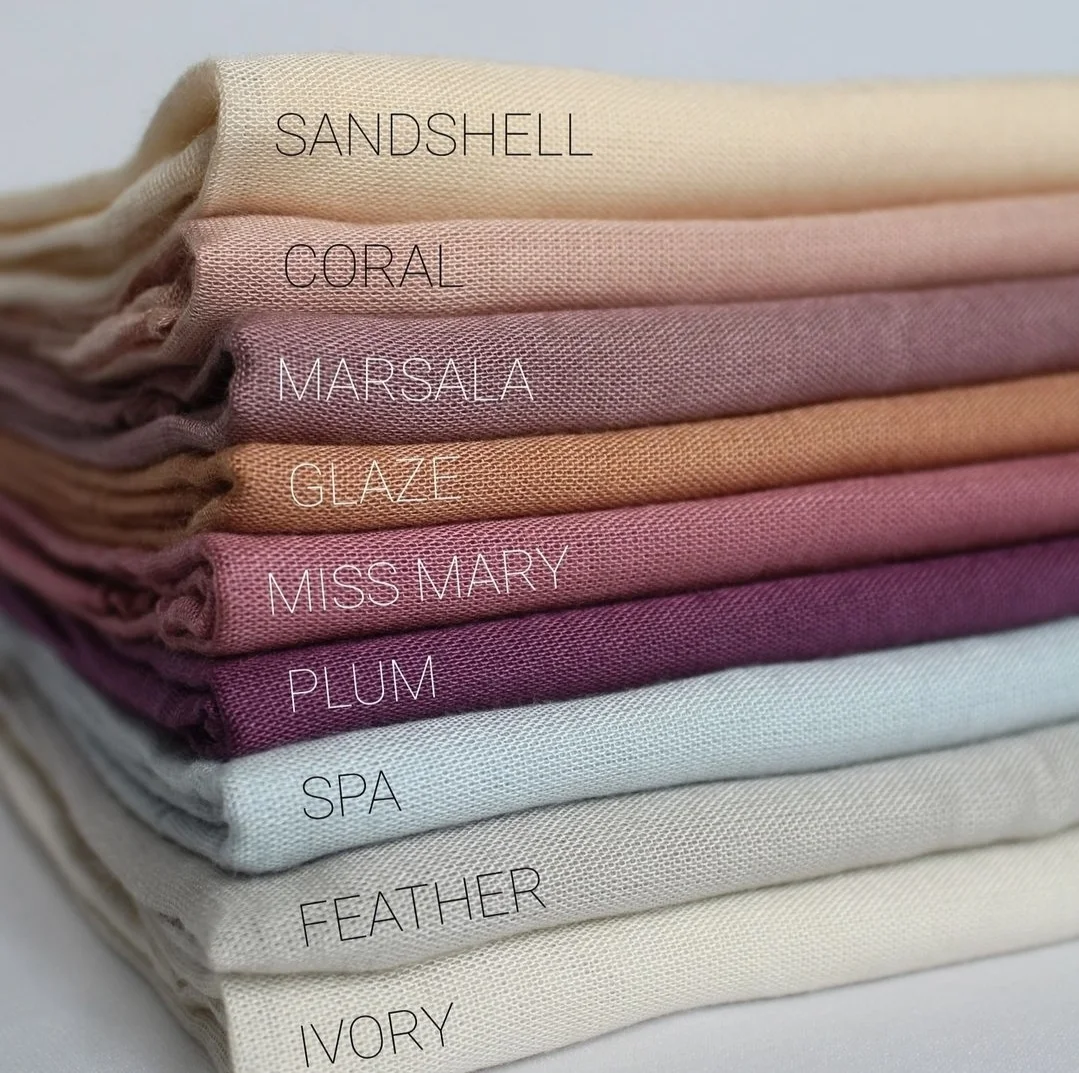
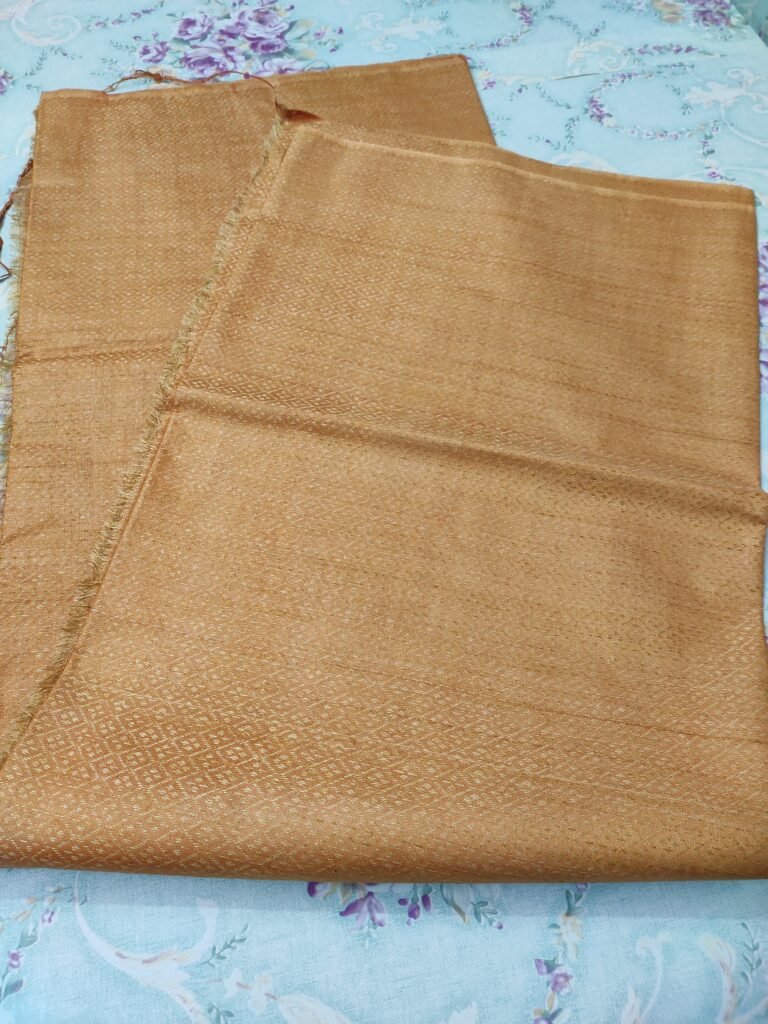
.
🌍 Step 1: Understand the Target Market & Climate
Before selecting any fabric, buyers should first identify where the product will be sold.
Climate-Based Fabric Preferences
- Europe & Australia: Linen, linen-cotton, sustainable silks
- Gulf Countries: Linen, cotton, viscose (breathable fabrics)
- North America: Cotton, linen, Tussar silk for premium lines
- South America: Cotton, slub, sustainable blends
Because climate drives comfort, breathable fabrics always perform better in warmer regions.
🌿 Step 2: Linen – Best Fabric for Summer & Resort Exports
Linen is one of the most preferred fabrics for global export, especially in premium and resort wear categories.
Why Choose Linen for Export?
- Highly breathable and moisture-absorbing
- Sustainable and biodegradable
- Long life cycle (supports slow fashion)
- Strong demand in Europe & Australia
Best Export Uses
- Resort wear
- Dresses & shirts
- Summer sarees
- Home textiles
Buyer Tip: Handloom linen from India offers better texture and durability than mass-produced linen.
☁️ Step 3: Cotton – High-Volume, Everyday Export Fabric
Cotton remains a backbone fabric for global apparel markets.
Why Cotton Works for Export
- Soft and skin-friendly
- Cost-effective for bulk orders
- Easy to dye, print, and embroider
- Suitable for daily wear collections
Best Export Uses
- Kurtis & dresses
- Casual shirts
- Loungewear
- Kidswear
Because cotton is widely accepted across markets, it is ideal for high-volume export programs.
✨ Step 4: Silk – Luxury & Premium Export Fabric
Silk plays a crucial role in premium and luxury export collections.
Indian Silks Preferred Globally
- Tussar Silk: Natural texture, breathable luxury
- Muga Silk: Rich golden sheen, high durability
- Ghicha Silk: Raw, eco-friendly, artisanal
- Organza & Chanderi: High-fashion and occasion wear
Best Export Uses
- Luxury garments
- Designer collections
- Scarves & stoles
- Occasion wear
Silk is best suited for boutique brands and premium buyers rather than mass markets.
🌱 Step 5: Sustainable Alternatives – Growing Global Demand
Sustainability is no longer optional. European, Australian, and North American buyers increasingly demand eco-friendly fabrics.
Popular Sustainable Alternatives
- Khadi Jute: Natural, breathable, rustic
- Banana Silk: Eco-friendly, emerging luxury
- Slub Fabrics: Low-processing, handcrafted look
- Viscose (certified): Soft drape, plant-based fiber
These fabrics help brands meet ethical sourcing and sustainability goals.
🎨 Step 6: Consider Printing & Embroidery Needs
Not all fabrics behave the same with surface design.
Best Fabrics for Digital Printing
- Linen
- Cotton
- Viscose
- Slub
Best Fabrics for Embroidery
- Tussar silk
- Raw silk
- Linen blends
- Chanderi
Choosing the right base fabric ensures better finish, durability, and customer satisfaction.
📦 Step 7: Evaluate MOQ, Pricing & Scalability
When exporting, fabric choice should align with business goals.
| Fabric Type | MOQ Flexibility | Cost Level | Scalability |
|---|---|---|---|
| Linen | Medium | Medium-High | High |
| Cotton | High | Low-Medium | Very High |
| Silk | Low-Medium | High | Medium |
| Sustainable blends | Medium | Medium | Medium |
❓ Quick Buyer Questions Answered
Which fabric is best for hot climate exports?
Linen, cotton, viscose, and Tussar silk.
Which fabric suits luxury collections?
Tussar silk, Muga silk, Organza, Chanderi, Raw silk.
Which fabrics support sustainable fashion?
Linen, khadi jute, banana silk, Ghicha silk.
🤝 Why Global Buyers Choose Weaveify
Weaveify is a trusted Indian textile manufacturer and exporter, supplying fabrics to buyers worldwide.
What We Offer
- Linen, cotton, slub, khadi jute, viscose, banana silk
- Tussar, Muga, Ghicha, Chanderi, Organza & Raw silk
- Digital printing & embroidery support
- Flexible MOQ
- Export documentation & testing assistance
- Ethical, transparent sourcing
🌍 External Reference
Indian Textile Export Overview
🎯 Conclusion
How do global buyers choose the right fabric for export?
By matching climate, market demand, sustainability goals, and product use with the right fabric—linen for summer, cotton for volume, silk for luxury, and sustainable alternatives for ethical collections. Partnering with experienced exporters like Weaveify ensures quality, compliance, and long-term success.
Pingback: How Much Does It Cost to Import Fabric from India? Complete Pricing Breakdown for Global Buyers
Pingback: Best Indian Fabrics for Sustainable Fashion Brands in 2026